

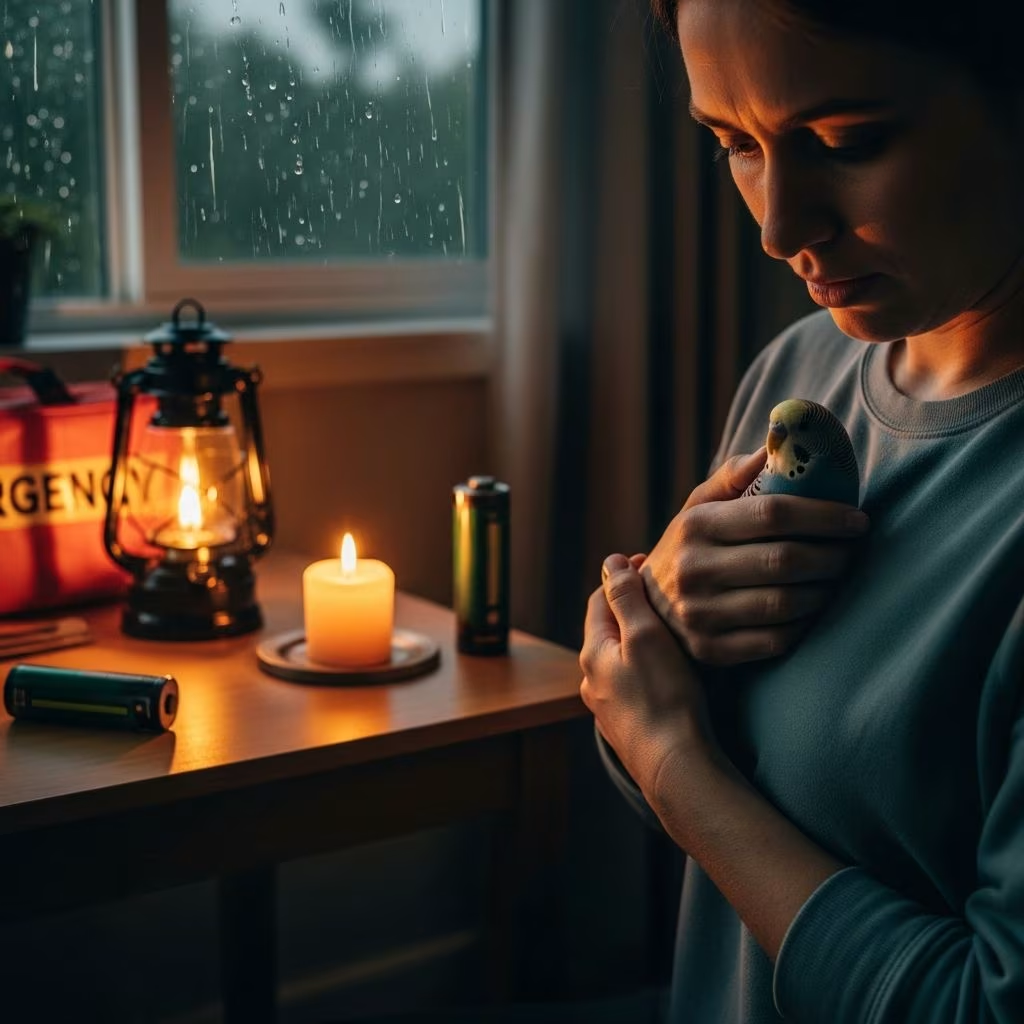
Power outages can strike unexpectedly due to storms, grid failures, or other disruptions, posing serious risks to pet birds that rely on stable environments for warmth, light, and fresh air. These delicate creatures are highly sensitive to temperature changes, smoke, and stress, making proactive preparation crucial. This guide outlines comprehensive strategies to maintain your bird’s safety, from immediate response actions to long-term readiness, ensuring they remain healthy throughout the crisis.
Understanding Risks to Pet Birds Without Power
Birds, especially parrots and small species, have high metabolic rates and poor tolerance for cold. A sudden drop in room temperature can lead to hypothermia, indicated by symptoms like shivering, fluffed feathers, drooping wings, or open-mouth breathing. Smoke from alternative heat sources irritates their sensitive respiratory systems, while darkness increases escape risks or accidental injuries. Prolonged outages amplify dehydration and stress, potentially leading to fatal outcomes if not addressed promptly.
Preparation begins with recognizing these vulnerabilities. Stock essential supplies in advance: extra bedding, non-toxic candles, battery-powered lights, and a thermometer to monitor ambient conditions. Identify safe zones in your home, such as basements or small rooms, which retain heat better due to insulation from surrounding earth.
Creating a Safe Indoor Environment
Confine activities to one small room to conserve heat efficiently. Seal drafts by rolling towels under doors and windows, close off unused areas, and block air vents to trap warmth. During daylight, open curtains on sun-facing windows (north or south preferred to avoid intense direct heat) to harness passive solar gain; at night, close them and utilize cooler outdoor air if safe.
For your bird’s cage, partially cover it with breathable blankets or sheets on three sides, directing the open side toward a gentle heat source like a sunny window. Smaller cages heat faster and are easier to relocate. Avoid placing them too close to fireplaces due to smoke buildup under covers—use a flashlight to check for haze regularly. Never use paraffin candles; opt for beeswax to minimize fumes harmful to avian lungs.
- Position cages away from drafts, doors, and windows.
- Maintain cross-ventilation in the occupied room without exposing the bird directly.
- Keep birds caged at all times to prevent escapes in dim lighting.
Maintaining Optimal Temperature and Hydration
Ideal bird temperatures range from 70-80°F (21-27°C); below 65°F (18°C), intervene immediately. Use hot water bottles or warm (not hot) towels wrapped around the cage base, refreshed periodically. Warm drinking water and moist foods like cooked grains or pasta provide internal hydration and calories without needing power.
In extreme cold, a car heater offers temporary refuge—run the vehicle in a well-ventilated garage or outdoors, bringing the covered cage inside periodically. Power inverters connected to car batteries can run microwaves for heating pads or water, but verify wattage compatibility first. Avoid generators indoors due to carbon monoxide risks.
| Heat Source | Pros | Cons | Bird Safety Tips |
|---|---|---|---|
| Hot Water Bottles | Simple, no electricity needed | Requires frequent reheating | Wrap in cloth; place under cage tray |
| Power Inverter + Heating Pad | Runs on car battery | Drains battery quickly | Monitor temperature; ventilate car |
| Fireplace (Distant) | Effective room heating | Smoke hazard | Keep bird in separate room; check flue |
| Sunny Window | Free, passive | Variable intensity | Avoid direct midday sun |
Monitoring Health and Stress Indicators
Observe your bird closely for early warning signs: lethargy, huddled posture, tail bobbing, or reduced appetite signal distress. If wings droop slackly or breathing labors, mist with lukewarm water to stabilize—cold water risks shock. Provide comforting routines like soft talking or familiar toys to mitigate stress.
Hygiene matters: spot-clean droppings to prevent chill from dampness, and towel-dry if exposed to moisture. In multi-bird households, separate aggressive individuals to reduce tension.
Nutrition Strategies Without Appliances
Store non-perishables like seeds, pellets, nuts, and dried fruits in airtight containers. Warm wet foods enhance palatability and digestion in cold conditions, but skip heating dry kibble. Offer electrolyte solutions if available to combat dehydration. Ration high-energy treats to sustain metabolism without spoilage risks.
- Prioritize calorie-dense foods: nuts, seeds, cooked veggies.
- Avoid fresh produce that spoils quickly.
- Encourage eating by hand-feeding warmed portions.
Lighting and Visibility Solutions
Dimness heightens accident risks. Use headlamps, crank lanterns, or beeswax candles placed securely away from cages. A battery radio with weather updates keeps you informed on outage duration. Maintain a 12-hour light-dark cycle approximation using natural light to preserve sleep patterns.
Evacuation and Relocation Planning
If home conditions deteriorate, relocate promptly. Friends with power or pet-friendly hotels are ideal; provide vet contacts and care sheets. Boarding facilities require advance vaccination checks. Vehicles serve as mobile safe havens—insulate the cage and run heat sparingly.
Prepare a bird emergency kit: travel carrier, 72-hour food/water supply, medications, towels, and ID tags. Practice loading to minimize stress.
Long-Term Preparedness Checklist
Build resilience with these habits:
- Install a whole-house generator for frequent outage areas (operate outdoors only).
- Keep a corded phone and car charger for communication.
- Stock crank devices for light, power, and news.
- Know local pet shelters and power company hotlines.
- Test garage door manual release annually.
Frequently Asked Questions
Can I use a space heater for my bird during an outage?
No, space heaters emit fumes toxic to birds’ respiratory systems. Opt for indirect methods like blankets and passive heat.
What if my bird shows hypothermia signs?
Warm gradually with lukewarm misting and heated water bottles; seek vet care if symptoms persist.
Is a basement safe for birds?
Yes, often the warmest spot due to ground insulation, but ensure dryness and ventilation.
How long can birds safely endure without heat?
Depends on species and ambient temperature; intervene below 65°F and monitor closely.
Should I let my bird out of the cage?
No, darkness increases escape and injury risks; keep contained.
Advanced Tips for Parrot Owners
Larger parrots generate more body heat but stress easily. Use travel cages for mobility. In hot outages (less common), prioritize cooling via misters and shaded spots. Community networks for boarding swaps build mutual support.
Outages test resourcefulness, often revealing effective low-tech solutions. Post-event, review what worked to refine plans. Your vigilance ensures birds emerge unscathed, strengthening your bond.
References
- When The Power Goes Out…And You Have A Parrot! — BirdTricks. Accessed 2026. https://birdtricksstore.com/blogs/birdtricks-blog/when-the-power-goes-out-and-you-have-a-parrot
- Keeping pets safe during a power outage — Lollypop Farm, Humane Society of Greater Rochester. Accessed 2026. https://www.lollypop.org/about-us/press-room/press-release-keeping-pets-safe-power-outage/
- EMERGENCY INFORMATION FOR YOU AND YOUR PARROTS — CFA Bird Club. Accessed 2026. https://www.cafabirdclub.org/safetycorner/Safety_Corner_Emergency_Information_for_You_and_Your_Parrots.pdf
- Helpful Ways to Get Your Pets Through a Power Outage — Generac. Accessed 2026. https://www.generac.com/resources/emergency-preparedness/helpful-ways-to-help-your-pets-get-through-a-power-outage/



