

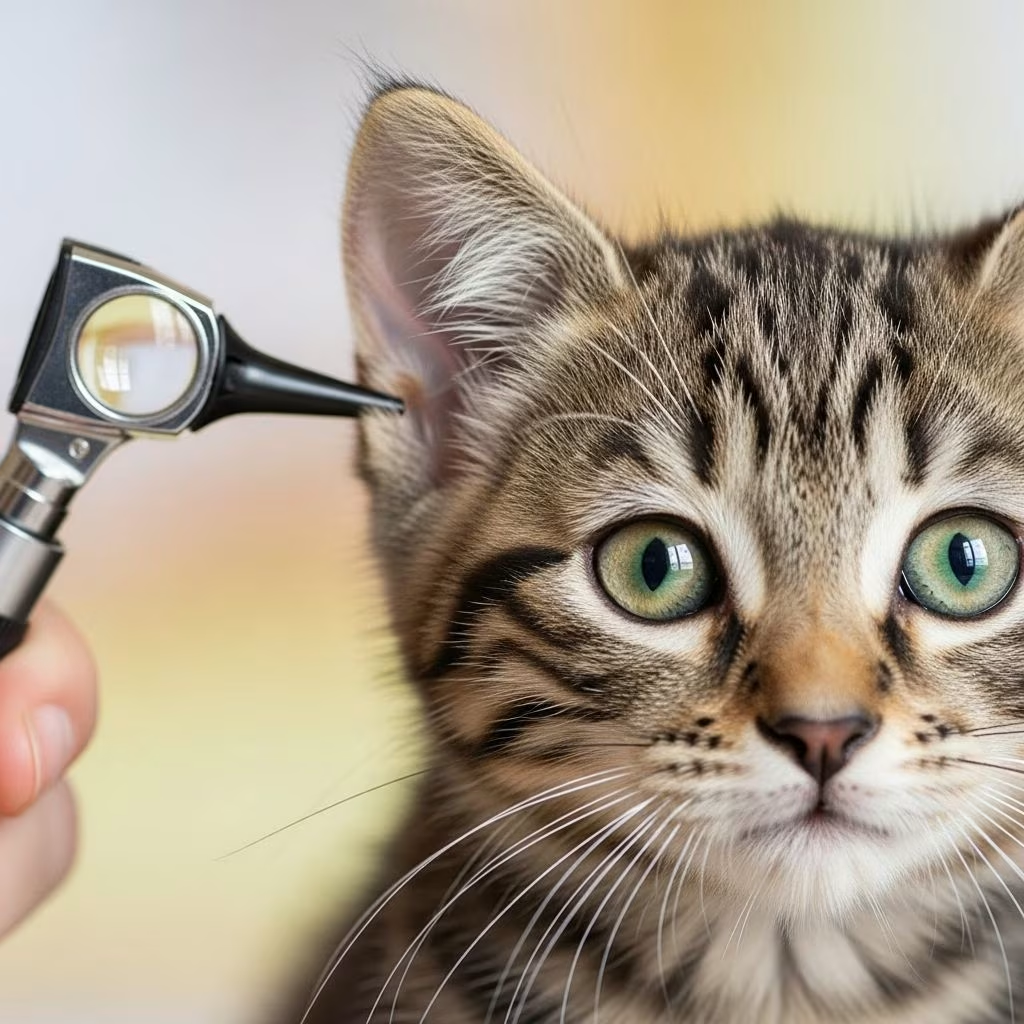
Ear mites represent one of the most common parasitic concerns affecting young felines, causing significant discomfort and potential complications if left untreated. These microscopic external parasites establish themselves within the ear canal and surrounding skin, triggering an inflammatory response that manifests through excessive scratching, head shaking, and visible discharge. Understanding the mechanisms of ear mite transmission, recognizing clinical indicators, and implementing preventive measures forms the foundation of responsible kitten care. This comprehensive guide explores evidence-based strategies for safeguarding your young cat from this persistent parasitic threat.
Understanding the Ear Mite Life Cycle and Transmission Pathways
Ear mites demonstrate a rapid reproductive cycle spanning approximately 21 days from egg to adult maturity. This accelerated lifecycle means infestations can escalate quickly within a household containing multiple pets. The parasites thrive in warm, moist environments such as the ear canal, where they feed on skin debris and ear secretions. Their high transmissibility rate necessitates understanding how these organisms spread between animals.
Transmission occurs through direct contact between infested and non-infested animals, making kittens particularly vulnerable when housed with older cats or exposed to contaminated environments. Mother cats can transmit mites to nursing kittens, establishing infection during critical developmental periods. The parasites can also survive briefly on contaminated bedding, toys, and grooming implements, creating indirect transmission pathways. Young kittens possess developing immune systems that struggle to combat parasitic invasions effectively, making them especially susceptible to severe infestations.
Identifying Clinical Manifestations in Affected Kittens
Early recognition of ear mite symptoms enables prompt intervention before complications develop. Observant cat owners should monitor for the following indicators:
- Excessive scratching, head shaking, and pawing at the ears
- Dark, waxy discharge within the ear canal with a characteristic appearance
- Visible inflammation and redness of the ear flap and canal
- Secondary skin irritation extending beyond the ear region
- Behavioral changes including restlessness and agitation
- Odor emanating from the affected ears
In severe cases, untreated infestations can precipitate bacterial or yeast infections as secondary complications, requiring additional antimicrobial interventions. Some kittens develop systemic reactions including fever and lethargy when parasitic loads become particularly heavy.
Establishing a Year-Round Prevention Framework
Comprehensive ear mite prevention transcends seasonal considerations, requiring consistent application of protective measures throughout the entire calendar year. Unlike some parasites that demonstrate seasonality, ear mites maintain activity during all climatic conditions, particularly in indoor household environments.
Monthly Topical Preventative Medications
Topical flea, tick, and heartworm preventatives serve dual purposes in kitten health management, providing protection against multiple parasitic threats simultaneously. These medications are applied between the kitten’s shoulder blades, where they distribute across the skin and provide systemic protection. Products from established manufacturers offer proven efficacy against ear mites following a single application, with protection extending throughout a 30-day interval. Consistency in monthly application represents a critical component of prevention strategy, as lapsed treatment windows create vulnerability to infestation.
Regular Ear Cleaning Protocols
Establishing a structured ear-cleaning routine removes accumulated wax, debris, and potential mite populations before establishment occurs. Weekly cleaning sessions using appropriate cleansing solutions help prevent the buildup that creates favorable conditions for parasitic colonization. Professional ear cleaning solutions maintain the appropriate pH balance and antimicrobial properties necessary for safe, effective cleaning.
Proper technique during at-home ear cleaning prevents damage to delicate structures within the ear canal. Using clean cotton balls slightly dampened with approved cleaning solutions, owners should gently cleanse the external ear flap and readily accessible portions of the canal. Massaging the base of the ear for 20-30 seconds after application allows the cleaning solution to penetrate and loosen debris before removal with fresh cotton material. Forcing liquid directly into the canal or inserting implements too deeply risks traumatizing the sensitive structures within, so gentle technique remains essential.
Environmental Management and Household Protocols
Ear mites can persist briefly on environmental surfaces, making household cleanliness an important preventive element. Establishing regular cleaning schedules for kitten bedding, toys, and living areas reduces the opportunity for parasites to establish environmental reservoirs.
- Launder kitten bedding and blankets twice weekly in hot water to eliminate mites and eggs
- Vacuum sleeping areas and play spaces regularly to remove shed mites and debris
- Clean food and water bowls daily to prevent cross-contamination between household pets
- Disinfect grooming implements between animals to prevent indirect transmission
- Isolate infected kittens from unaffected animals until treatment eliminates the infestation
Veterinary Checkup Integration Into Preventive Care
Scheduled veterinary examinations provide professional assessment capabilities that exceed home observation abilities. Veterinarians possess specialized otoscopic equipment enabling direct visualization of ear canal structures and identification of parasites before clinical signs become severe. Monthly or biweekly checkup appointments during critical developmental periods allow for early intervention when incipient infestations are detected.
These professional evaluations also facilitate early identification of secondary infections that frequently accompany ear mite infestations. Bacterial colonization often develops as kittens scratch and damage ear tissue, creating portals for infection. Veterinary assessment enables differentiation between primary parasitic infection and complicated cases requiring additional treatment components.
Indoor Housing Considerations
Maintaining kittens exclusively indoors provides substantial protection against exposure to external parasitic sources that outdoor environments present. While indoor housing does not guarantee complete protection—household adults or other pets may introduce mites—it significantly reduces infection risk compared to animals with outdoor access. Kittens living entirely indoors face lower overall parasite burdens from all infectious sources.
Multi-Pet Household Management Strategies
Households containing multiple cats or mixed-species pet populations require coordinated prevention and treatment approaches. Because ear mites transmit readily between animals, all household pets capable of infestation require simultaneous preventive treatment regardless of whether clinical signs appear. Untreated, asymptomatic pets in the same household represent ongoing reinfection sources that perpetuate infestation cycles.
When one household animal develops ear mites, veterinarians recommend treating all susceptible pets in the home concurrently using identical protocols. This coordinated approach prevents the common situation where treatment of one animal provides temporary relief before reinfection occurs from untreated household companions. Pets displaying no clinical signs may harbor subclinical infestations—parasitic populations not yet causing noticeable symptoms—that will progress without intervention.
Understanding Treatment Options When Prevention Fails
Despite diligent prevention efforts, some kittens occasionally develop ear mite infestations. Recognizing available treatment pathways enables rapid intervention when infections occur.
Antiparasitic Medication Approaches
Veterinarians prescribe antiparasitic medications in topical or oral formulations depending on individual kitten circumstances. Topical drops applied directly into the ear canal deliver medication to affected sites with high local concentrations. Oral medications provide systemic parasitic control affecting mites throughout the body. Both delivery methods demonstrate efficacy; veterinarian recommendations consider factors including kitten age, weight, concurrent health conditions, and tolerance for application techniques.
Professional Ear Cleaning as Treatment Component
Veterinary ear cleaning removes accumulated discharge, debris, and parasitic populations, providing immediate symptomatic relief. Special cleaning solutions with antimicrobial and ceruminolytic (wax-dissolving) properties facilitate thorough cleaning that exceeds home cleaning capabilities. This professional component of treatment often precedes medication administration to maximize therapeutic efficacy.
Secondary Infection Management
When bacterial or yeast infections develop secondary to parasitic damage, veterinarians prescribe appropriate antimicrobial ointments or systemic antibiotics. In cases involving significant ear inflammation, topical or oral corticosteroids such as prednisolone reduce swelling and discomfort while other treatments address underlying parasitic infection.
Avoiding Ineffective Home Remedies
Despite widespread promotion of home-based ear mite treatments, veterinary literature consistently discourages self-directed therapy approaches. Many home remedies fail to eliminate mite eggs, resulting in incomplete treatment that allows reinfestation as eggs mature. This creates cycles where temporary symptom improvement gives false impression of successful treatment before parasitic populations resurge.
Additionally, inappropriate substances placed in kitten ears risk causing tissue damage, infection, or systemic toxicity. Professional veterinary guidance ensures appropriate, safe treatment that addresses both adult parasites and developmental stages, preventing recurrent infections.
Practical Implementation Timeline for Prevention
| Prevention Element | Frequency | Primary Purpose |
|---|---|---|
| Monthly preventative medication application | Every 30 days, year-round | Systemic parasitic protection |
| Ear cleaning procedures | Weekly | Debris removal and early detection |
| Bedding and toy laundering | Twice weekly | Environmental parasitic control |
| Veterinary ear inspection | Monthly to biweekly | Professional assessment and early intervention |
| Household cleaning and disinfection | Weekly minimum | Environmental sanitation |
Frequently Asked Questions About Kitten Ear Mite Prevention
At what age should kitten owners begin ear mite prevention?
Prevention measures should commence when kittens transition to independent feeding, typically around 6-8 weeks of age. Early preventative medication application establishes protection before kittens encounter household environments with potential parasitic exposure. Very young kittens nursing from mothers with uncontrolled mite populations should receive veterinary evaluation and treatment even earlier if indicated.
Can indoor kittens acquire ear mites?
Yes, exclusively indoor kittens can develop ear mites through multiple transmission pathways. Household adult cats, dogs, ferrets, or contaminated items brought into the home can introduce parasites. Additionally, mother cats with active infestations transmit mites to nursing kittens. Indoor housing reduces but does not eliminate infection risk.
How quickly do preventative medications begin working?
Topical preventative medications typically demonstrate efficacy within hours of application, with systemic distribution occurring within 24 hours. However, maintaining consistent monthly application provides continuous protection; missing doses creates treatment gaps where infestation can occur.
Do natural or organic prevention products work against ear mites?
While some natural products demonstrate in vitro activity against parasites, most lack the consistent efficacy and safety data supporting pharmaceutical preventatives. Relying exclusively on natural products leaves kittens vulnerable to infestation. Consultation with veterinarians ensures evidence-based prevention approaches.
What distinguishes ear mite prevention from flea and tick prevention?
Many modern preventative medications provide protection against multiple parasites simultaneously, including fleas, ticks, heartworms, and ear mites. This consolidated approach simplifies administration while providing comprehensive parasitic protection. Veterinarians can recommend products addressing specific parasitic threats prevalent in individual geographic regions.
Conclusion: Building Lifelong Ear Health Through Proactive Prevention
Protecting kittens from ear mite infestations requires consistent application of evidence-based prevention strategies integrated into comprehensive health management practices. Monthly preventative medication administration, regular professional ear examinations, and diligent environmental cleanliness combine to create a protective framework that minimizes infection risk throughout the kitten’s development and into adulthood. By prioritizing ear health during these critical early years, owners establish patterns that support long-term feline wellness while avoiding the complications and expenses associated with parasitic infestations. Partnering with veterinary professionals ensures prevention strategies remain current, appropriate for individual kittens, and optimized for household circumstances.
References
- Ear Mites in Cats — PetMD. Accessed February 2026. https://www.petmd.com/cat/conditions/infectious-parasitic/ear-mites-cats
- Ear Mites in Cats: Causes, Treatment & Prevention — Ferguson Animal Hospital. May 15, 2024. https://www.fergusonanimalhospital.com/site/blog/2024/05/15/ear-mites-cats
- Ear Mites in Cats: Causes, Treatment & Prevention — River Hills Pet Care Hospital. September 15, 2023. https://www.rhpch.com/site/blog/2023/09/15/ear-mites-in-cats-causes-treatment–prevention
- Ear Mites in Cats: Causes, Treatment & Prevention — PetDoctorX. January 15, 2023. https://www.petdoctorx.com/site/blog/2023/01/15/ear-mites-in-cats-causes-treatment–prevention
- Ear Mites: Uncovering, Treating, and Preventing Infestations — Today’s Veterinary Practice. https://todaysveterinarypractice.com/parasitology/ear-mites-uncovering-treating-and-preventing-infestations/



