

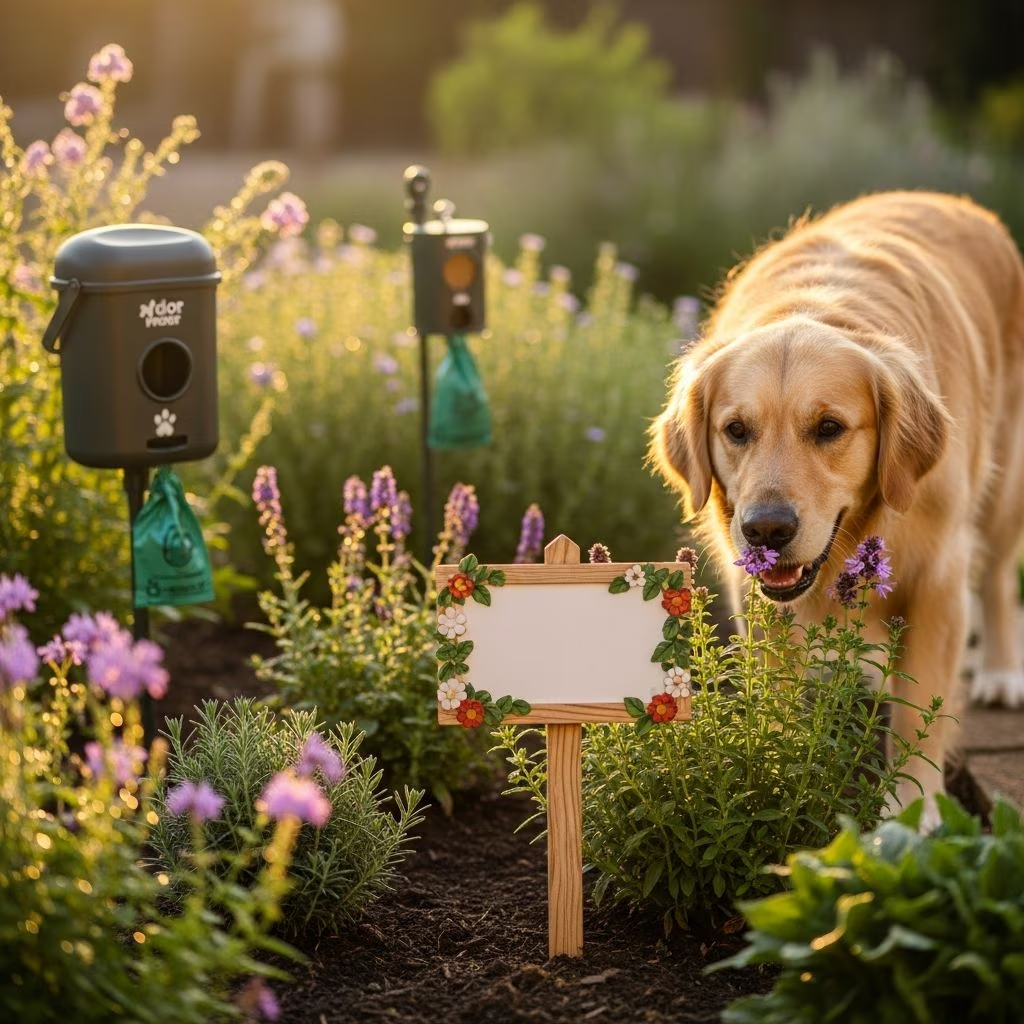
Having a dog can bring immense joy to your home, but sharing your garden space with a canine companion comes with challenges. One of the most frustrating issues pet owners face is managing inappropriate bathroom habits in landscaped areas. Whether it’s your own dog or a neighbor’s pet, unwanted waste in your garden can damage plants, create hygiene concerns, and diminish your enjoyment of outdoor spaces. The good news is that multiple effective strategies exist to address this problem while maintaining harmony between your pets and your garden.
Understanding Why Dogs Choose Gardens as Bathrooms
Before implementing solutions, it helps to understand the root causes of this behavior. Dogs naturally seek specific surfaces and scents for elimination. Gardens often appeal to dogs because they offer soft soil, grassy areas, and previously marked spots that signal other animals have used the space. Additionally, if a dog has eliminated in your garden before, the lingering scent encourages repeat visits to the same location. This instinctive behavior, combined with opportunity and habit, makes gardens an attractive bathroom destination for many dogs.
Physical Barriers: Creating Boundary Lines
One of the most straightforward approaches involves preventing access to your garden altogether. Installing a fence around your garden area creates a clear physical boundary that deters both your dog and neighborhood pets from entering. Fencing options range from affordable to premium, with many DIY solutions available if you prefer to reduce costs.
If a permanent fence isn’t feasible, several temporary alternatives can achieve similar results:
- Portable exercise pen fencing that can be repositioned seasonally
- Garden edging materials that define garden boundaries visually
- Rope barriers that mark off sensitive plant areas
- Plant pots arranged strategically to create visual deterrents
These visual barriers help dogs distinguish between appropriate and inappropriate elimination zones. Many dogs respond to clear spatial designations, making even temporary fencing surprisingly effective during peak gardening seasons.
Natural Scent-Based Deterrents
Dogs rely heavily on their sense of smell when selecting bathroom locations. By introducing unpleasant odors, you can discourage this behavior without causing harm. Several household items serve as effective natural repellents.
Vinegar Solutions
Vinegar produces a pungent smell that overwhelms most dogs’ sensitive olfactory systems. Apple cider vinegar diluted with water can be applied around garden perimeters without damaging plants. The strong acidic scent signals to dogs that the area is undesirable for elimination. Regular reapplication, particularly after rainfall, maintains effectiveness throughout the season.
Citrus-Based Repellents
Dogs instinctively avoid citrus due to its strong, bitter taste and smell. Scattering citrus peels around your garden perimeter provides an economical deterrent. For enhanced potency, citrus essential oils can be applied, though care must be taken to select dog-safe formulations, as some commercial oils contain toxic compounds.
Pepper and Spice Applications
Various pepper types—including black pepper, cayenne pepper, and chili pepper—create airborne irritants that dogs find highly unpleasant. Sprinkling these around garden boundaries causes mild respiratory discomfort without lasting harm, effectively discouraging exploration and elimination activities.
Coffee Grounds Dual Purpose
Used coffee grounds offer a two-fold benefit: they deter dogs through their strong aroma while simultaneously enriching your garden soil with nutrients. Incorporating spent grounds into your soil composition and distributing them around garden edges creates an inhospitable environment for canine bathroom breaks.
Commercial Repellent Products
The pet care market offers numerous commercially formulated deterrent sprays and granules specifically designed to prevent dog elimination in unwanted areas. These products vary in composition but share the common goal of creating unpleasant sensory experiences that discourage return visits.
When selecting commercial options, carefully review product labels to ensure safety for wildlife, other household pets, and children. Some formulations contain ingredients that may pose risks to non-target species or vulnerable populations. Reading comprehensive product information helps you choose solutions aligned with your household’s safety requirements.
Motion-Activated Water Systems
Motion-activated sprinklers represent one of the most effective technological solutions available. These devices detect movement and release unexpected water bursts that startle dogs away from protected areas. Most canines find unexpected water exposure sufficiently aversive to seek drier elimination spots elsewhere.
The advantages of sprinkler systems include:
- Non-harmful deterrence that causes no injury
- Automatic operation requiring minimal ongoing effort
- Dual functionality for watering plants while protecting gardens
- Effectiveness against multiple animal species
- Improved success rates compared to sound-based devices
These systems work particularly well in larger garden areas where movement detection can cover significant ground. The unpredictability of water activation makes the garden feel unsafe for bathroom activities, encouraging dogs to use alternative locations.
Community Communication Strategies
When neighborhood dogs rather than your own pet cause the problem, direct communication becomes essential. Posting clear, polite signage requesting that neighbors keep their dogs out of your garden can prompt behavioral changes. Creative messaging that maintains humor—such as “We have all the fertilizer we need, thanks”—often generates positive responses.
Effective signs should be visible from common dog-walking routes and convey your message without sounding accusatory. Friendly neighborhood relations often prove more valuable than confrontation, particularly when addressing multiple households with pets.
Training Your Own Dog to Use Designated Areas
For your own dog, establishing a designated bathroom zone outside your garden represents a more permanent solution. Creating a non-grass elimination area teaches your dog exactly where elimination is acceptable.
Designing the Designated Bathroom Space
Transform a specific yard area into your dog’s official bathroom by removing grass and installing alternative surfaces. Options include:
- Concrete or cement patio areas
- Mulch-covered zones
- Gravel or sand sections
- Artificial grass designated specifically for this purpose
Clearly mark this space with temporary or permanent fencing to create visual distinction. When dogs understand that specific locations serve bathroom functions while others don’t, behavior naturally aligns with expectations.
The Training Process
Establish a consistent feeding schedule that allows you to predict when your dog needs elimination. Take your dog on-leash directly to the designated bathroom area at predictable times—typically after meals, before bedtime, and upon waking.
Implement a verbal command such as “go poop” consistently while your dog eliminates in the correct location. Repeat the command when elimination begins to strengthen the association. Immediately reward successful elimination with treats and positive attention, creating positive reinforcement that encourages repetition.
Consistency proves critical to training success. Daily repetition over several days typically reduces the time between command issuance and successful elimination. Eventually, you can use this command to ensure bathroom activities occur on non-grass surfaces during neighborhood walks.
Gradual Independence Development
As your dog consistently uses the designated area, gradually increase the freedom and off-leash time available in that space. Continue supervision and gentle redirection if attempts to eliminate elsewhere occur. Maintaining cleanliness in the designated area prevents your dog from avoiding it due to unpleasant conditions.
Alternative Training Approaches
Some dogs transition more successfully using temporary measures. Placing a disposable grass patch or sod section on concrete areas allows dogs to maintain familiar texture while learning location boundaries. Over approximately one month, reward elimination on the grass patch, then gradually reduce the patch size until your dog eliminates reliably on concrete surfaces.
Paw sensitivity presents an occasional challenge with concrete elimination areas. Adding gravel, sand, or grass sections to concrete zones improves comfort while maintaining the designated area’s functionality. This accommodation helps dogs remain motivated to use appropriate bathroom spaces.
Comprehensive Comparison of Methods
| Method | Effectiveness | Cost | Maintenance | Best For |
|---|---|---|---|---|
| Physical Fencing | Very High | Medium-High | Low | Complete garden protection |
| Natural Deterrents | Moderate | Low | High | Supplementary prevention |
| Commercial Repellents | Moderate-High | Low-Medium | Medium | Targeted area protection |
| Motion-Activated Sprinklers | High | Medium | Low | Large garden areas |
| Dog Training/Designated Areas | Very High | Low-Medium | Medium | Your own dog |
| Community Signage | Moderate | Very Low | Low | Neighborhood pets |
Frequently Asked Questions
How long does training typically take?
Most dogs learn designated bathroom area behaviors within 2-4 weeks of consistent training. Duration depends on your dog’s age, previous experience, and training consistency. Puppies and younger dogs often progress faster than older animals with established habits.
Are natural deterrents safe for my plants?
Diluted vinegar solutions don’t harm plants when applied carefully to soil and perimeters rather than directly on foliage. Coffee grounds actually improve soil quality. Citrus peels don’t damage vegetation. Pepper applications affect only surface areas. Always test on small plant sections before widespread application.
What’s the most affordable solution?
Natural deterrents using household items like vinegar and coffee grounds cost virtually nothing if you already have these materials. Citrus peel collection adds zero expense. These options provide cost-effective supplementary protection when combined with other methods.
Can I combine multiple approaches?
Absolutely. Layering methods—such as combining fencing with motion-activated sprinklers and natural deterrents—increases effectiveness significantly. Dogs encountering multiple deterrent types become more reliable about avoiding protected areas.
What if my dog refuses to use the designated area?
Persistence and patience are essential. Some dogs require extended adjustment periods. Ensure the designated area remains clean and welcoming. Increase reward frequency initially. Consult professional dog trainers if resistance persists after several weeks.
Creating a Dog-Friendly Yet Protected Garden
Successfully managing dog waste in garden spaces doesn’t require choosing between protecting plants and accommodating pets. Through thoughtful implementation of physical barriers, sensory deterrents, technological solutions, and strategic training, you can create outdoor spaces where both dogs and gardens thrive.
The most effective approach typically combines multiple strategies tailored to your specific situation. For your own dogs, training provides the most sustainable long-term solution. For neighborhood pets, barriers and deterrents offer practical protection. By addressing this common challenge systematically, you’ll maintain a beautiful garden while enjoying the companionship and outdoor time your dog provides.
References
- How to Train Your Dog to Not Poop on Grass — Wag Walking. Accessed January 2026. https://wagwalking.com/training/not-poop-on-grass
- How Do I Stop Dogs From Fouling in My Garden? 7 Vet-Approved Tips — Dogster. Accessed January 2026. https://www.dogster.com/dog-training/how-to-stop-dogs-from-pooping-in-garden
- 10 Proven Ways to Keep Dogs Out of Your Yard — Sod Solutions. Accessed January 2026. https://sodsolutions.com/advanced-how-to/how-to-keep-dogs-out-of-your-yard/
- Eco Friendly Ways to Stop Your Dog Peeing or Pooping on a Spot — PetHaus Australia. Accessed January 2026. https://pethaus.com.au/blogs/news/how-to-stop-your-dog-pooing-in-certain-areas



