

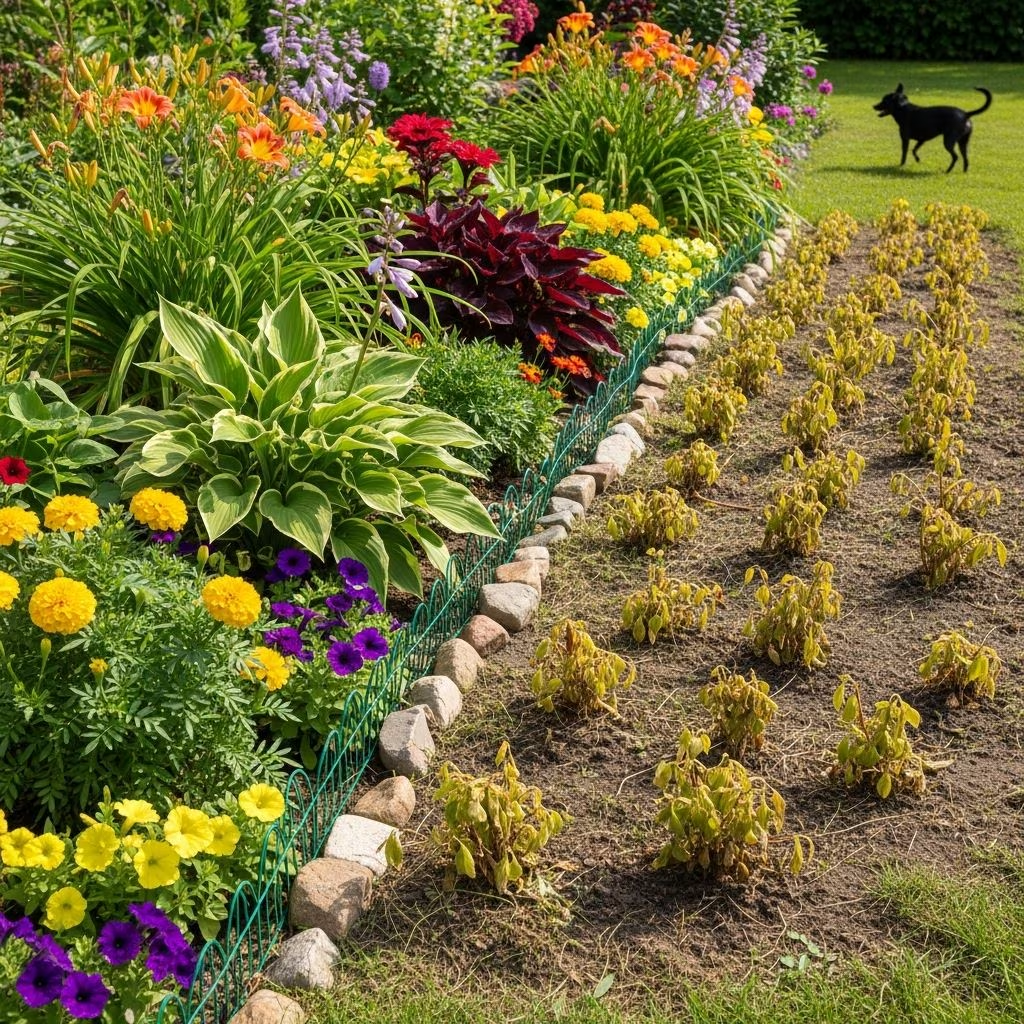
Dog urine frequently leads to unsightly brown patches on lawns and stress on garden plants due to its elevated nitrogen levels, which overwhelm plant roots when concentrated. Homeowners with pets can mitigate this issue through targeted watering, strategic planting, and behavioral adjustments to maintain a vibrant outdoor space.
Understanding the Science Behind Dog Urine’s Impact on Soil and Vegetation
Dog urine contains high concentrations of nitrogen, primarily from urea, a byproduct of protein metabolism. When urea hydrolyzes in soil, it converts to ammonium and then nitrate, forms readily available to plants but toxic in excess. This process elevates soil electrical conductivity, lowers pH, and creates nutrient imbalances that manifest as burned foliage.
Research demonstrates that these effects are acute and localized, particularly around path-adjacent features like trees or posts where dogs prefer to mark territory. Soil nitrate and ammonium levels can rise several-fold within 30 cm of such spots compared to areas 8 meters away, confirming dogs as a key nitrogen source in urban green areas.
Beyond nitrogen, salts including uric acid contribute to osmotic stress, dehydrating plant tissues much like over-fertilization. Frequency matters: repeated applications in one location amplify damage, as soil lacks time for natural dilution or microbial processing.
Recognizing Early Signs of Urine-Induced Plant Distress
Initial symptoms include yellowing leaf edges transitioning to brown, crispy burns, often in circular patterns matching urination spots. Grass blades wilt centrally while surrounding growth persists, creating distinctive lesions. Affected plants may exhibit stunted growth or increased susceptibility to pests.
- Grass lawns: Dead zones 1-2 feet wide, spade-shaped if urine streams outward.
- Shrubs and perennials: Scorched lower leaves, bark lesions on trunks.
- Vegetable gardens: Bolting or fruit drop from root damage.
Distinguish urine damage from drought by its sharp borders and nitrogen-rich soil indicators like rapid weed proliferation in patches.
Plant Varieties Resilient to Pet Urination
Not all greenery reacts equally; selecting tolerant species fortifies your landscape against pet impacts. Salt- and nitrogen-hardy options thrive where others fail.
| Category | Resistant Plants | Key Tolerance Traits |
|---|---|---|
| Lawn Grasses | Tall fescue, Kentucky bluegrass mixes, perennial ryegrass | Deep roots, salt resistance, rapid recovery |
| Ground Covers | White clover, creeping thyme, sedum | Nitrogen fixation, low water needs |
| Shrubs | Boxwood, juniper, fescue varieties | Uric acid tolerance, dense foliage |
| Flowers | Marigolds, black-eyed Susans, fescue grasses | Robust nutrient handling |
Conversely, sensitive types like fine fescue grasses, roses, lilies, and moss succumb quickly. Transition vulnerable beds to mulch or gravel overlays for protection.
Immediate Response Tactics for Fresh Urine Spots
Act swiftly post-urination to minimize harm. Dilution is paramount: within minutes, drench the area with 2-3 gallons of water per spot to disperse nitrogen and salts beyond root zones. Hose attachments with fine mist work best, penetrating soil without runoff.
For established damage, rake out dead matter and top-dress with compost to restore microbial balance. Aerate compacted soils to enhance drainage and recovery.
Long-Term Landscape Modifications for Pet Coexistence
Designate dedicated relief areas away from prized plantings. Pea gravel, mulch beds, or artificial turf zones absorb urine without visible scarring. Train dogs via positive reinforcement to favor these spots, using scents or toys as lures.
Install subtle barriers like edging stones around flower beds to redirect paths. Elevate planters or use hanging baskets for delicate species, placing them beyond jumping reach.
Dietary and Health Factors Influencing Urine Composition
A dog’s diet modulates urine potency. High-protein foods elevate nitrogen output; opt for balanced formulas with vet approval. Supplements like cranberry extracts or urine neutralizers claim to bind compounds, though evidence varies. Hydration boosts dilution—ensure constant fresh water access, especially for concentrated morning voids.
Female dogs, urinating in streams, cause narrower but deeper damage than lift-leg males. Puppies with immature kidneys produce more dilute urine, easing initial yard stress.
Repairing and Revitalizing Affected Lawn Areas
- Assess extent: Test soil pH and nitrogen via kits; amend if above 7.5 or excessive N.
- Remove debris: Scalp dead grass, till lightly.
- Seed resilient varieties: Overseed with fescue-clover mixes in fall for cool-season recovery.
- Fertilize judiciously: Use slow-release, low-nitrogen formulas post-repair.
- Monitor progress: Weekly watering fosters deep roots.
Severe cases warrant sod replacement with urine-resistant turf. Expect full regrowth in 4-6 weeks under optimal care.
Advanced Strategies: Soil Amendments and Microbial Boosts
Incorporate gypsum to counteract salts, binding sodium for leaching. Beneficial bacteria products accelerate urea breakdown, preventing ammonium spikes. Organic mulches retain moisture while buffering pH swings.
Urban dwellers note pathway proximity exacerbates issues; widen walks or add dog paths to distribute load.
Common Misconceptions About Pet Urine and Plants
- Myth: Only females damage lawns. Both genders contribute; males often remark, compounding spots.
- Myth: Commercial products fully eliminate harm. They aid but don’t replace dilution.
- Myth: All damage is permanent. Proactive care restores most areas.
FAQ: Dog-Friendly Gardening Essentials
Can changing my dog’s food prevent lawn burn?
Moderately; lower-protein kibble reduces nitrogen, but combine with training for best results. Consult a veterinarian first.
How quickly does urine damage appear?
Within 24-48 hours on hot days; cooler weather delays but intensifies subsurface harm.
Are there plants that benefit from dog urine?
Heavy feeders like tomatoes may gain from diluted applications, but risks outweigh benefits.
Does dog urine attract insects to my yard?
Rarely; nitrogen boosts microbes more than pests.
What’s the best ground cover for high-traffic dog areas?
Clover or gravel excels, tolerating wear and chemistry shifts.
Building a Thriving, Pet-Proof Paradise
Integrating these methods yields a resilient garden where pets and plants flourish together. Consistent effort—diluting promptly, choosing tough species, and zoning wisely—transforms challenges into harmonious living. Urban studies underscore the need for such adaptations as pet ownership rises, ensuring greenspaces endure.
References
- Dog Urine Has Acute Impacts on Soil Chemistry in Urban Greenspaces — Frontiers in Ecology and Evolution. 2021-01-07. https://www.frontiersin.org/journals/ecology-and-evolution/articles/10.3389/fevo.2020.615979/full
- Urine Scalding on Grass — VCA Animal Hospitals. 2023-05-15. https://vcahospitals.com/know-your-pet/urine-scalding-on-grass
- Dog Urine Damage on Lawns: Causes, Cures, and Prevention — Colorado State University Extension. 2022-08-12. https://extension.colostate.edu/resource/dog-urine-damage-on-lawns-causes-cures-and-prevention/
- Why Is Dog Pee Killing Your Grass — And How to Stop It — American Kennel Club. 2024-03-20. https://www.akc.org/expert-advice/home-living/dog-pee-killing-grass/
- Testing Plant Resilience — Madison Square Park Conservancy. 2022-07-15. https://madisonsquarepark.org/community/news/2022/07/testing-plant-resilience/



