

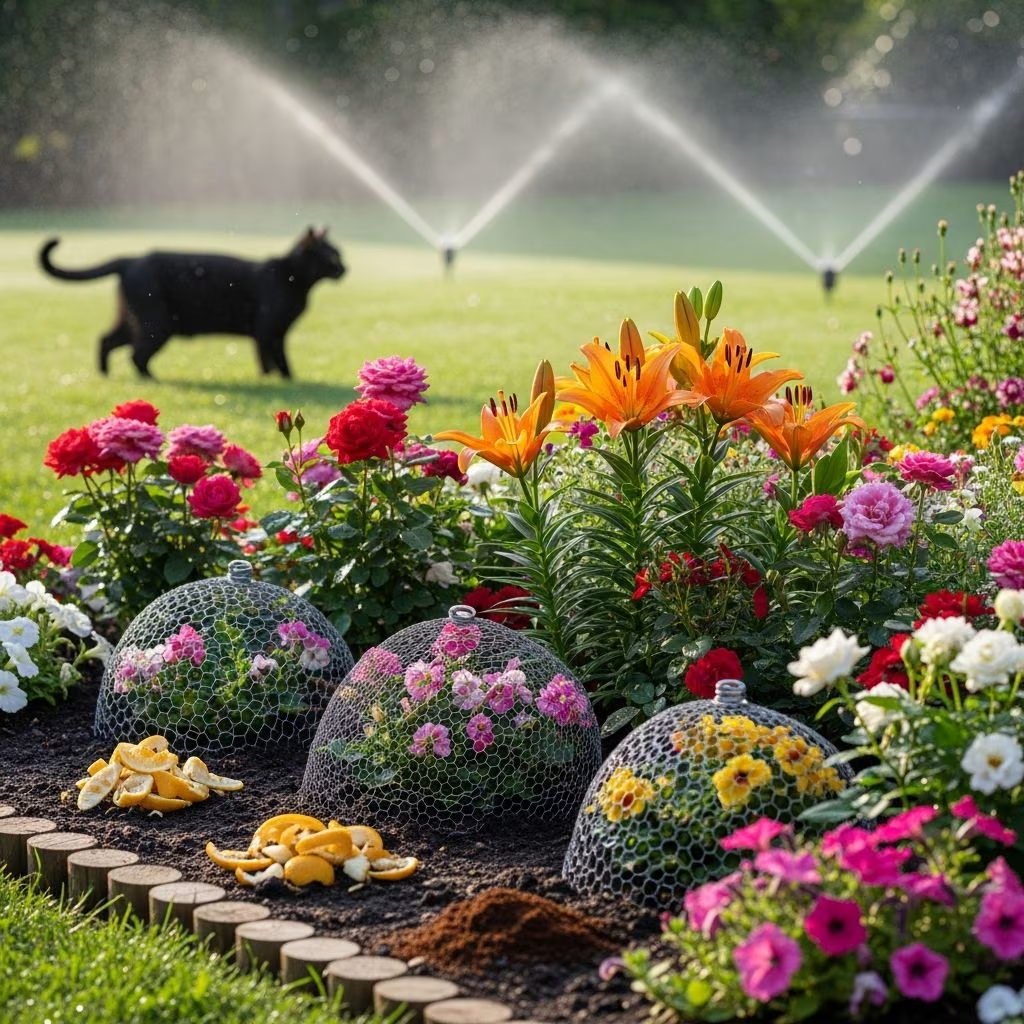
Cats often view garden flower beds as ideal spots for digging and using as litter areas due to their soft, loose soil. Homeowners can employ a range of humane, non-toxic methods to discourage this behavior, combining plant choices, physical obstacles, and scent-based repellents for optimal results.
Understanding Why Cats Target Flower Beds
Cats seek out flower beds primarily because the freshly turned soil mimics the texture of a litter box, providing a comfortable spot for elimination. Neighborhood strays or even household pets may gravitate toward these areas, especially if the soil remains dry and undisturbed. Factors like lack of alternative spaces exacerbate the issue, turning pristine gardens into unwanted feline toilets. Recognizing this instinct helps in selecting targeted deterrents that address the root cause without harm.
Strategic Planting to Discourage Felines
Incorporating specific plants can naturally repel cats through strong aromas or physical discomfort. These greenery choices not only beautify the garden but also create an unwelcoming environment for cats.
- Lavender and Rosemary: These herbs emit potent fragrances that overwhelm a cat’s sensitive nose, deterring them from lingering. Plant them densely around bed edges for a fragrant barrier.
- Coleus Canina (Scaredy Cat Plant): Known for its foul odor when brushed against, this plant is specifically bred to ward off cats. Position it near vulnerable spots.
- Lemon Thyme and Citronella: Citrus-like scents from these plants make areas unappealing. They thrive in sunny beds and double as insect repellents.
- Thorny Varieties: Roses, holly, or pyracantha add prickly layers that cats avoid stepping on.
Dense planting overall reduces accessible bare soil, making beds less attractive. Combine these with cat-attracting plants like catnip or catmint in a distant garden corner to redirect feline interest.
Physical Barriers for Immediate Protection
Simple structures can block access without excluding cats from the entire yard. These methods prove effective for small, high-risk areas like new seedbeds.
| Method | Pros | Cons | Best Use |
|---|---|---|---|
| Chicken Wire or Netting | Durable, inexpensive; prevents digging | May need securing; temporary look | Seedlings, small beds |
| Thorny Branches | Natural, free from prunings | Requires maintenance; sharp for gardeners | Soil surface cover |
| Mulch Layers | Aesthetic, retains moisture | Cats may paw through; needs topping up | Established beds |
Lay chicken wire flat under mulch for invisibility, or use netting over fresh plantings until established. Prickly hedges like blackberry form long-term walls.
Natural Scent Repellents You Can Make at Home
Cats rely heavily on smell, so household items with strong odors serve as powerful, eco-friendly deterrents. Refresh after rain for sustained effect.
- Citrus Peels: Scatter orange, lemon, or grapefruit rinds around plants. The zesty scent repels without residue.
- Vinegar Solution: Mix equal parts water and white vinegar; spray borders weekly. Avoid direct plant contact to prevent leaf burn.
- Coffee Grounds: Sprinkle used grounds sparingly—cats dislike the aroma, but use caution as ingestion can be toxic.
- Essential Oils: Dilute eucalyptus, lemongrass, or peppermint in water for sprays. Apply to pot rims or stakes.
- Pepper Dust: Ground black pepper or commercial versions irritate feline noses harmlessly.
Experiment with combinations, such as citrus peels topped with lavender stems, for layered defense.
Creating Alternative Spaces for Cats
Providing dedicated zones satisfies cats’ natural urges, diverting them from flower beds. This approach works well for resident or visiting cats.
- Sandbox Litter: Fill a shallow box with fine sand or soil in a secluded spot; clean daily to encourage use.
- Catnip Patches: Grow Nepeta varieties away from prized plants to draw cats there instead.
Keep these areas tidy to maintain appeal, turning potential pests into garden allies.
Advanced Techniques and Commercial Options
For persistent issues, integrate tech or store-bought aids with natural methods.
- Motion Sprinklers: Water bursts startle cats upon approach, training avoidance without contact.
- Repellent Sprays: Products with methyl nonyl ketone or aluminum ammonium sulfate offer temporary, rain-resistant protection—apply judiciously to spare wildlife.
Consistency across methods yields best results; monitor and adjust based on cat response.
Common Mistakes to Avoid
Gardeners often err by using single tactics or toxic substances. Rotate repellents to prevent habituation, and never resort to poisons, which harm pets and wildlife. Overwatering solely for deterrence risks plant rot—balance with proper drainage.
Frequently Asked Questions (FAQs)
Are these methods safe for my own cat?
Yes, all recommended approaches are non-toxic and humane, focusing on discomfort rather than injury.
How long until cats stop visiting?
Patience is key—most see results in 1-2 weeks with consistent application.
Can I use these in vegetable gardens?
Stick to edible-safe options like citrus or herbs; test vinegar sprays on a small area first.
What if neighborhood cats ignore deterrents?
Combine multiple strategies and consider community talks or local animal services for strays.
Do cat-repellent plants work year-round?
Perennials like lavender provide ongoing scent; annuals may need replanting.
Long-Term Garden Design for Cat Resistance
Design gardens with deterrence in mind: elevate beds, use gravel mulches, and integrate repellents into landscapes. Raised planters with wire bases offer ultimate protection. Over time, a multi-layered strategy fosters a cat-free haven while enhancing biodiversity.
(Word count: 1687)
References
- How to deter cats from digging in your garden — Talking of Plants. 2023. https://talkingofplants.com/blogs/glasshouse-and-garden-pest-control/how-to-deter-cats-from-digging-in-your-garden
- Keeping Cats Out of Your Gardens and Flower Beds — Red Fox Primitives. 2024. https://redfoxprimitives.com/blogs/news/keeping-cats-out-of-your-gardens-and-flower-beds-effective-deterrents
- How to Stop Neighbourhood Cats Using Your Flowerbed — YouTube (Love The Garden). 2022-10-15. https://www.youtube.com/watch?v=usomDDLGYDs
- 14 Plants To Deter Cats — Garden Benches Blog. 2024. https://www.gardenbenches.com/blog/plants-to-deter-cats/
- Keeping Cats Out of Gardens — Multnomah County Animal Services (.gov). 2023. https://www.multcopets.org/keeping-cats-out-gardens



