

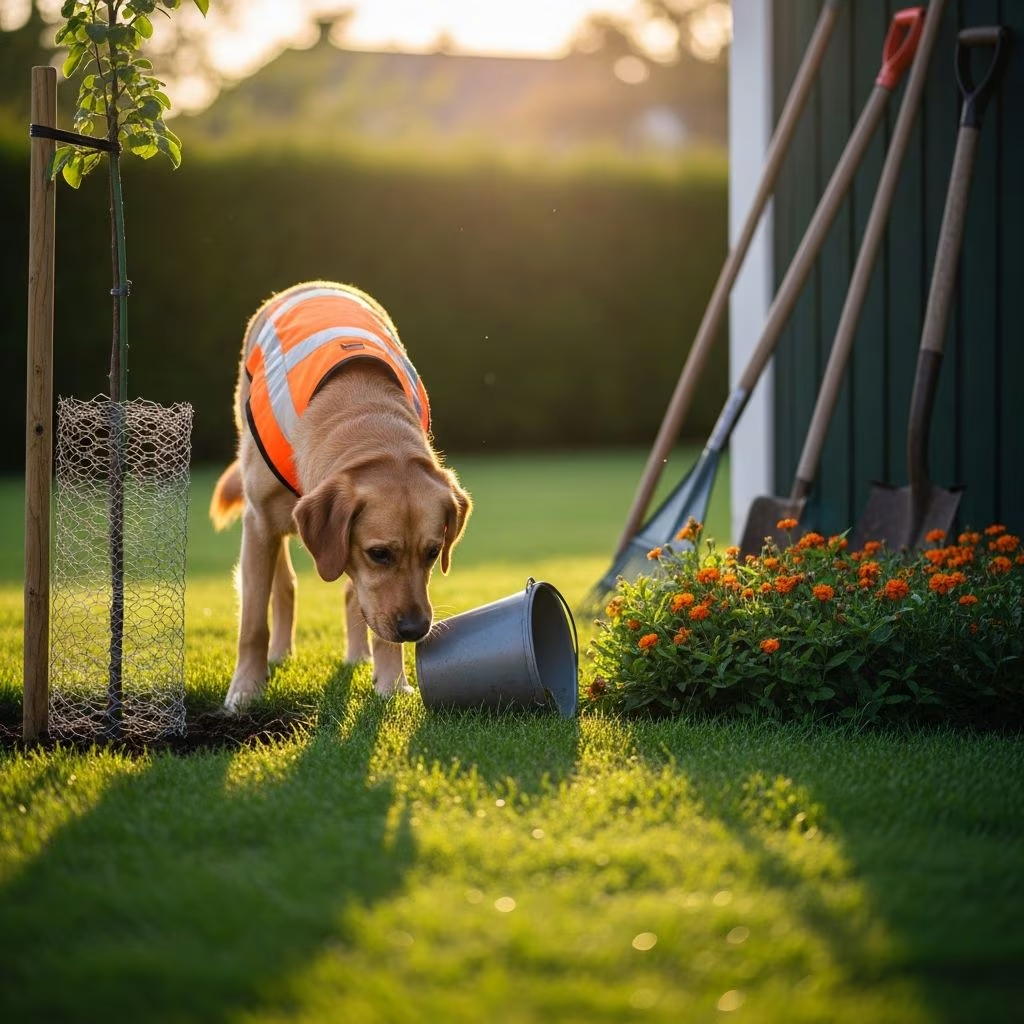
Your backyard should be a haven for play and relaxation for your dog, but it can hide numerous risks that lead to injury or illness. Common threats include poisonous vegetation, sharp debris, disease-carrying insects, and unwelcome wildlife. By conducting regular inspections and making simple modifications, you can transform your yard into a secure environment. This guide outlines key dangers and practical prevention methods, drawing from veterinary insights to keep your pet healthy.
Establishing Secure Boundaries
A sturdy fence is the foundation of yard safety, yet many overlook subtle weaknesses that allow escapes or intrusions. Ground shifts from weather, digging habits, or wear can create gaps under fences, enabling dogs to wander into traffic or encounter strays. Inspect the perimeter weekly, focusing on the base where soil erosion occurs. Bury mesh wiring or concrete footings about 12 inches deep to deter digging. For elevated structures like decks, check for loose boards that could splinter and harm paws.
- Walk the fence line from both sides to spot hidden breaches.
- Repair rusty latches or broken slats immediately to prevent collapses.
- Install visual barriers like privacy screens to reduce excitement-induced bolting.
Window wells near homes pose another fall risk; cover them with durable grates that permit light entry while blocking access. These steps not only contain your dog but also block predators like coyotes or foxes.
Eliminating Toxic Greenery and Ground Cover
Gardens often feature plants alluring to curious noses but deadly upon ingestion. Many popular ornamentals contain compounds causing gastrointestinal distress, organ failure, or neurological issues. Azaleas and rhododendrons harbor grayanotoxins that trigger vomiting, diarrhea, and cardiac problems. Lilies, tulips, daffodils, and hydrangeas similarly provoke severe reactions, even from small amounts.14
Mushrooms sprouting after rain are unpredictable toxins; their rapid growth makes removal challenging, yet dogs’ acute smell draws them straight to these threats. Opt for dog-safe alternatives like fescue grass or marigolds. If relocation isn’t feasible, erect barriers or supervise playtime.
| Plant Type | Toxicity Symptoms | Prevention Tip |
|---|---|---|
| Lily Family | Kidney failure, vomiting | Remove entirely |
| Azaleas/Rhododendrons | Heart issues, drooling | Plant in inaccessible zones |
| Daffodils/Tulips | Upset stomach, convulsions | Use bulbs sparingly |
| Hydrangeas | Depression, rapid breathing | Fencing around beds |
Mulch merits caution too; cocoa varieties, scented like chocolate, contain theobromine lethal to dogs, mimicking candy poisoning. Switch to pine or cedar options, which repel insects without harm. Poison ivy or sumac oils irritate skin and transfer to owners via fur.
Preventing Injuries from Sharp and Hidden Objects
Backyards accumulate hazards like sticks, tools, and landscaping edges that lacerate paws or mouths. Wooden decks weather into splinter traps, while metal edgings rust to razor sharpness. Children’s toys or garden implements left out invite collisions during chases. Burrs from grasses embed painfully in fur and pads.
- Clear debris daily, storing tools in sheds.
- Apply protective coatings to edging and pound flush with soil.
- Provide chew toys indoors to curb stick obsession.
Conduct paw checks post-play, trimming nails to minimize snags. For thorny shrubs, prune low branches or enclose in fencing.
Combating Pests and Disease Vectors
Mosquitoes breed in stagnant water from birdbaths, buckets, or pools, transmitting heartworm via bites. Ticks lurk in tall grass, carrying Lyme disease, ehrlichiosis, and more. Eliminate standing water by emptying containers and using fountains. Maintain year-round preventives per veterinary guidance.1
Fertilizers, herbicides, and pesticides linger toxically; withhold yard access 48-72 hours post-application or until rain dilutes them. Rinse bowls beforehand and store indoors. Natural repellents like diatomaceous earth offer safer alternatives for some pests.
Managing Wildlife Encounters
Fences falter against agile intruders like raccoons, stray cats, or rodents bearing rabies, parasites, or bacteria. Venomous snakes, toads, or even lizards transmit salmonella if eaten. Small breeds risk predation by hawks or alligators in certain regions.12
- Motion lights and ultrasonic deterrents discourage night visitors.
- Secure trash to avoid attracting scavengers.
- Use pet gates on patios for supervised zones.
Bright collars or vests signal small dogs as non-prey. Avoid tethering, as it hinders evasion.
Routine Maintenance for Lasting Safety
Seasonal shifts amplify risks: spring mushrooms, summer insects, fall leaves hiding sharp items, winter ice slicking surfaces. Mow grass short to expose threats, rake promptly, and salt sparingly—opting for pet-safe de-icers. Annual professional fence audits catch issues early.
Train recall commands for off-leash reliability, and microchip for escapes. Emergency kits with tweezers, antiseptic, and vet contacts prepare for incidents.
Frequently Asked Questions
What if my dog eats a toxic plant?
Induce no vomiting; contact a vet or poison hotline immediately with plant details. Symptoms vary but demand prompt care.4
How often should I check my fence?
Weekly during active seasons, monthly otherwise, after storms.
Are essential oils safe for yard pest control?
Some like citronella repel but concentrate risks toxicity; vet approval advised.
Can I use gravel instead of mulch?
Yes, non-toxic and drainage-friendly, but smooth varieties prevent paw irritation.
What about fire pits or grills?
Cool completely, store covers on; hot coals burn paws or cause ingestion poisoning.
References
- Gardening Safety 101: Your Guide to Keeping Your Pet Safe — ASPCA. 2023-04-12. https://www.aspca.org/news/gardening-safety-101-your-guide-keeping-your-pet-safe
- Plants & Other Outdoor Toxins | Dog Care — Guide Dogs UK. 2024-05-20. https://www.guidedogs.org.uk/getting-support/information-and-advice/dog-care-and-welfare/dog-poisons-outside/
- Outdoor Hazards for Pets — Oregon Veterinary Medical Association. 2023-11-08. https://www.oregonvma.org/care-health/companion-animals/health-safety/outdoor-hazards-for-pets
- Keeping Dogs Safe from Backyard Hazards — NOCO Humane. 2024-06-15. https://www.nocohumane.org/blog/keeping-dogs-safe-from-backyard-hazards/
- Outdoor Pet Safety: Essential Yard Tips — Hale Pet Door. 2023-09-22. https://www.halepetdoor.com/blog/yard-safety-pet-health-wellness-tips/



