

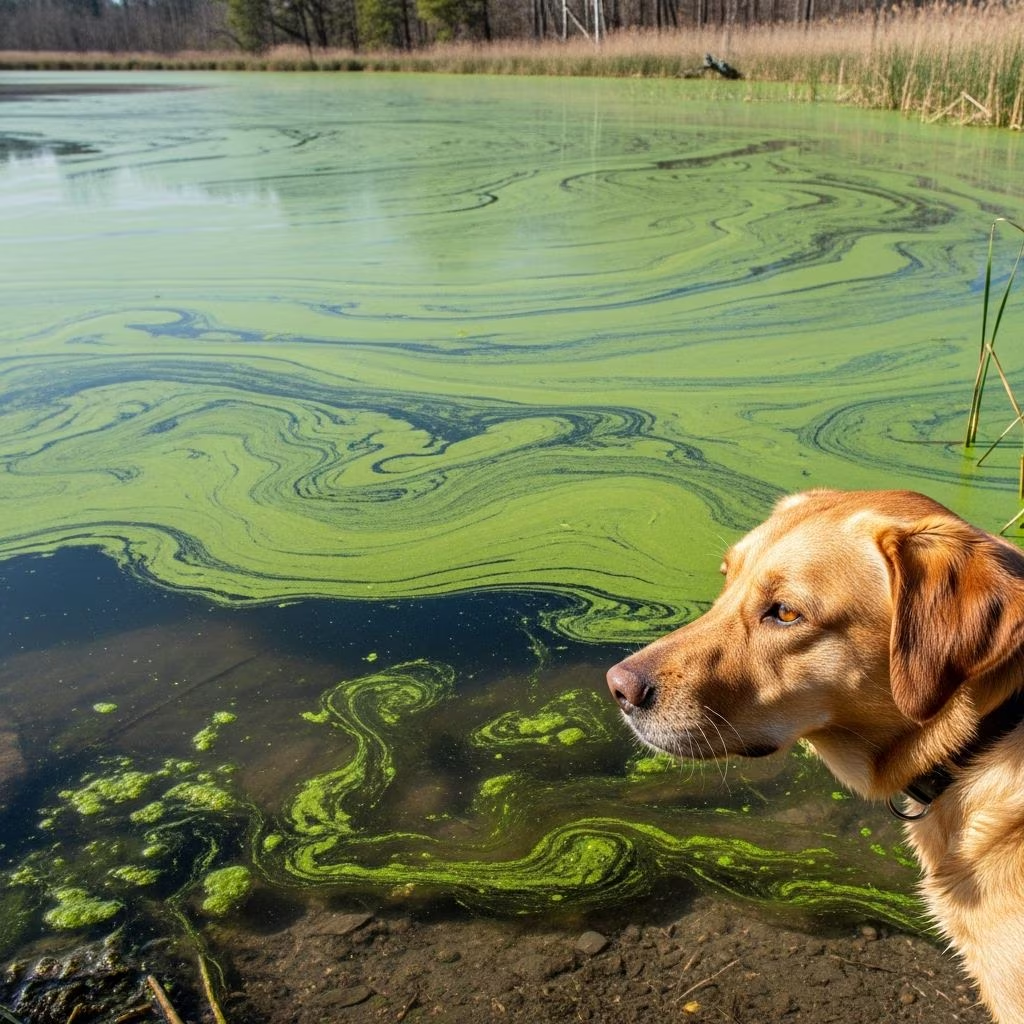
Harmful algal blooms (HABs), often called blue-green algae, pose a severe threat to dogs through potent cyanotoxins that can cause rapid liver failure or neurological damage. These blooms thrive in warm, nutrient-rich waters, making summer a high-risk season for pets near lakes, ponds, and slow-moving rivers.
Understanding Harmful Algal Blooms and Their Toxins
HABs result from the explosive growth of cyanobacteria in freshwater bodies, triggered by high temperatures, stagnant water, and excess nutrients like phosphorus and nitrogen from agricultural runoff or sewage. Not all algae are toxic, but cyanobacteria produce cyanotoxins that target the liver (hepatotoxins like microcystins), nervous system (neurotoxins like anatoxin-a), or skin (dermatoxins).
Dogs face heightened vulnerability because they eagerly drink, swim, or lick contaminated water and fur. Exposure often occurs via ingestion during play, grooming, or scavenging shoreline scum, leading to steep dose-response effects where even small amounts can be lethal.
Visual Signs of Dangerous Water Conditions
Spotting HABs early can prevent tragedy. Look for:
- Surface scum, mats, or foam resembling paint spills in blue, green, brown, red, or yellow hues.
- Slimy textures or grass clippings on water surfaces.
- Foul, musty odors akin to sewage or dead fish.
Absence of smell doesn’t guarantee safety, as some blooms are odorless. Always heed posted warnings from local health departments or avoid non-flowing waters during hot weather.
Common Exposure Pathways for Pets
| Exposure Route | Description | Risk Level |
|---|---|---|
| Ingestion | Drinking tainted water, eating algae mats, or consuming contaminated fish/shellfish | High |
| Grooming | Licking cyanobacteria from wet fur after swimming | High |
| Dermal Contact | Skin or eye exposure leading to rashes | Moderate |
| Inhalation | Aerosolized toxins from waves or wind | Low |
Pets scavenge drying algae clumps on beaches or ingest tainted supplements, amplifying risks. Smaller dogs and those with empty stomachs absorb toxins faster.
Symptoms of Cyanotoxin Poisoning in Dogs
Signs emerge 15 minutes to days post-exposure, varying by toxin type. Hepatotoxins cause gastrointestinal distress within hours, progressing to liver failure; neurotoxins strike rapidly with muscle tremors.
- Gastrointestinal: Vomiting, bloody diarrhea, drooling, loss of appetite.
- Hepatic: Jaundice (yellow gums/eyes), abdominal swelling, dark urine.
- Neurological: Stumbling, seizures, paralysis, disorientation, rapid breathing.
- Dermal: Rashes, hives, itching.
Blue-green fur staining signals recent contact. Untreated cases often prove fatal, with survivors risking chronic organ damage.
Immediate Response to Suspected Exposure
Act swiftly: Rinse your dog thoroughly with fresh water using gloves to avoid personal exposure. Avoid inducing vomiting without veterinary guidance, as some toxins worsen on regurgitation.
Rush to a vet for decontamination (activated charcoal within 1 hour), IV fluids, anti-seizure meds, or liver support like cholestyramine for microcystins. No specific antidotes exist, but early intervention boosts survival odds dramatically.
Seasonal and Geographic Hotspots
HABs peak in late summer across the U.S., Europe, and beyond, especially in nutrient-polluted lakes. Track local advisories via state health sites or apps. Historical clusters, like multiple dog deaths in U.S. ponds during 2019 heatwaves, underscore the issue’s urgency.
Proactive Prevention Strategies
Minimize risks with these habits:
- Steer clear of stagnant, warm waters; opt for flowing rivers or chlorinated pools.
- Supervise swims and provide fresh water alternatives.
- Bathe dogs immediately post-water exposure.
- Avoid beach scavenging and algae supplements unless lab-tested toxin-free.
- Report suspected blooms to authorities for public alerts.
Lawn irrigation with tainted water indirectly endangers pets via grass ingestion.
Long-Term Health Implications for Survivors
Dogs surviving acute poisoning may develop lasting liver fibrosis, neurological deficits, or heightened toxin sensitivity. Regular vet checkups, including liver panels, aid monitoring. Owners should note exposure history for future care.
Broader Environmental Context
HABs reflect ecosystem strain from pollution, climate warming, and eutrophication. While human interventions like nutrient controls help, pet owners must stay vigilant amid rising incidences. Wildlife and livestock face parallel threats, emphasizing collective action.
Frequently Asked Questions (FAQs)
Can all blue-green algae harm my dog?
No, only certain cyanobacteria strains produce toxins. Visual cues and advisories guide avoidance, as lab testing isn’t feasible on-site.
How quickly do symptoms appear?
Neurotoxins act in minutes; hepatotoxins in hours to days. Monitor closely for 48 hours post-exposure.
Is ocean water safe from HABs?
Primarily freshwater issue, but coastal red tides pose similar risks via different algae.
What if my dog shows no symptoms?
Sublethal doses may delay issues; vet evaluation with toxin testing (stomach contents) confirms exposure.
Are there home remedies?
No—professional care is essential. Rinse only as first aid.
Community Vigilance and Reporting
Share sightings via local health portals to protect communal waters. Apps from agencies like the EPA or state DEPs provide real-time maps. Educating neighbors amplifies safety nets.
In summary, awareness transforms HAB threats from silent killers to manageable risks. Prioritize prevention, respond decisively, and consult pros promptly to ensure your furry companion thrives.
References
- For Veterinarians: Harmful Algal Bloom-Associated Illnesses — CDC. 2023. https://www.cdc.gov/harmful-algal-blooms/hcp/veterinarians/index.html
- Blue-Green Algae and its Dangers to Dogs — Blue Cross. 2023. https://www.bluecross.org.uk/advice/dog/blue-green-algae-and-its-dangers-to-dogs
- Dogs and Harmful Algal Blooms (HABs) — New York Sea Grant. 2014. https://seagrant.sunysb.edu/btide/pdfs/HABsBrochure-0814.pdf
- Blue-Green Algae Poisoning in Dogs: Symptoms and Prevention — American Kennel Club. 2023. https://www.akc.org/expert-advice/news/blue-green-algae-symptoms-tips/
- Information for Veterinarians – Harmful Algal Blooms — Ohio Department of Health. 2023. https://odh.ohio.gov/know-our-programs/harmful-algal-blooms/Information-for-Veterinarians
- How to Protect Your Pooch — US EPA. 2023. https://www.epa.gov/habs/how-protect-your-pooch



