Protecting Dogs from Porcupine Encounters
Essential strategies to safeguard your canine companion from painful porcupine quill injuries and ensure swift recovery if an attack occurs.
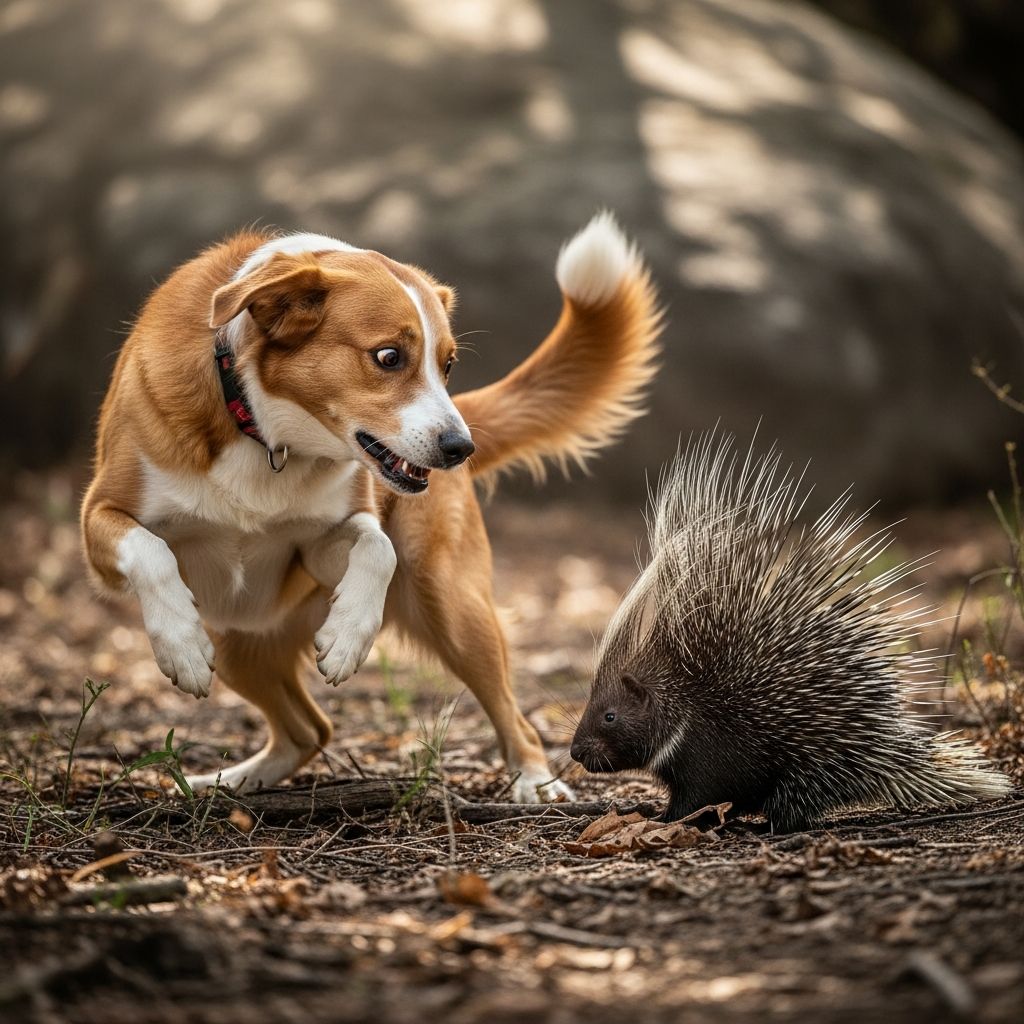
Porcupine encounters can turn a peaceful walk or backyard romp into a painful ordeal for dogs, as their sharp, barbed quills easily embed into skin upon contact. These incidents demand immediate attention to prevent migration, infection, and severe complications, emphasizing the need for prevention and prompt veterinary intervention.
Understanding Porcupine Defense Mechanisms
Porcupines rely on up to 30,000 specialized quills covering their bodies as a primary defense, which are modified hairs coated in keratin with backward-facing barbs at the tips. Contrary to popular belief, these animals do not shoot quills; instead, they raise them and lash out with their tails or bodies when threatened, causing the barbs to detach and lodge into attackers.
The barbs facilitate easy penetration into tissue but resist backward movement, allowing quills to advance deeper with the slightest motion. Some quills are hollow, increasing breakage risk and complicating detection via imaging. This design makes even minor encounters potentially hazardous, particularly for curious dogs that approach too closely during nocturnal or crepuscular activity periods.
Common Sites and Initial Effects of Quill Injuries
Dogs typically sustain quill punctures to the face, mouth, nose, lips, and paws due to investigative sniffing or aggressive advances. Leg injuries often lead to immediate lameness from inflammation and pain, hindering normal mobility. While superficial wounds cause localized swelling and discomfort, embedded clusters exacerbate tissue damage.
Symptoms manifest rapidly: yelping, pawing at the face, drooling, agitation, or reluctance to eat if oral quills are present. External signs include visible quills protruding from skin, but many embed fully, requiring close inspection under good lighting.
| Injury Location | Common Symptoms | Potential Complications |
|---|---|---|
| Face/Mouth | Drooling, pawing, difficulty eating | Infection, tooth damage, eye involvement |
| Legs/Paws | Lameness, limping | Joint invasion, abscess formation |
| Chest/Body | Subtle or delayed distress | Organ puncture, migration to lungs/heart |
Health Risks and Long-Term Dangers
Beyond initial punctures, quills migrate inward due to barbed propulsion, potentially reaching vital areas like joints, nerves, lungs, heart, or spinal cord. This movement fosters bacterial introduction, leading to abscesses, sepsis, and chronic pain. In extreme cases, undetected quills cause fatal organ damage, though such outcomes are rare with timely care.
Improper home removal heightens risks by fragmenting quills, promoting deeper embedding and infection. Repeat offenders—some dogs face multiple incidents—face cumulative damage, underscoring behavioral reinforcement issues where pain paradoxically encourages re-approach rather than avoidance.
- Migration Pathway: Quills advance 1-2 mm daily, evading immune detection.
- Infection Rate: High without antibiotics, as skin flora enters wounds.
- Prognosis: Excellent for isolated quills; guarded for facial/oral clusters or migrants.
Immediate First Aid Steps
If quills are spotted, restrain the dog calmly to avoid further embedding—muzzling may be necessary for safety. Do not cut, burn, or squeeze quills, as these tactics drive fragments deeper. Transport promptly to a veterinarian; for isolated, superficial quills (e.g., 1-2 on the body), gentle straight-back pulling with pliers after cleaning may suffice in low-risk cases, but professional evaluation is ideal.
Clean visible wounds with mild antiseptic, apply cold compresses for swelling, and administer no oral pain meds without vet approval to prevent masking symptoms. Monitor for fever, lethargy, or worsening lameness en route.
Veterinary Treatment Protocols
Professionals use sedation or general anesthesia for thorough extraction, especially with facial or multiple quills, enabling full-mouth exams and X-rays to detect fragments or migrants. Antibiotics combat infection, while anti-inflammatories and pain relief aid recovery; surgical intervention follows for deep migrations.
Post-procedure, rest (crate confinement 7-14 days), soft food for oral injuries, and follow-up imaging ensure completeness. Costs vary: $200-500 for simple cases, $1,000+ for anesthesia/surgery.
Prevention Strategies for Outdoor Adventures
Avoid peak porcupine activity at dawn, dusk, and night, particularly in spring/fall wooded/rural zones. Leash dogs strictly on trails, supervise backyard time, and secure fencing (though climbers bypass low barriers).
- Training Commands: Solid “leave it” and recall prevent chases.
- Habitat Awareness: Steer clear of brushy, tree-rich areas.
- Deterrents: Motion lights, fencing extensions, or professional wildlife removal.
For repeat-prone dogs, desensitization training links porcupine cues to positive avoidance, countering learned persistence.
Behavioral Insights and Training Tips
High-prey-drive breeds like hounds or terriers risk most, but any off-leash explorer qualifies. Post-encounter, some dogs avoid porcupines, while others intensify approaches due to incomplete aversion learning. Counter-condition with controlled exposures, rewarding distance from wildlife scents/models.
- Identify triggers: Scent, rustling, silhouettes.
- Use high-value treats for recall during simulations.
- Consult trainers for “porcupine-proofing” protocols.
FAQs on Porcupine Quill Incidents
Can porcupine quills fall out naturally?
No, barbs prevent self-expulsion; veterinary removal is essential to halt migration.
Is home quill removal safe?
Only for very few superficial quills; risks outweigh benefits otherwise.
How soon after an encounter should I see a vet?
Immediately—delays enable migration and complications.
Do all quilled dogs need anesthesia?
Not singles, but facial/multiple cases yes for safety and completeness.
Can porcupines kill dogs?
Rarely directly, but untreated migrations can fatally damage organs.
Recovery Timeline and Monitoring
Superficial cases heal in 1-2 weeks with rest; complex ones require 4-6 weeks, monitoring for abscesses (swelling, discharge) or neurological signs (seizures, paralysis). Annual check-ups for rural dogs aid early detection of chronic issues.
Maintain updated vaccines/titer checks, as wounds heighten infection susceptibility.
References
- The Dangers of Porcupine Quills in Dogs — Sugar River Animal Hospital. Accessed 2026. https://www.sugarriveranimalhospital.com/services/dogs/blog/dangers-porcupine-quills-dogs
- Dogs and Porcupines: Quill Removal, First-Aid, and Training — Project Upland. Accessed 2026. https://projectupland.com/dogs/porcupine-quills-and-dog-encounters-a-first-aid-and-avoidance-guide/
- Dogs and Porcupines – Avoid at All Cost — K9s on the Front Line. Accessed 2026. https://k9sonthefrontline.org/dogs-and-porcupines-avoid-at-all-cost/
- Dog Meets Porcupine — The Dog Behavior Institute. Accessed 2026. https://www.thedogbehaviorinstitute.com/the-dbi-blog/dog-meets-porcupine
- Porcupine Quill Injuries in Dogs — Cornell University College of Veterinary Medicine. Accessed 2026. https://www.vet.cornell.edu/departments-centers-and-institutes/riney-canine-health-center/canine-health-information/porcupine-quill-injuries-in-dogs
Similar Articles








Read full bio of Sneha Tete