
Protecting Dogs from Ice Melt Hazards
Discover the risks of winter deicers like rock salt on your dog's paws and health, plus safe alternatives and prevention tips for worry-free walks.
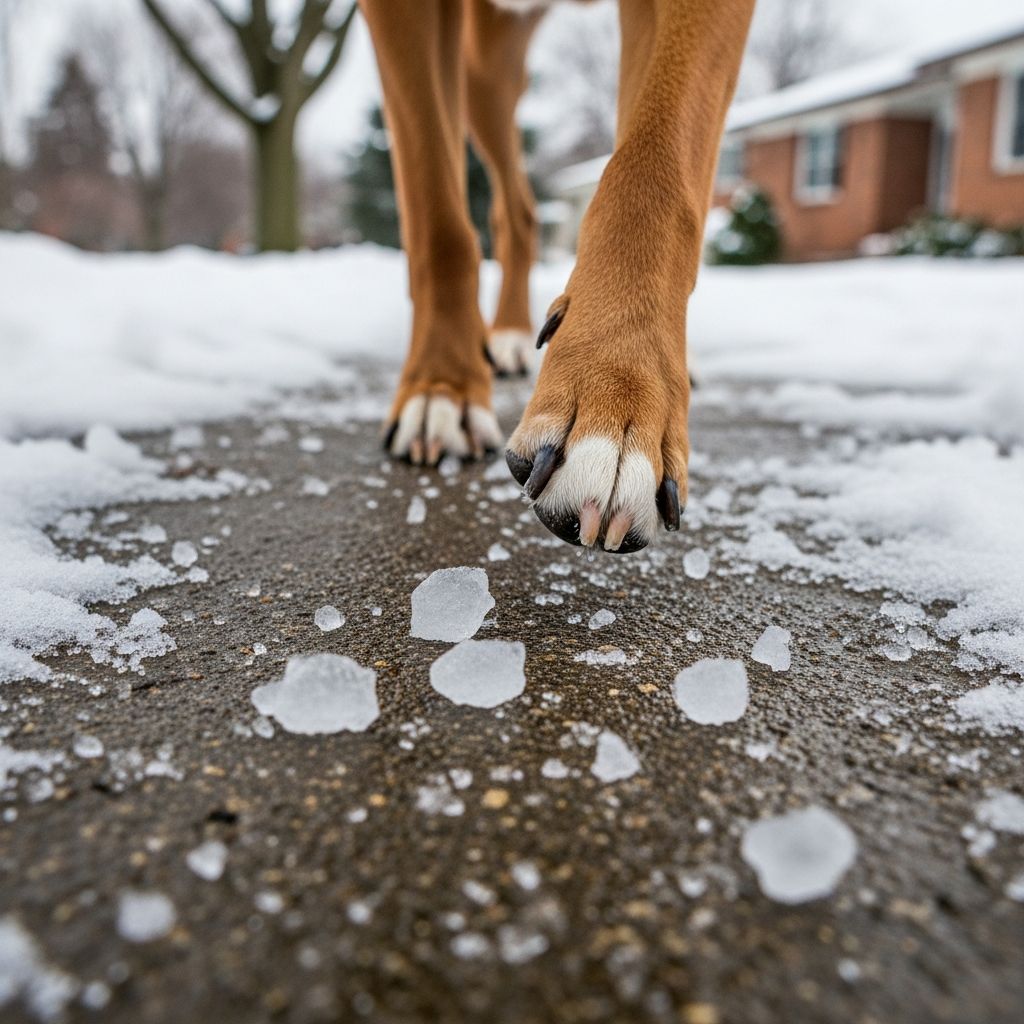
Winter brings joy with snowy walks, but ice-melting products like rock salt create hidden dangers for dogs. These substances irritate paws, cause chemical burns, and lead to poisoning if ingested, affecting thousands of pets annually. Understanding these risks empowers owners to safeguard their companions effectively.
Understanding the Risks of Common Deicers
Rock salt, primarily sodium chloride mined from the earth, excels at melting ice above 20°F but harms pets through physical abrasion and chemical dehydration. Its sharp crystals scrape delicate paw pads, while the salt draws moisture from skin, leading to cracks and burns. Other deicers like calcium chloride or magnesium chloride offer similar threats, with varying toxicity levels.
Cold weather exacerbates these issues. Paw pads, already prone to drying in low humidity, become more vulnerable. Snow hides granules, allowing unnoticed exposure during play. Dogs instinctively lick paws clean, ingesting toxins that disrupt electrolytes and cause systemic illness.
How Deicers Damage Dog Paws
The coarse texture of rock salt acts like sandpaper on paw pads, causing micro-tears that invite bacterial infections. Chemical irritation follows, manifesting as redness, swelling, and blistering. In extreme cases, prolonged contact results in full-thickness burns requiring veterinary intervention.
- Abrasion: Jagged edges cut soft tissue, especially on cracked or dry paws.
- Drying Effect: Sodium chloride dehydrates skin, promoting fissures that worsen with repeated exposure.
- Burns: High concentrations generate heat during melting, scorching sensitive areas.
Smaller breeds suffer more due to higher surface-area-to-body-mass ratios, amplifying absorption and ingestion risks.
Symptoms of Paw Irritation and Salt Exposure
Early detection prevents escalation. Monitor for behavioral and physical cues post-walk:
| Symptom | Description | Severity Level |
|---|---|---|
| Limping or reluctance to walk | Dog favors affected paws, avoids pressure | Mild to Moderate |
| Excessive paw licking/chewing | Persistent grooming signals discomfort | Mild |
| Redness, swelling, cuts | Visible inflammation or wounds on pads | Moderate |
| Vomiting, diarrhea, drooling | Gastrointestinal upset from ingestion | Moderate to Severe |
| Lethargy, tremors, seizures | Neurological signs of sodium toxicity | Severe – Emergency |
Ingestion symptoms stem from hypernatremia, where excess sodium elevates blood levels, drawing water from cells and causing brain swelling. Even trace amounts trigger thirst and urination; larger doses lead to convulsions.
The Dangers of Ingestion and Toxicity
Dogs ingest deicers via paws, fur, or direct access to piles. Rock salt’s chunkier form poses choking risks alongside toxicity. Symptoms progress rapidly: initial GI distress yields to dehydration, weakness, and organ strain.
- Gastrointestinal: Nausea, vomiting, loose stools from mucosal irritation.
- Neurological: Disorientation, tremors from electrolyte imbalance.
- Renal: Kidney damage from concentrated urine processing.
Pet Poison Helpline reports salt poisoning as a top winter call, with small dogs at highest risk from as little as a teaspoon per pound of body weight.
Safer Alternatives to Traditional Rock Salt
Pet-friendly options minimize harm while effectively managing ice. Prioritize products labeled safe for animals, avoiding sodium-based salts.
| Product Type | Active Ingredient | Pet Safety | Effectiveness Temp |
|---|---|---|---|
| Pet-Safe Melts | Potassium acetate, glycol | Low toxicity, minimal irritation | Down to -10°F |
| Magnesium Chloride | Magnesium chloride | Lower toxicity than NaCl, use sparingly | Down to 5°F |
| Calcium Magnesium Acetate (CMA) | Acetate salts | Biodegradable, paw-safe | Down to 25°F |
| Urea-Based | Urea | Non-corrosive, but avoid high doses | Limited to 25°F |
These alternatives reduce paw damage and ingestion risks but require proper application to prevent overexposure. Natural methods like sand or kitty litter provide traction without chemicals.
Practical Prevention Strategies for Winter Walks
Proactive measures shield paws without forgoing outdoor time.
- Booties: Waterproof dog boots protect fully; introduce gradually to avoid resistance.
- Paw Wax: Apply beeswax-based balms pre-walk to create a moisture barrier.
- Post-Walk Rinse: Use lukewarm water and pet-safe wipes to remove residues immediately.
- Route Planning: Stick to unsalted paths or walk during untreated times.
- Home Cleanup: Vacuum tracked-in granules daily to prevent indoor ingestion.
Carry portable towels or sprays for on-the-go cleaning. Limit walks in heavy deicer areas, opting for yard play or indoor exercise.
Recognizing and Responding to Emergencies
If symptoms appear, act swiftly. Rinse paws and mouth thoroughly with water. Withhold food but offer small amounts of fresh water to dilute sodium. Monitor for 24-48 hours.
- Mild Cases: Home care with Epsom soaks (1 tbsp per cup water) soothes irritation.
- Severe Signs: Seek vet care for IV fluids, anti-nausea meds, and monitoring.
Vets may induce vomiting or use blood tests to assess sodium levels. Prognosis improves with early intervention; delays risk permanent damage.
Long-Term Paw Health in Winter
Build resilience through routine care. Moisturize pads weekly with veterinary-approved ointments. Trim fur between toes to reduce granule trapping. Annual paw exams catch vulnerabilities early.
Advocate community-wide: Inform neighbors of pet-safe options and share cleanup tips. Collective action reduces neighborhood exposure.
FAQs on Ice Melt and Dog Safety
Q: Is all ice melt toxic to dogs?
A: Most are, especially chlorides. Choose acetate-based or natural traction aids.
Q: How much rock salt is lethal?
A: About 1g per pound body weight can cause toxicity; smaller amounts irritate.
Q: Can I use table salt instead?
A: No, it’s equally toxic and finer, increasing ingestion ease.
Q: Are booties effective for all dogs?
A: Yes, but train short sessions; active breeds adapt quickest.
Q: What if my dog shows no symptoms but walked on salt?
A: Rinse anyway; subclinical irritation builds over time.
Conclusion: Safer Winters for You and Your Dog
By selecting safe deicers, using protections, and staying vigilant, winter walks remain enjoyable. Prioritizing paw health ensures your dog thrives through the season.
References
- The Danger of Rock Salt on Dog Paws — EVCC. 2023. https://evcc.com/blog/rock-salt-and-dogs/
- My Dog Ate Rock Salt — Pet Poison Helpline. 2024. https://www.petpoisonhelpline.com/pet-tips/my-dog-ate-rock-salt/
- What Rock Salt is Safe for Pets? — Green Gobbler. 2023. https://greengobbler.com/blog/what-rock-salt-is-safe-for-pets
- The Dangers of Rock Salt on Dogs’ Paws — Dogtopia. 2023. https://www.dogtopia.com/blog/dangers-of-rock-salt-on-dogs-paws/
- The Danger of Ice Melt and Salts for Dogs — VEG ER for Pets. 2024. https://www.veg.com/post/the-danger-of-ice-melt-and-salts-for-dogs
- Vet: Some Rock Salts Can be Dangerous for Dogs — WPRI (YouTube). 2023. https://www.youtube.com/watch?v=vCxEu5yEYXM
Similar Articles








Read full bio of medha deb




