
Protecting Dogs from Escalator and Elevator Hazards
Discover why everyday elevators and escalators pose serious risks to dogs and learn proven strategies to keep your pet safe during urban outings.
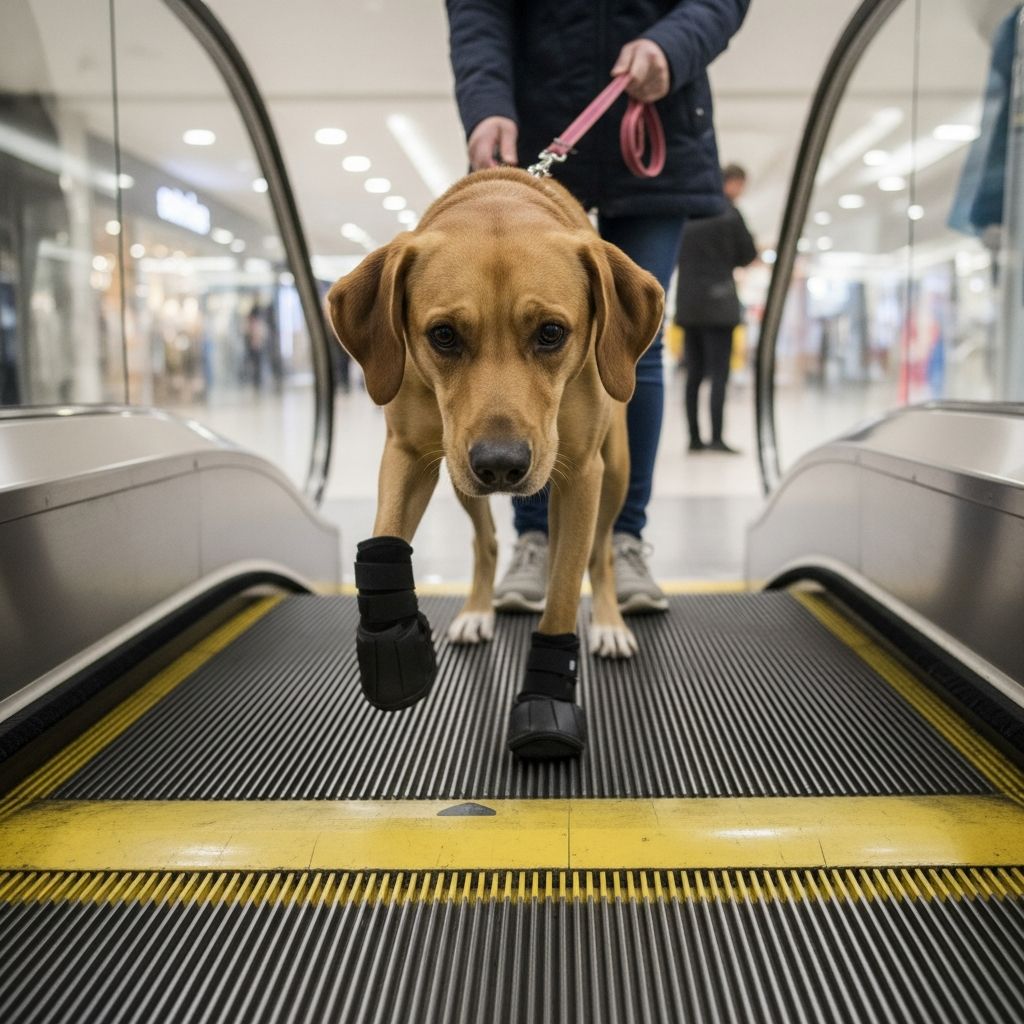
Dogs face significant risks from common building features like escalators and elevators, which can lead to painful injuries or fatal accidents if owners are not cautious. These mechanical systems, designed for human use, often trap paws, leashes, or collars, resulting in emergencies that veterinarians see frequently.
Understanding the Hidden Perils of Mechanical Transport for Pets
Modern urban environments rely heavily on escalators and elevators for quick vertical movement in malls, airports, stations, and offices. While convenient for people, these devices trigger instinctual fear in many dogs due to their noise, motion, and confined spaces. Unsupervised or poorly managed interactions can turn routine trips into veterinary crises, with claws torn off, limbs mangled, or necks constricted.
Statistics from animal welfare groups highlight the prevalence: escalators act like industrial shredders on soft tissues, and elevator doors frequently snag trailing leashes. Awareness is the first step; many owners overlook these threats until an incident occurs.
Why Escalators Pose a Severe Threat to Canine Paws and Limbs
Escalators combine moving steps, metal grates, and side panels that create multiple entrapment points. A dog’s paw pads, nails, or fur can easily catch in the gaps between steps and the stationary frame, leading to degloving injuries where skin and tissue are ripped away.
- Nail avulsions: Claws snag on ridges, pulling them out entirely, causing profuse bleeding and prolonged recovery as the quick regrows.
- Limb entrapment: Toes or entire feet wedge into mechanisms, crushing bones or severing tendons.
- Leash and collar risks: Dangling leads wrap around moving parts, yanking the dog off balance or choking them.
High-traffic areas like airports ban dogs on escalators for this reason, mandating carrying or elevator use. Videos of such accidents show graphic outcomes, underscoring why prevention is non-negotiable.
Elevator Doors: The Silent Choking Danger for Leashed Dogs
Unlike escalators, elevators seem benign during the ride but turn deadly at entry and exit. Doors close rapidly, often missing leash segments that trail behind, hoisting dogs by their collars in a classic hanging scenario.
Real-world cases abound: a Brazilian video captured a small dog lifted airborne by its trapped leash, saved only by quick owner action. Personal accounts from veterinary teams describe similar near-misses in apartments, where panic exacerbates the chaos.
| Risk Factor | Description | Potential Outcome |
|---|---|---|
| Leash in Doors | Trailing end caught as doors shut | Choking, neck trauma, asphyxiation |
| Partial Entry | Owner inside, dog outside (or vice versa) | Sudden jerk, spinal injury, death |
| Dog Panic | Fear causes bolting or freezing | Tripping, further entanglement |
These incidents are not rare; they recur in multi-story buildings where stairs are impractical.
Proven Strategies to Navigate Escalators Safely with Your Dog
Avoidance is ideal, but when unavoidable, strict protocols minimize risks. Airports and the San Francisco SPCA recommend carrying dogs entirely.
- Locate controls first: Identify the emergency stop button before stepping on; knowledge saves seconds in crises.
- Carry small breeds: Use arms, slings, or backpacks to keep paws off steps; secure leashes tightly to avoid dangling.
- Large dog alternatives: Opt for elevators or stairs; never force a walk-on.
- Leash management: Fold excess into your hand; no loose ends.
Trained service dogs master this via conditioning to stand firm and hop grates, but untrained pets lack this skill.
Safeguarding Elevator Trips: Step-by-Step Protocols
Focus on transitions: boarding and alighting are the danger zones.
- Short leash rule: Hold the full length, allowing heel-walking only; no slack for catching.
- Door hold technique: Use your foot or hand to block closing until both are clear.
- Breakaway collars: Equip for elevator use only; they snap under pressure, prioritizing airway over restraint. Switch to harness post-ride.
- Carry tiny dogs: Prevent independent movement entirely.
- Vigilance: Eyes on pet 100% of the time; distractions invite disaster.
In buildings, advocate for signage: share risks with managers to prompt warnings.
Real-Life Incidents and Veterinary Perspectives
Vet Tina Hölscher of Aktion Tier notes frequent escalator/lift emergencies, with claw losses requiring months of regrowth. Preventive Vet’s team witnessed a live choking event, reinforcing leash protocols. Elevator World compiles guidelines echoing these, stressing owner responsibility.
Post-incident care: even if a dog seems fine, vet exams detect hidden fractures or infections.
Building Awareness and Community Prevention Efforts
Spread knowledge via social shares, apartment notices, or pet groups. Organizations like Whole Dog Journal urge elevators over escalators, citing ADA-mandated alternatives. Schindler Group advises tight leashing to fool door sensors.
Pet-safe stair lifts exist for homes but demand unmodified use; DIY hacks void safety.
Frequently Asked Questions
Can all dogs be trained for escalators?
Only service dogs with specialized training; casual attempts risk injury.
Is a harness better than a collar in elevators?
Yes, for walks; pair with breakaway collars for elevators to distribute pressure safely.
What if my building has no stairs or elevators?
Carry in carriers; seek management for pet policies or ramps.
How common are these accidents?
Frequent enough for vet ERs and welfare bans; underreported but video-documented.
Should I avoid public transport with my dog?
Prioritize stairs/elevators; leave home if risks outweigh needs.
Long-Term Habits for Urban Dog Owners
Incorporate safety into routines: scout routes pre-walks, pack carriers, and educate family. Recovery from injuries like nail avulsions delays activity for weeks, impacting quality of life. Proactive owners prevent heartbreak.
By prioritizing these measures, dogs thrive in cities without mechanical mishaps. Stay informed, act deliberately, and enjoy outings confidently.
References
- Lifts and escalators are not safe for dogs — The Star. 2025-09-24. https://www.thestar.com.my/lifestyle/living/2025/09/24/lifts-and-escalators-are-not-safe-for-dogs
- Dog Safety on Elevators and Escalators — Preventive Vet. N/A. https://www.preventivevet.com/dogs/elevators-escalators-dangerous-for-dogs
- Should You Take a Dog on an Escalator? — Whole Dog Journal. N/A. https://www.whole-dog-journal.com/lifestyle/should-you-take-a-dog-on-an-escalator/
- Elevator Safety for Dogs — Elevator World. N/A. https://elevatorworld.com/blog/elevator-safety-for-dogs/
- Pet-Safe Mobility Guide: Managing Stair Lifts and Dogs — Arrow Lift. N/A. https://arrowlift.com/blog/pet-safe-mobility-stair-lifts-dogs/
- Keep your pet safe while riding an elevator — Schindler Group. N/A. https://group.schindler.com/en/media/stories/4-tips-to-keep-your-pet-safe-while-riding-an-elevator.html
Similar Articles








Read full bio of Sneha Tete




