
Protecting Dog Paws from Scorching Pavement
Essential strategies to keep your dog's paws safe during hot weather walks, preventing burns and ensuring enjoyable outings.
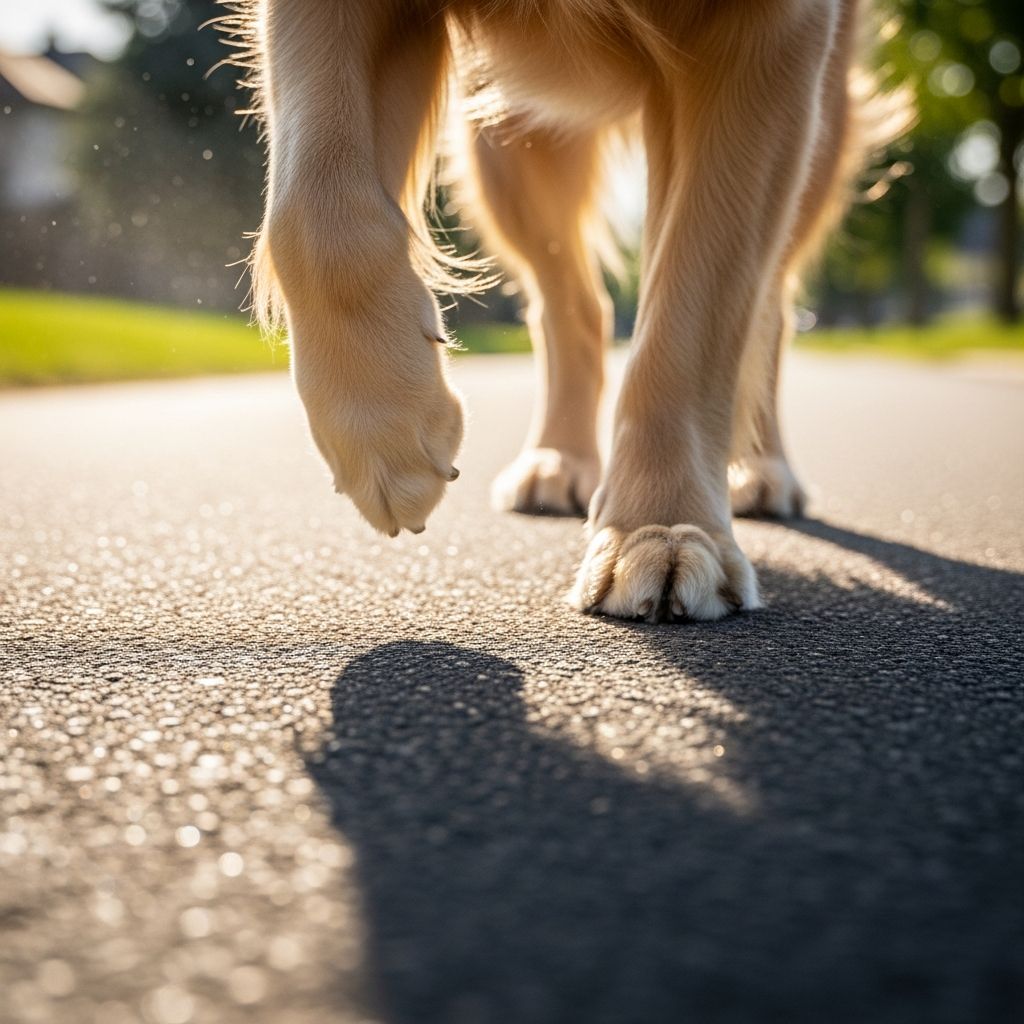
Hot pavement poses a significant risk to dogs during warm weather, as surfaces like asphalt and concrete can reach temperatures far exceeding air readings, leading to painful burns on sensitive paw pads. Understanding the science behind surface heat buildup and adopting practical prevention methods allows pet owners to maintain safe exercise routines year-round.
The Hidden Dangers of Surface Heat Buildup
Dark-colored materials such as asphalt absorb sunlight intensely, causing rapid temperature increases. When air temperatures hit 77°F, pavement can climb to 125°F, and at 87°F air temp, it may reach 143°F. This disparity occurs because concrete and asphalt retain heat longer than surrounding air, creating hazardous conditions even on moderately warm days.
Young puppies, senior dogs, and those with thin paw pads face heightened vulnerability, as prolonged contact—even seconds—can cause blisters or second-degree burns. Beyond immediate paw damage, hot surfaces contribute to overall heat stress, elevating a dog’s core body temperature toward dangerous levels above 104°F.
Simple Tests to Gauge Pavement Safety
Pet owners can quickly assess surface heat without specialized tools. The widely recommended hand test involves pressing the back of your hand flat against the pavement for 7 to 10 seconds. If discomfort sets in before the count ends, the surface is unsafe for your dog’s paws.
For precision, an infrared thermometer provides exact readings across various surfaces like concrete, grass, or brick. Data shows shaded areas remain 36 to 56°F cooler than sun-exposed spots, highlighting the value of targeted measurements.
| Air Temperature (°F) | Typical Pavement Temp (°F) | Walk Recommendation |
|---|---|---|
| Below 60 | Around 105 | Yes, monitor sensitive breeds |
| 60-69 | Around 115 | Ideal for most dogs |
| 70-79 | Around 125 | Caution: short walks only |
| 80-89 | Around 135 | Avoid; use shade or alternatives |
| Above 90 | Around 145+ | No walks on pavement |
This chart illustrates safe thresholds based on observed correlations between air and surface heat.
Optimal Timing for Safe Outdoor Exercise
Schedule walks for early mornings or late evenings when sunlight intensity wanes and surfaces have cooled. Asphalt’s low thermal conductivity means it retains heat well into the night, so always perform the hand test post-sunset. Midday outings should be avoided entirely during warmer months.
In regions with intense sun like Austin or Florida, even 75°F days produce pavement over 125°F, underscoring the need for strategic timing. Combine this with shaded routes—tree-lined paths or parks reduce exposure significantly.
Alternative Walking Surfaces and Routes
Opt for natural terrains that reflect rather than absorb heat. Cool grass, dirt trails, or mulch stay far milder than man-made surfaces. Avoid artificial turf, which mimics pavement heat retention.
- Choose parks with ample greenery for cooler footing.
- Stick to sidewalks under tree canopies or building shadows.
- Explore mulch-covered playground edges or wooded trails.
- In urban settings, hug building lines where shade persists longer.
These choices not only protect paws but enhance the walk’s enjoyment with varied scenery.
Protective Gear for High-Risk Conditions
When pavement heat cannot be avoided, equip your dog with paw booties made from breathable, heat-resistant materials. These create a barrier against burns while allowing flexibility for movement. Apply paw wax or balms beforehand to add moisture retention and cushioning.
Introduce booties gradually through short indoor sessions to build comfort. Look for models with adjustable straps and ventilated designs to prevent overheating. For short-nosed breeds prone to heat intolerance, pair gear with cooling vests.
Recognizing and Treating Paw Injuries
Monitor for behavioral cues like limping, paw lifting, restlessness, or shade-seeking, which signal discomfort. Inspect pads post-walk for redness, blisters, swelling, or blackened areas indicative of burns.
For minor irritation:
- Cool the paws in lukewarm water (avoid ice).
- Apply vet-approved antibiotic ointment.
- Bandage loosely and restrict activity for 24-48 hours.
Severe burns warrant immediate veterinary attention, potentially involving cleaning, pain relief, and antibiotics to prevent infection. Heat stress symptoms—panting, drooling, or collapse—require emergency cooling and fluids.
Enhancing Paw Resilience Year-Round
Build tougher pads through gradual exposure to varied textures like sand or short grass during cooler seasons. Regular moisturizing with pet-safe balms prevents cracking, improving natural protection. Trim overgrown fur between toes to minimize heat trapping.
Maintain hydration and a balanced diet rich in omega fatty acids for skin health. Annual vet checkups catch vulnerabilities early, especially for breeds with thin pads like Greyhounds.
Comprehensive Summer Safety Protocols
Beyond paws, holistic heat management includes never leaving dogs in vehicles, providing constant fresh water, and recognizing breed-specific risks—Brachycephalics like Bulldogs overheat faster. Indoor alternatives such as puzzle toys, flirt poles, or treadmill sessions keep energy levels balanced without outdoor risks.
Community efforts like advocating for more shaded public paths benefit all pet owners. Track local weather apps with pavement heat alerts for proactive planning.
Frequently Asked Questions
How hot is too hot for dog paws?
Pavement exceeding 125°F risks burns; use the 7-second hand test for a reliable check.
Can I walk my dog at night in summer?
Yes, but test surfaces first—asphalt cools slowly and may remain hazardous.
Are paw booties comfortable for dogs?
Most adapt quickly with proper fitting; start with brief wear to acclimate.
What if my dog burned its paws?
Cool gently, apply ointment, and consult a vet for blisters or limping.
Which surfaces are safest in heat?
Grass, dirt, and shade provide the coolest options over pavement or turf.
References
- How to Protect Dog Paws from Hot Pavement in Austin — Walk! ATX. 2023. https://walkatxpets.com/blog-videos/how-to-protect-dog-paws-from-hot-pavement-tips-for-austins-triple-digit-days/
- How to Protect Dog Paws From Hot Pavement — American Kennel Club (AKC). 2024-06-01. https://www.akc.org/expert-advice/health/dog-paws-hot-pavement/
- Pavement Temperature Chart for Dogs — Weave. 2024. https://www.getweave.com/pavement-temperature-chart-for-dogs/
- Heat safety for pets — NBC16. 2024-06-25. https://nbc16.com/news/nation-world/heat-safety-if-pavement-is-too-hot-for-you-too-hot-for-your-dog-heat-stroke-exhaustion-journal-of-the-american-medical-association
- The Simplest Way to Tell if the Pavement Is Too Hot — The Farmer’s Dog. 2023. https://www.thefarmersdog.com/digest/pavement-too-hot-for-dogs-paws-sidewalk-street/
- Hot Asphalt – A Danger to your Dog’s Paws — Four Paws USA. 2023. https://www.fourpawsusa.org/our-stories/publications-guides/hot-asphalt-a-danger-to-your-dogs-paws
Similar Articles








Read full bio of Sneha Tete




