

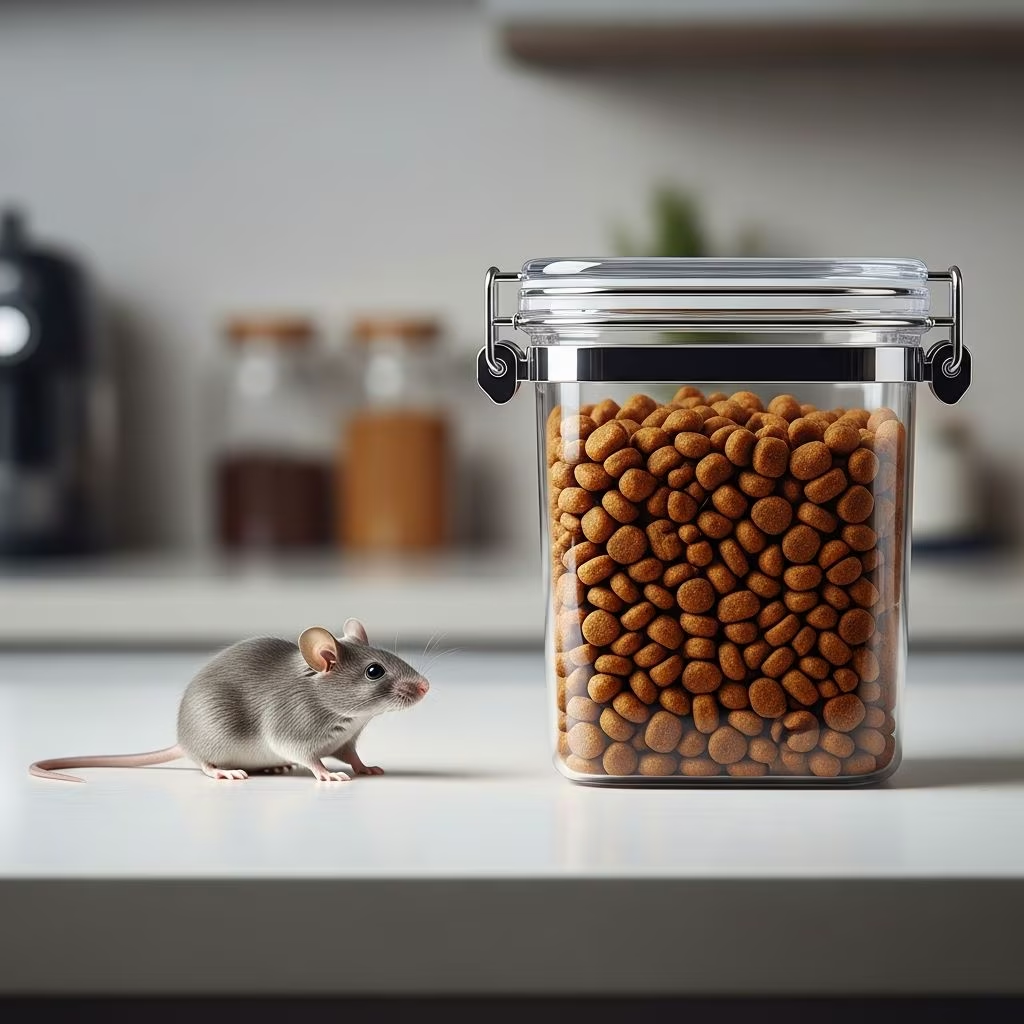
Mice pose a significant threat to dog food supplies, drawn by the scent and accessibility of kibble left unprotected. These rodents can contaminate food with droppings, urine, and bacteria, risking your pet’s health and leading to costly replacements. Implementing targeted prevention measures creates a barrier against infestations while preserving food quality.
Why Mice Target Pet Food Areas
Dog food serves as an ideal attractant for mice due to its high nutritional value and easy availability. Rodents detect odors from open bags or spilled crumbs from distances, navigating through tiny cracks to reach bowls or storage spots. In homes or kennels, factors like warmth, shelter, and minimal disturbance amplify the appeal, turning feeding zones into hotspots for nesting and breeding.
Contamination spreads diseases such as hantavirus or salmonella, potentially affecting dogs and humans alike. Early intervention through habitat modification and exclusion tactics minimizes these dangers effectively.
Secure Storage Solutions for Dry Kibble
Choosing the right containers is foundational to rodent-proofing. Opt for metal or thick plastic bins with airtight gamma lids that mice cannot chew through. These materials resist gnawing better than cardboard or thin plastic bags, which rodents breach quickly.
- Position containers at least 18 inches off the floor on sturdy shelves to reduce access points.
- Select bins with screw-top or locking mechanisms for superior sealing over snap lids.
- Label and date contents to rotate stock, discarding expired kibble that loses aroma but attracts pests.
For bulk purchases, 20-30 gallon capacity drums work well in garages or pantries, provided they remain in cool, dry locations away from exterior walls. Avoid garages prone to drafts if possible, as they facilitate entry.
Strategies for Wet Food and Treat Protection
Wet food requires refrigeration post-opening to curb odors. Transfer remnants to glass or metal jars with tight seals, storing them on middle shelves to avoid ground-level temptations. Treats, often overlooked, should follow similar protocols in divided compartments within main bins.
| Food Type | Recommended Container | Storage Location |
|---|---|---|
| Dry Kibble | Metal drum with gamma lid | Shelf, cool/dry area |
| Wet Food (opened) | Glass jar, airtight | Refrigerator, mid-shelf |
| Treats/Biscuits | Plastic bin, locking | Pantry cabinet |
This table outlines optimal setups, balancing accessibility for pet owners with inaccessibility for pests.
Elevating Feeding Stations Effectively
Raising bowls deters mice by increasing travel distance and exposure risk. Use stable platforms 2-3 feet high, constructed from smooth metal or sealed wood to eliminate climbing holds. Commercial elevated feeders with enclosed bases add further protection.
Implement the moat technique: place the bowl in a shallow pan filled with water, creating a barrier mice hesitate to cross. Refresh water daily to prevent stagnation and mosquito breeding. Ensure heights suit your dog’s size for comfortable eating without spills.
Scheduled Feeding to Minimize Exposure
Free-feeding leaves food vulnerable for hours. Switch to 2-3 daily meals at fixed times, removing uneaten portions within 15-20 minutes. This limits availability windows, training dogs to eat promptly while starving out rodent interest.
Portion control via measuring cups prevents overfeeding and waste. For multi-pet homes, feed separately to monitor intake and clean individually.
Natural Repellents Safe for Pets
Harness scents mice despise without endangering dogs. Peppermint oil, diluted on cotton balls, placed 2-3 feet from bowls repels via strong aroma—refresh bi-weekly. Cayenne pepper sprinkled around perimeters irritates rodent senses mildly.
- Vinegar solutions (1:1 water mix) wiped on surfaces erase scent trails.
- Diatomaceous earth in thin layers near walls dehydrates pests on contact.
- Essential oil diffusers in ventilated areas, ensuring pet-safe concentrations.
Always test pet reactions and avoid direct food contact. These methods complement rather than replace structural defenses.
Sealing Homes Against Intruders
Mice squeeze through dime-sized gaps. Conduct thorough inspections focusing on foundations, vents, pipes, and doors. Seal with steel wool packed into voids, followed by caulk or foam for permanence—rodents chew softer fillers.
Install door sweeps and weatherstripping; screen vents with 1/4-inch mesh. In kennels, check drop ceilings, utility lines, and pallet stacks for highways rodents exploit. Copper mesh excels in high-moisture zones like around plumbing.
Daily Hygiene Routines for Prevention
Crumbs equal invitations. Sweep and vacuum post-meals, wiping bowls with vinegar solutions to neutralize odors. Empty trash promptly, using lidded bins, and launder feeding mats weekly.
Address spills instantly, especially in multi-dog setups. Remove standing water sources, as moisture aids survival. Organized spaces deny nesting materials like paper or fabric scraps.
Advanced Tools: Rodent-Proof Feeders and Traps
Specialized feeders feature self-closing lids activated by dog weight, slamming shut on lighter intruders. Available in stainless steel for durability and easy sanitization.
For active issues, tamper-resistant bait stations with pet-safe anticoagulants placed outdoors 20-40 feet apart offer control. Non-toxic pouches emitting rodent-repelling scents last 30-90 days in high-traffic zones. Monitor and refresh as needed, prioritizing exclusion first.
Monitoring and Early Detection Signs
Regular checks catch problems early. Scout for droppings (rice-sized, dark), greasy rub marks on walls, gnaw damage, or urine smells. Nesting in stored items signals escalation.
Use blacklight for urine glow detection at night. Log findings to track patterns, adjusting strategies accordingly. Professional inspections benefit large properties or persistent cases.
Common Mistakes Pet Owners Make
Overlooking small cracks, using flimsy bags, or inconsistent cleanup invite failures. Storing food in sheds or near entry points compounds risks. Avoid emotional reliance on dogs as natural predators—many breeds ignore mice amid ample food.
FAQ
Can mice make my dog sick from contaminated food?
Yes, exposure to rodent feces or urine can transmit leptospirosis, hantavirus, or parasites. Promptly discard suspect kibble and consult vets for symptoms like vomiting or lethargy.
Are essential oils safe around dogs?
In diluted forms away from bowls, yes for most, but tea tree or eucalyptus can be toxic. Observe behavior and ventilate well.
How often should I clean feeding areas?
Daily after meals, with deep weekly scrubs using pet-safe disinfectants.
What if I have an outdoor kennel?
Double-seal structures, elevate all storage, and use weatherproof containers. Integrate perimeter repellents.
Do ultrasonic devices work?
Efficacy varies; they disrupt but don’t eliminate. Pair with physical barriers for best results.
References
- How to Keep Mice Out of Dog Food Bowl: Effective Strategies — Uahpet. 2023-05-15. https://www.uahpet.com/blogs/post/how-to-keep-mice-out-of-dog-food-bowl-effective-strategies
- How to Keep Pests Out of Pet Food — All-American Pest Control. 2024-02-10. https://www.allamericanpestcontrol.com/blog/post/how-to-keep-pests-out-of-pet-food
- 5 Expert Tips to Safely Effectively Control Rodents in Dog Kennels and Pet Food Storage Areas — EarthKind. 2023-11-20. https://www.earthkind.com/blog/5-expert-tips-to-safely-effectively-control-rodents-in-dog-kennels-and-pet-food-storage-areas/
- Proper Food Storage To Deter Rodents — Budget Pest Control. 2024-08-05. https://pestfreedenver.com/resources/best-practices-for-proper-food-storage-to-deter-rodents-from-entering-your-home/
- Common Rodents in Pantry and Food Storage — Solutions Pest & Lawn. 2023-09-12. https://www.solutionsstores.com/rodent-pantry-food-storage



