

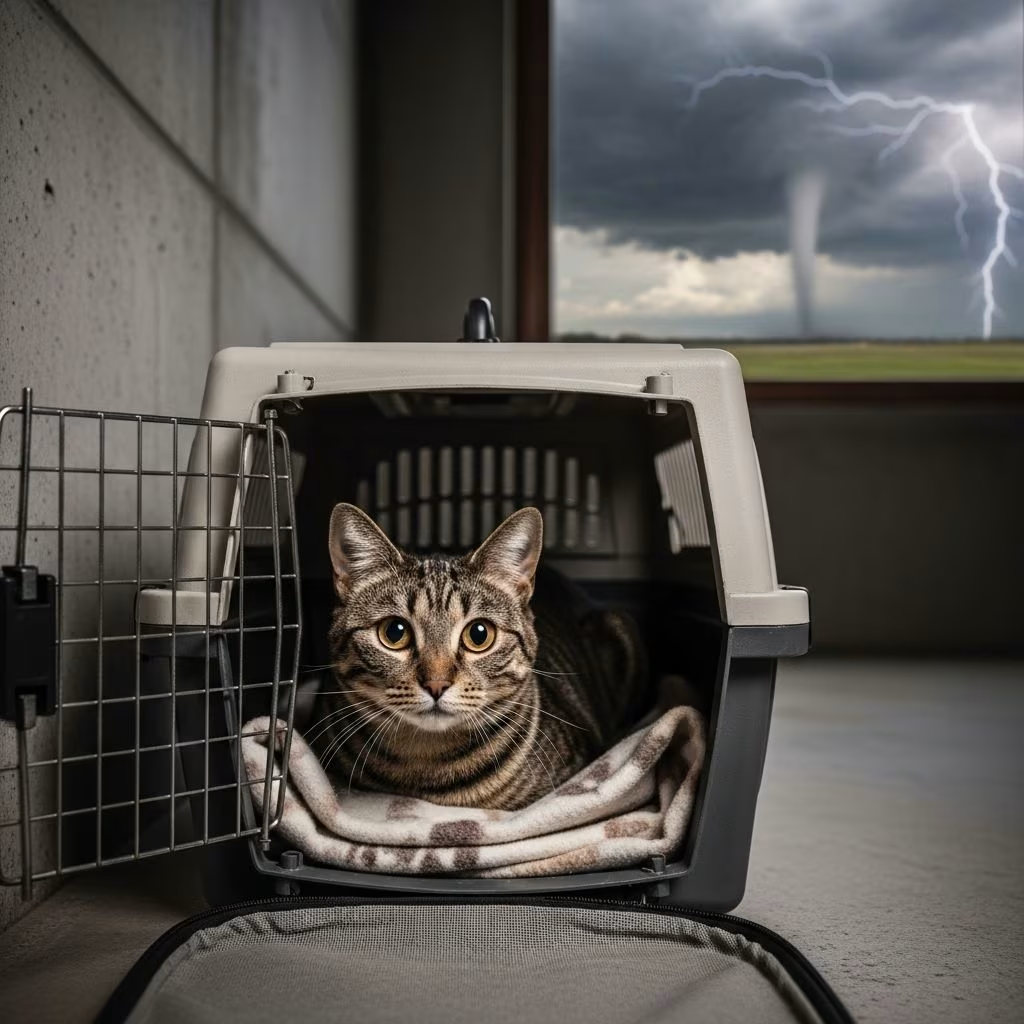
Cats possess remarkable abilities to detect impending tornadoes through subtle environmental cues like drops in barometric pressure, often displaying distinct behavioral shifts well before humans receive warnings. This guide explores these instincts, common reactions, calming methods, and critical preparedness steps to ensure your feline’s safety during severe weather events.
The Science Behind Feline Storm Detection
Felines excel at perceiving atmospheric alterations that signal approaching tornadoes, primarily via their acute inner ear mechanisms sensitive to pressure variations. These structures allow cats to notice barometric declines associated with storm fronts hours in advance, triggering instinctual responses honed by evolution. Additionally, their superior olfactory senses pick up on humidity spikes and ionic shifts in the air, while heightened hearing captures distant rumbles or wind patterns imperceptible to people.
Research indicates cats share this prescience with various wildlife, where survival depends on preempting disasters. Unlike radar-dependent forecasts, a cat’s detection relies on multisensory integration, providing an organic early alert system. While not infallible, this capability consistently manifests as behavioral precursors to tornado formation.
Recognizing Your Cat’s Tornado Warning Signs
Observant owners can interpret specific feline cues as harbingers of severe weather. Common indicators include:
- Restlessness and pacing: Cats may prowl incessantly or dart unpredictably, reflecting inner ear discomfort from pressure drops.
- Hiding instincts: Seeking confined spaces like closets or under beds signals perceived threat, prioritizing self-protection.
- Vocal escalation: Excessive meowing, yowling, or growling conveys agitation, often amplified by electromagnetic disturbances.
- Affection surges or withdrawal: Some become unusually clingy for reassurance, while independent types isolate themselves.
- Appetite and litter disruptions: Refusal to eat or irregular bathroom use underscores stress-induced physiological responses.
These manifestations vary by personality; a bold cat might vocalize boldly, whereas a timid one cowers silently. Monitoring patterns helps owners correlate pet actions with weather apps, enhancing household readiness.
Managing Feline Anxiety During Storm Approaches
Tornado precursors exacerbate cat stress due to routine disruptions they abhor. Proactive interventions mitigate distress:
- Establish a quiet retreat zone with familiar bedding in windowless areas, stocked with essentials like water and toys.
- Deploy pheromone diffusers mimicking maternal scents to soothe nerves chemically.
- Maintain owner composure; felines mirror human tension, so relaxed demeanors promote calm.
- Engage in pre-storm play sessions to expend energy and distract from ominous signs.
- Avoid forcing interactions; respect hiding preferences to prevent escalating fear.
For persistent phobias, consult veterinarians about anti-anxiety supplements or medications tailored to storm sensitivity. Gradual desensitization via recorded thunder at low volumes builds resilience over time.
Essential Preparedness for Tornado-Prone Regions
In areas frequented by twisters, year-round planning safeguards pets amid rapid escalations from watch to warning. Key protocols include:
| Preparedness Phase | Actions for Cats | Rationale |
|---|---|---|
| Tornado Watch | Locate and indoor-secure all cats; prepare carriers with padding. | Allows swift assembly without panic. |
| Tornado Warning | Crate in interior safe room/basement; include comfort items. | Prevents bolting during chaos; contains flight response. |
| Post-Storm | Health check for injuries; monitor behavior normalization. | Addresses hidden trauma or exposure risks. |
Invest in sturdy, ventilated carriers sized appropriately—too large risks injury from tossing, too small induces claustrophobia. Label with medical info and microchip details for evacuation scenarios. Stock a 72-hour pet kit: food, meds, waste bags, and battery-powered litter lights.
Indoor vs. Outdoor Cat Strategies
Exclusively indoor cats simplify logistics, remaining contained during alerts. For ferals or roamers:
- Preemptive recall training: Condition with treats or toys to names, facilitating urgent indoor summons.
- Storm lures: Favorite foods or heated pads near doors entice returns as instincts drive shelter-seeking.
- Colony monitoring: In community settings, provide communal shelters stocked for multiples.
Post-event searches prioritize likely hideouts like sheds or under vehicles, as cats self-relocate nearby sensing peril.
Long-Term Storm Resilience Building
Beyond acute events, foster adaptability:
- Enroll in pet CPR/first aid courses for injury response.
- Install weather radios with pet-specific alerts.
- Create family drill routines including pet roles monthly.
- Upgrade to storm-proof enclosures for semi-outdoor access.
Holistic health via regular vet visits identifies phobia vulnerabilities early. Nutrition supporting ear/olfactory functions—omega-rich foods—may subtly enhance sensory acuity.
FAQs: Cat Tornado Safety Essentials
Do cats truly foresee tornadoes?
Yes, via barometric sensitivity and multisensory cues, often preceding human detection.
How to soothe a storm-terrified cat?
Offer secluded safe spots, pheromones, and calm presence; avoid coercion.
Is crating necessary during warnings?
Absolutely, in safe rooms to curb escape attempts and ensure containment.
What if my outdoor cat vanishes pre-storm?
They typically self-shelter nearby; lure with food post-event and search methodically.
When to vet after storms?
If behaviors linger beyond 48 hours or injuries appear.
Advanced Safety for Multi-Pet Homes
Households with dogs and cats require compartmentalized plans: separate crates mitigate interspecies stress. Designate pet captains for drills, timing grabs under 60 seconds. Backup microchipping and ID tattoos aid reunions if separations occur.
Community resources like shelter pet bays during mass evacuations prove invaluable; register locally. Insurance riders covering pet storm perils reimburse carrier or med costs.
References
- Can cats really pick up on tornadoes before they hit? — Dial A Vet. 2023. https://www.dialavet.com/vet-answers/cat-senses-storm-behavior-50706
- Can Cats Sense Tornadoes? Vet-Reviewed Facts & Safety Tips — Catster. 2023. https://www.catster.com/cat-behavior/can-cats-sense-tornadoes/
- How to Calm a Cat During a Thunderstorm — Tipp Vet. 2023. https://tippvet.com/blog/calm-cat-during-storm/
- Why Are Cats Afraid of Thunderstorms? — PetMD. 2023. https://www.petmd.com/cat/conditions/behavioral/c_ct_thunderstorm_phobias
- Keeping Pets Calm and Safe During Thunderstorms and Tornadoes — Warm Hearts. 2023. https://warmhearts.org/keeping-pets-calm-and-safe-during-thunderstorms-and-tornadoes/



