

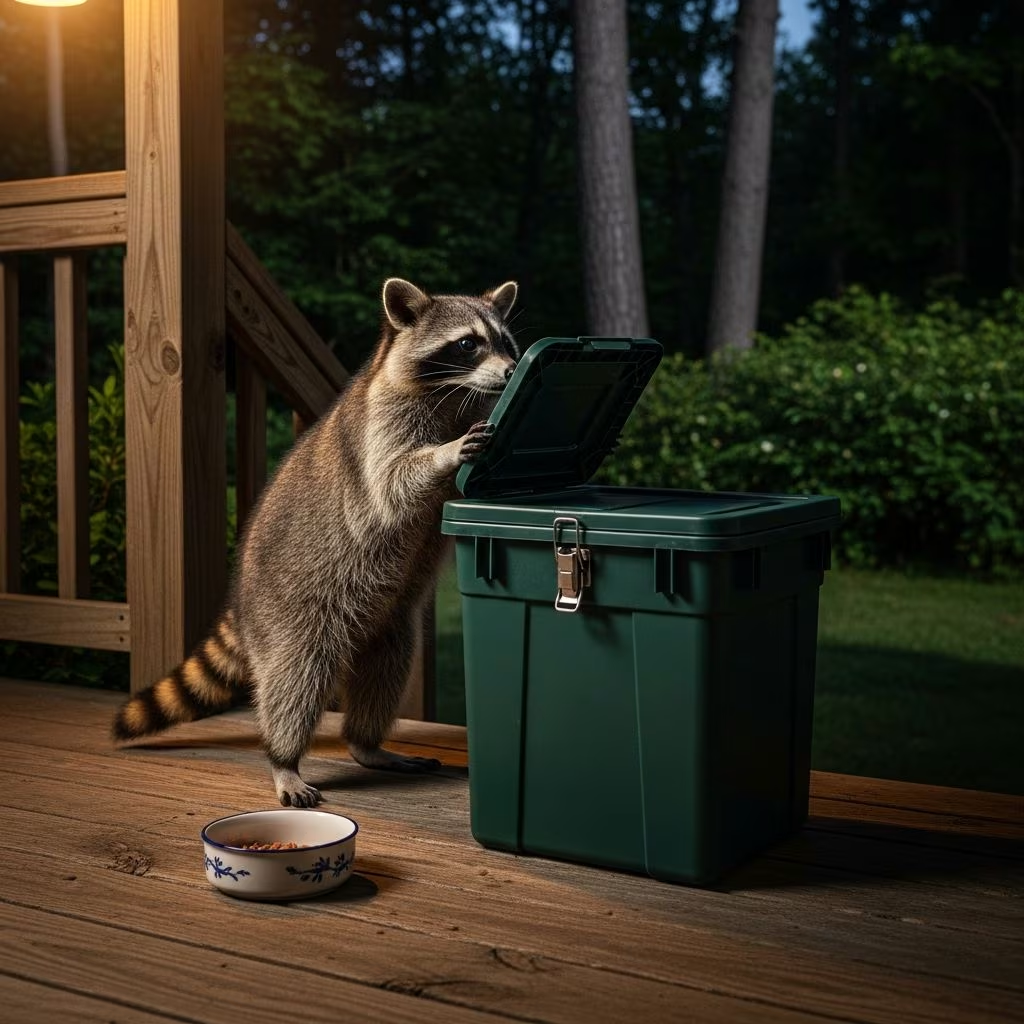
Raccoons pose a significant challenge for cat owners who feed their pets outdoors. These intelligent nocturnal creatures are drawn to easily accessible pet food, potentially leading to competition, contamination, or health risks for cats. Implementing targeted prevention measures ensures your feline companions enjoy their meals undisturbed while maintaining a humane approach to wildlife coexistence.
Understanding Raccoon Behavior and Attraction to Pet Food
Raccoons are opportunistic feeders with dexterous paws and keen senses that make them adept at accessing unsecured resources. They thrive in urban and suburban environments where human-provided food sources abound. Cat food, rich in proteins and fats, serves as a prime target due to its palatability and frequent availability outdoors.
These animals are primarily active at night, overlapping with some cats’ routines but differing in climbing versus jumping preferences. Raccoons excel at climbing but struggle with leaps, a key distinction for designing barriers. Eliminating attractants reduces their visits over time, as they seek easier foraging opportunities elsewhere.
Strategic Feeding Schedules to Minimize Encounters
Aligning mealtimes with daylight hours disrupts raccoon access patterns. Cats adapt readily to consistent daytime routines, arriving promptly when food appears.
- Establish fixed feeding times during peak daylight, such as morning and early afternoon.
- Remove all uneaten portions immediately after meals to eliminate overnight temptations.
- Monitor initial adjustments, as cats may vocalize or pace briefly before settling into the new schedule.
This approach leverages raccoons’ aversion to daytime activity, reducing sighting risks and potential confrontations. Indoor feeding remains ideal for owned cats, transitioning outdoor strays gradually.
Elevating Food Stations for Cat-Only Access
Placing food on high surfaces exploits physical differences between cats and raccoons. Cats leap effortlessly onto elevated platforms, while raccoons rely on gripping and climbing.
- Select sturdy counters, shelves, or custom stands 4-6 feet high.
- Ensure smooth, non-grippable surfaces like metal or slick plastic to thwart paw holds.
- Combine with overhangs or skirts that flap outward, preventing secure footing.
For cat doors, elevate entry points with landing platforms. A 4-foot height with bilateral shelves allows cats to jump through while raccoons cannot bridge the gap. This setup has proven effective in real-world applications, foiling even persistent intruders.
Securing the Broader Environment Against Attractants
Raccoons investigate properties holistically, drawn by any food cues. Comprehensive yard management amplifies specific cat food protections.
| Attractant | Prevention Method | Effectiveness Notes |
|---|---|---|
| Trash Cans | Bungee cords, locks, or heavy lids | Prevents tipping and lid removal |
| Food Scraps | Daily sweeps of porches/yards | Eliminates incidental lures |
| Bird Feeders | Remove at night or use baffles | Stovepipe guards block climbs |
| Water Sources | Empty bowls, fix leaks | Reduces overall appeal |
Seal garbage in heavy-duty bags within latched bins. Trim vegetation to limit hiding spots, deterring denning behaviors. These steps create an unwelcoming habitat, encouraging raccoons to relocate naturally.
Advanced Enclosures and Technology Solutions
For persistent issues, invest in purpose-built deterrents tailored to pet feeding.
- Automatic Feeders: Microchip-activated or motion-sensing models dispense portions only for authorized users, closing afterward.
- Weighted Tubs: Enclose feeders in heavy plastic containers raccoons cannot tip, allowing cat entry via small gaps.
- Smart Cat Doors: Collar or microchip readers permit only pets, blocking wildlife.
Position these indoors when possible, or in fortified outdoor stations. Programmable dispensers limit leftovers, syncing with daytime schedules for optimal results.
Natural Repellents and Sensory Deterrents
Non-toxic scents and stimuli exploit raccoon sensitivities without harm.
- Capsaicin sprays or hot sauce around perimeters; reapply after rain.
- Citrus oils, as raccoons detest the odor while cats tolerate it.
- Motion lights, sprinklers, or radios tuned to talk stations simulate occupancy.
These methods provide immediate repulsion, buying time for habituation to other changes. Rotate applications to prevent adaptation.
Addressing Cat Door Vulnerabilities
Pet doors invite raccoons via food scents wafting outside. Mitigation focuses on access control.
- Relocate doors to elevated windows or walls with jump platforms.
- Install floppy metal skirts on landings to disrupt climbing grips.
- Lock doors overnight, using litter solutions temporarily.
Store food bags distant from entry points, minimizing olfactory trails. These adaptations maintain convenience while restoring security.
Humane Long-Term Wildlife Management
Prevention prioritizes deterrence over confrontation. Avoid direct feeding, as it habituates raccoons to humans, escalating boldness.
- Never relocate trapped animals; consult professionals for ethical handling.
- Vaccinate pets against rabies, monitoring for wildlife interactions.
- Partner with local vector control for persistent infestations.
Sustained vigilance yields raccoon-free zones, benefiting pets and property alike.
Potential Risks and Safety Considerations
Inter-species encounters risk injury, disease transmission like roundworms or rabies. Supervise outdoor cats, prioritizing indoor lifestyles. If contact occurs, seek veterinary care promptly.
Raccoon feces harbor parasites; disinfect areas thoroughly, burning contaminated wood if needed.
FAQ
Can raccoons jump as high as cats?
No, raccoons climb but rarely leap effectively, making elevated setups cat-exclusive.
Is it safe to use repellents around cats?
Opt for pet-safe options like citrus or capsaicin, testing small areas first.
What if raccoons ignore deterrents?
Combine methods and remove all food sources; persistence pays off within weeks.
Should I trap and relocate raccoons?
No, humane deterrence is preferable; relocation often fails and stresses animals.
How soon will these methods work?
Daytime feeding shows results in days; full environmental changes take 1-2 weeks.
References
- How to Keep Cat Food Protected from Raccoons — Skedaddle Wildlife. 2023. https://www.skedaddlewildlife.com/location/hamilton/blog/how-to-keep-cat-food-protected-from-raccoons/
- What to do about raccoons — Humane World for Animals. 2024-01-15. https://www.humaneworld.org/en/resources/what-do-about-raccoons
- COMMON TIPS FOR RACOON PREVENTION — Saltaire.org. 2022. https://www.saltaire.org/racoonprevention.pdf



