

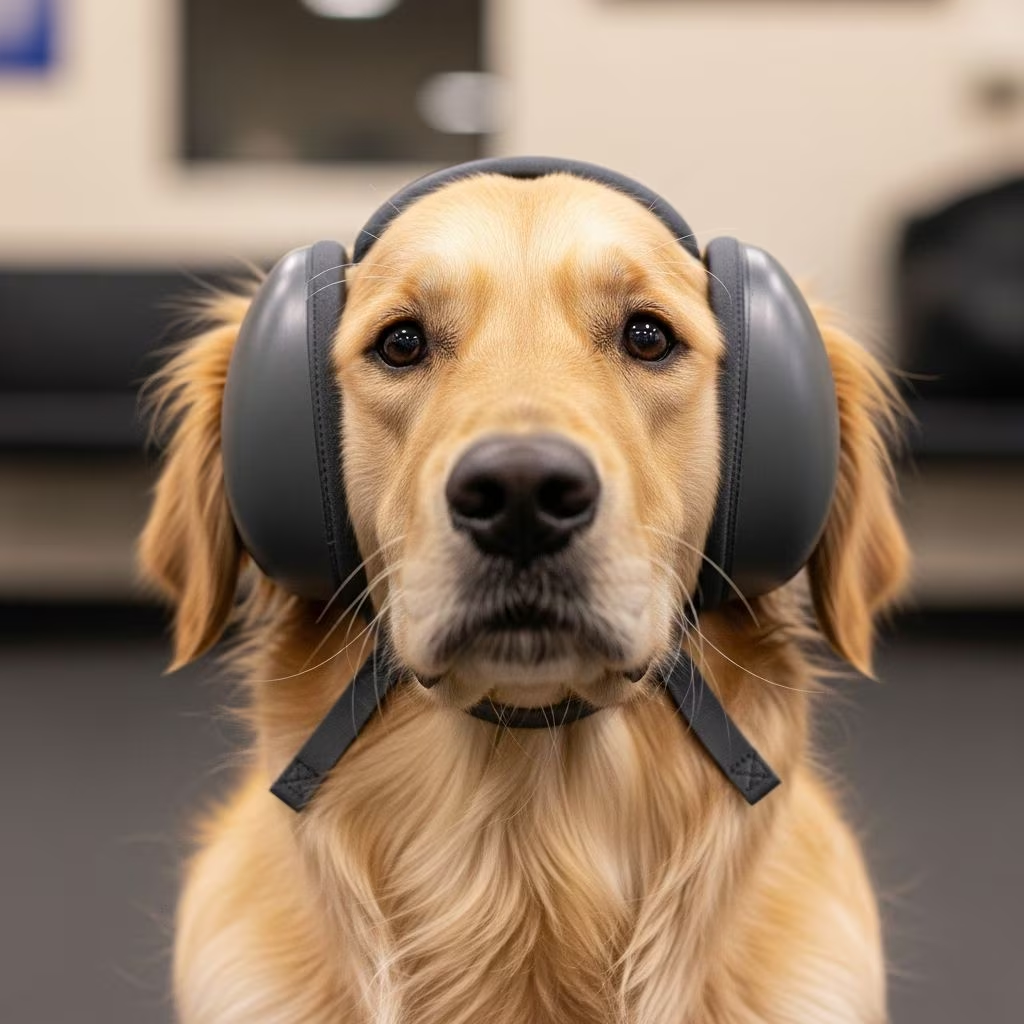
Dogs possess an extraordinary auditory sense that far surpasses human capabilities, enabling them to detect distant sounds and subtle frequencies vital for survival and daily life. However, this heightened sensitivity leaves them vulnerable to damage from excessive noise, potentially leading to permanent hearing impairment. Specialized ear guards, such as muffs and protective hoods, offer a practical solution to attenuate harmful decibels, preserving auditory health for both household pets and working canines.
The Science Behind Canine Auditory Vulnerability
A dog’s hearing range spans from approximately 40 Hz to 60,000 Hz, allowing perception of ultrasounds inaudible to humans, whose range tops at around 20,000 Hz. This superior detection comes at a cost: delicate structures like stereocilia in the cochlea and the tympanic membrane can suffer irreversible harm from sounds exceeding 85-90 decibels, levels common in vacuums, fireworks, or gunfire. When exposed repeatedly, these hair cells fail to regenerate, disrupting signal transmission to the brain and causing partial or total deafness.
Working dogs face amplified risks. Military, police, and hunting breeds encounter percussive blasts from weapons or helicopters, where noise peaks surpass 140 dB—far beyond human pain thresholds of 120-140 dB and canine discomfort at 90 dB. Studies confirm that without intervention, such exposures injure inner ear components, impairing performance and quality of life.
Common Sources of Noise Threatening Dogs
- Household Hazards: Vacuum cleaners (70-90 dB), blenders, and shouting children generate spikes that accumulate over time.
- Seasonal Events: Fireworks (150+ dB at close range) trigger panic and potential trauma during holidays.
- Professional Exposures: Gunshots (140-170 dB), construction machinery, sirens, and aircraft engines endanger service animals daily.
- Recreational Risks: Concerts, motorsports, or proximity to engines like those in racing or motorcycles.
Preventing cumulative damage requires proactive measures, as even brief intense bursts can initiate cellular breakdown.
Types of Dog Ear Protection Devices
Innovative products tailored for canines mimic human noise-canceling gear but prioritize comfort, fit, and breathability. Key categories include:
| Type | Description | Best For | Noise Reduction |
|---|---|---|---|
| Rigid Ear Muffs | Hard shells with foam padding and adjustable headbands for secure coverage. | Medical scans (e.g., MRI), hunting, thunderstorms. | 21-29 dB. |
| Stretch Hoods | Lightweight, fabric-based hoods with acoustic padding; slip-on design without straps. | Military ops, training ranges, quick fieldwork. | Variable, effective against percussion. |
| Custom Earplugs | Molded inserts for precise fit, often vet-recommended for floppy or sensitive ears. | Dogs with unique anatomy or chronic anxiety. | High customization, up to 30 dB. |
Brands like Mutt Muffs have proven efficacy in clinical settings, reducing MRI noise enough to enable motionless scans in sedated-free procedures. Military-grade options, such as the Canine Auditory Protection System (CAPS) or Rex Specs Ear Pro, incorporate advanced materials for sustained use while allowing ambient awareness.
How These Devices Function to Safeguard Ears
Ear guards create a physical and acoustic barrier, absorbing and reflecting sound waves before they penetrate the ear canal. Padding—often memory foam or gel—traps vibrations, while sealed designs prevent slippage from disrupting protection. Unlike full silencing, they reduce intensity to safe levels (below 85 dB), preserving a dog’s environmental cues essential for safety and tasks.
Engineering focuses on ergonomics: flexible fabrics wick moisture, and open-cell foams ventilate to avoid overheating. Testing on working dogs validates performance against blasts, with hoods maintaining efficacy even if slightly shifted. For optimal results, select based on activity duration and noise type—rigid for static scenarios, hoods for mobility.
Benefits Beyond Hearing Preservation
While primary for auditory defense, these tools alleviate noise phobias, a widespread issue affecting up to 50% of dogs during storms or celebrations. By muting triggers, they lower cortisol spikes, reducing trembling, pacing, and destructive behavior. Working professionals report enhanced focus in handlers’ dogs post-use, minimizing sedation needs.
Long-term, protection sustains cognitive sharpness and balance, as the inner ear aids equilibrium. Healthy hearing supports training efficacy and social bonds, preventing isolation in deafened pets.
Fitting and Usage Guidelines
- Measure Precisely: Use breed-specific sizing charts; account for ear flop and head girth.
- Introduce Gradually: Pair with treats for positive association over sessions.
- Monitor Comfort: Check for rubbing; ensure ventilation during extended wear.
- Clean Regularly: Wipe padding with pet-safe solutions to prevent infections.
- Vet Consultation: Rule out pre-existing conditions before loud-event use.
For high-risk dogs, combine with quiet zones or white noise machines for layered defense.
Real-World Applications Across Scenarios
Hunting and Sport: Retrievers endure repeated shots; muffs cut peaks, preserving retrieval instincts.
Law Enforcement/SAR: Hoods shield during raids or rubble ops without impeding agility.
Home Pets: Earmuffs calm during renovations or July 4th displays.
Veterinary Use: Facilitate diagnostics sans anesthesia.
Research from 2013 underscores muffs’ role in veterinary imaging, slashing repeat procedures.
Complementary Strategies for Ear Health
- Minimize unnecessary exposures by timing walks or using barriers.
- Feed antioxidant-rich diets to bolster cochlear resilience.
- Perform routine ear exams for wax buildup, which amplifies noise conduction.
- Train desensitization protocols for phobia-prone pups.
Holistic care extends lifespan and vitality, countering age-related decline.
Potential Drawbacks and Solutions
No device is flawless: ill-fits cause discomfort, and full blocking risks disorientation. Solution: Trial periods and adjustments. Cost (50-150 USD) is offset by durability. Over-reliance skips behavioral therapies, so integrate professionally.
FAQs
Do dogs really need ear protection?
Yes, especially noise-exposed ones; prevention averts irreversible loss.
At what decibel level is a dog’s hearing at risk?
Above 85-90 dB prolonged or 120+ dB acutely.
Can ear guards help anxious dogs?
Absolutely, by dampening triggers without sedation.
Are there sizes for all breeds?
Most products offer small to extra-large, with custom options.
How often should I replace ear guards?
Inspect yearly; replace padding if compressed.
Choosing the Right Product for Your Dog
Evaluate noise type, duration, and mobility needs. Prioritize NRR ratings (aim 20+ dB), user reviews from handlers, and trial guarantees. Consult vets for tailored picks, ensuring compatibility with collars or vests.
In summary, proactive auditory shielding empowers dogs to thrive amid modern soundscapes, blending technology with care for peak welfare.
References
- Dog Ear Muffs Provide Hearing Protection — Whole Dog Journal. 2023. https://www.whole-dog-journal.com/lifestyle/dog-ear-muffs-provide-hearing-protection/
- Rex Specs Ear Pro: K9 Hearing Protection — Ray Allen Manufacturing. 2024. https://www.rayallen.com/blog/rex-specs-ear-pro-k9-hearing-protection/
- Cincinnati professor creates innovative hearing protection for military dogs — WLWT (YouTube). 2023. https://www.youtube.com/watch?v=8a-nrHeEIuE
- 5 Ways to Protect Your Dog’s Hearing — Strongsville Animal Hospital. 2024. https://strongsvilleanimalhosp.com/veterinary-topics/newsletter-library/5-ways-to-protect-your-dogs-hearing/
- Essential Tips for Keeping Your Dog’s Ears Safe Year-Round — Vetericyn. 2024. https://vetericyn.com/blogs/vetericyn/dog-ear-protection
- Rex Specs Ear Pro — Rex Specs. 2024. https://www.rexspecs.com/products/ear-pro
- Ear Muffs for Dogs: When and Why Your Dog Might Need Them — American Kennel Club (AKC). 2024. https://www.akc.org/expert-advice/lifestyle/ear-muffs-for-dogs/



