

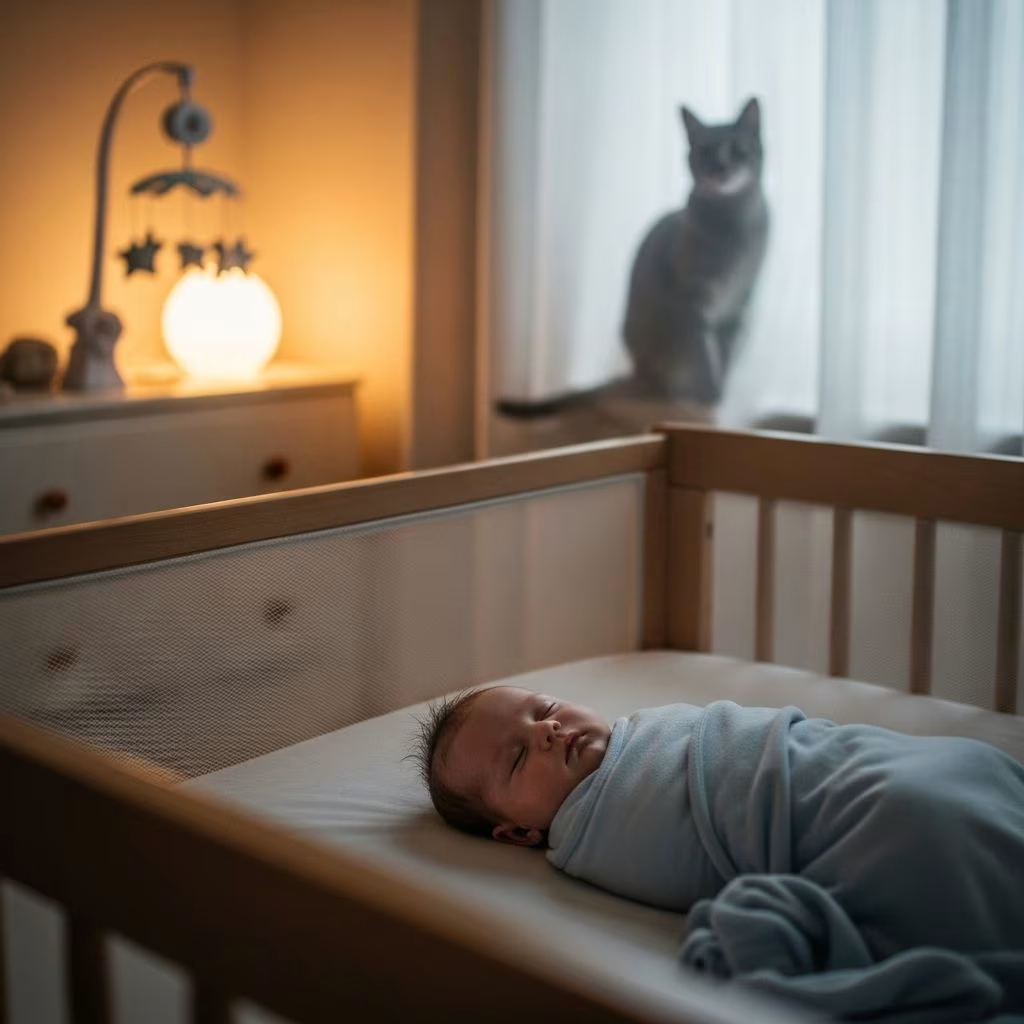
In households blending feline companions with newborns, maintaining a secure sleeping environment is paramount. Cats often seek warm, enclosed spots like cribs or bassinets, potentially disrupting infant rest or posing risks. This guide outlines practical, humane solutions to safeguard your baby’s space without compromising pet-family bonds.
Understanding Feline Behavior Around Infants
Cats are drawn to cribs due to their warmth from body heat, soft bedding, and elevated positions mimicking safe perches. Infants emit scents and sounds that intrigue curious pets, leading to unwanted visits during naps or nights. While most cats pose no direct threat, preventing access minimizes allergies, hair ingestion, or accidental disturbances.
Observe your cat’s habits pre-baby arrival. Persistent crib loungers require proactive measures. Experts note cats avoid unstable or unfamiliar textures, informing many deterrence tactics.
Physical Barriers for Immediate Protection
Installing barriers offers the simplest first line of defense, blocking access while allowing visibility.
- Crib and Bassinet Nets: Opt for lightweight mesh canopies designed for infant beds. These permit airflow essential for safe sleep, unlike heavy fabrics that trap heat or restrict breathing. Models with zippers enable easy access for parents. Products like universal dome nets fit various sizes, ensuring taut installation to deter climbing.
- Room Access Controls: Close nursery doors firmly, checking for hidden cats first. Install baby gates or breathable screens for supervised viewing, fostering gradual acclimation without direct contact.
Begin setups weeks before birth to establish boundaries early.
Technology-Driven Deterrents
Modern tools provide vigilant oversight and instant responses.
| Method | Benefits | Considerations |
|---|---|---|
| Video Baby Monitors | Remote viewing via WiFi or dedicated units; silent cat detection | Not ideal for constant night checks; pair with alarms |
| Motion Detector Alarms | Sprays air or beeps on entry; trains avoidance | Use pre-baby; adjustable sensitivity avoids false triggers |
| Scat Mats | Mild static pulses condition no-go zones | Place at crib edges or doorways; safe for repeated use |
WiFi monitors shine for daytime mobility, while motion devices excel in training phases.
Sensory Repellents and Training Hacks
Exploit cats’ dislikes for non-invasive repulsion.
- Texture Aversions: Line mattresses with crinkly aluminum foil or sticky double-sided tape pre-arrival. The noise and feel startle cats, associating cribs with discomfort after repeated exposures. Remove before baby use.
- Motion and Vibration: Activate bassinet rockers or vibrators during conditioning. Unsteady surfaces discourage settling, extending to post-baby routines for reinforcement.
Consistency yields results within days; combine with positive reinforcement elsewhere.
Creating Alternative Spaces for Your Cat
Redirect instincts by offering appealing alternatives.
- Position elevated cat trees or window perches near the nursery for observation.
- Enclose play areas with covered pet pens, allowing proximity without crib access.
- Enhance with heated beds or toys mimicking crib coziness.
This satisfies curiosity, reducing crib appeal over time.
Safe Bassinet and Crib Features to Consider
Select gear with built-in protections.
- Breathable Designs: Mesh-sided bassinets like the Lotus promote ventilation; optional netting adds cat-proofing without airflow compromise.
- Adjustable and Portable: Models with rocking, height tweaks, and travel bags suit dynamic families.
- Maintenance Ease: Machine-washable covers simplify hygiene amid pet hair.
Verify compatibility with safety standards before purchase.
Step-by-Step Implementation Plan
- Pre-Birth Prep (4-6 Weeks Out): Install nets, scat mats, foil; run rockers daily.
- Training Phase: Use monitors and alarms; restrict room access.
- Baby Arrival: Supervise all interactions; maintain barriers.
- Ongoing Monitoring: Reward cat compliance; adjust as needed.
Track progress via logs to refine approaches.
Health and Safety Essentials
Beyond deterrence, address broader risks. Cats can carry toxoplasmosis or allergens; regular vet checks and litter hygiene mitigate these. Never leave baby-cat unsupervised. Consult pediatricians on pet integration.
Ensure nets are detachable for emergencies, prioritizing infant SIDS prevention through firm, bare sleep surfaces.
Common Myths Debunked
- Myth: Cats Suffocate Babies. Rare; modern homes and vigilance prevent this.
- Myth: Nets Are Unsafe. Mesh types maintain breathability when properly fitted.
- Myth: Cats Instinctively Avoid Babies. Not always; training bridges gaps.
Frequently Asked Questions (FAQs)
Are mesh crib nets safe for newborns?
Yes, when lightweight and bassinet-specific, they ensure airflow unlike heavy blankets.
How effective are motion alarms against cats?
Highly, as startling bursts teach avoidance without harm; ideal for persistent pets.
Can I use foil long-term in a crib?
No, only pre-baby for conditioning; remove to avoid ingestion risks.
What if my cat ignores deterrents?
Combine methods, provide alternatives, and consider professional trainers.
Do vibrating bassinets fully prevent cat entry?
They deter but pair with barriers for reliability.
Long-Term Harmony in Pet-Newborn Homes
Patience fosters coexistence. Gradual introductions post-deterrence build trust. Enrich cat environments to curb boredom-driven behaviors. Families report success blending vigilance with affection, yielding peaceful nights for all.
References
- How to Keep Your Cat Out of Your Baby’s Crib & Bassinet — WonderBaby.org. Accessed 2026. https://www.wonderbaby.org/articles/cat-cover-for-bassinet
- How to Keep Cats Out of Baby Cribs — Mom.com. Accessed 2026. https://mom.com/kids-2/how-keep-cats-out-baby-cribs
- Crib Nets Keep Cats — Walmart.com. Accessed 2026. https://www.walmart.com/c/kp/crib-nets-keep-cats



