

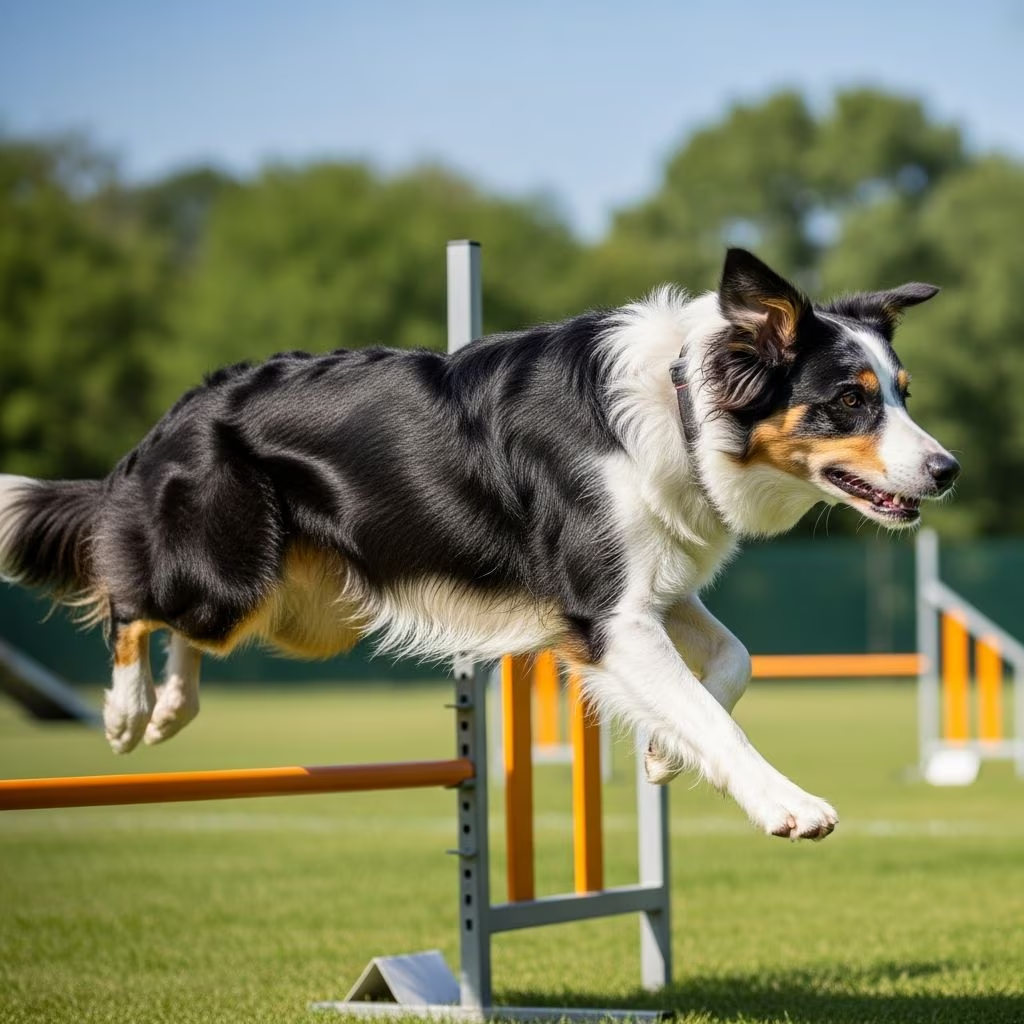
Active dogs participating in sports such as agility, weight pulling, or disc dog events demand rigorous physical preparation to perform optimally while avoiding injuries. Proper conditioning builds strength, flexibility, and endurance, forming the foundation for a long, healthy athletic career. This comprehensive guide explores tailored approaches to prepare dogs for high-intensity activities, drawing on principles of canine rehabilitation and sports medicine.
Understanding the Needs of Sporting Canines
Dogs engaged in competitive sports face unique physical stresses that everyday exercise cannot fully address. Unlike casual play, sports like agility require explosive speed, sharp turns, and repeated jumps, which strain muscles, joints, and ligaments if not properly conditioned. Core stability, often overlooked, plays a pivotal role in maintaining balance during dynamic movements. Dogs with strong abdominal and back muscles recover faster from missteps and landings, reducing the likelihood of sprains or tears.
Conditioning programs must account for breed predispositions, age, and current fitness levels. For instance, high-energy breeds like Border Collies excel in agility but benefit from targeted core work, while heavier breeds in weight pulling need emphasis on strength training. A holistic approach integrates endurance, power, and flexibility to create resilient athletes.
Building a Solid Conditioning Foundation
The cornerstone of injury prevention is a progressive conditioning plan that mirrors human athletic training. Begin with a veterinary assessment to evaluate muscle tone, joint mobility, and overall posture. This ensures the program suits the dog’s physical state and identifies any underlying issues.
- Assess baseline fitness: Measure endurance via timed walks or trots, strength through basic lifts, and flexibility with range-of-motion tests.
- Set progressive goals: Increase intensity by 10% weekly to avoid overload.
- Incorporate cross-training: Combine swimming, hiking, and sport-specific drills for balanced development.
Swimming stands out as a low-impact activity that strengthens muscles without joint stress, ideal for building cardiovascular endurance. Hiking on varied terrain enhances proprioception—the dog’s awareness of body position—crucial for navigating obstacles.
Sport-Specific Training Strategies
Different canine sports demand distinct physical attributes. Tailor conditioning to match these requirements for maximum efficacy.
| Sport | Key Demands | Recommended Conditioning Focus |
|---|---|---|
| Agility | Speed, flexibility, quick direction changes | High-intensity intervals, flexibility stretches, low-height jumps |
| Weight Pulling | Strength, power | Short bursts of resistance, core strengthening, weight vest walks |
| Sled Pulling/Skijoring | Endurance | Long-duration cardio, hill climbs, steady-state trotting |
| Disc Dog | Explosive jumps, aerial awareness | Plyometrics, balance exercises, sprint drills |
For agility dogs, incorporate low jumps and weave pole simulations at reduced speeds to build muscle memory without fatigue. Weight-pulling participants thrive on harness drags with gradually increasing resistance, fostering powerful hindquarters and stable shoulders.
Essential Warm-Up and Cool-Down Protocols
Neglecting warm-ups leads to muscle strains, as cold tissues lack the elasticity for sudden demands. A proper routine increases blood flow, lubricates joints, and prepares the nervous system.
- Light aerobic activity (5-10 minutes): Brisk walking or trotting elevates heart rate.
- Dynamic movements: Gentle circles with limbs or head tilts to engage muscles actively.
- Sport simulation: Slow-motion versions of jumps or turns.
Cool-downs prevent lactic acid buildup and aid recovery. Follow intense sessions with 10 minutes of walking, transitioning to passive stretches. In colder weather, extend warm-ups to account for stiffened muscles.
Core Strength and Flexibility Exercises
Core muscles stabilize the spine and pelvis, essential for all sports. Simple exercises yield significant gains when performed consistently.
- Head lifts: Lure the dog’s nose upward while standing on all fours; hold for 5-10 seconds, repeat 5 times. This engages neck and abdominal muscles.
- Balance board work: Encourage standing on unstable surfaces to improve proprioception.
- Side planks: Support the dog to hold a side-lying position, targeting obliques.
Flexibility routines involve passive range-of-motion (PROM) stretches. With the dog relaxed and lying down, gently extend each limb to mild tension, holding for 30 seconds per repetition. Perform 4-5 sets per session, focusing on shoulders, hips, and stifles. Always precede with light activity for optimal results.
Advanced Rehabilitation Techniques
Incorporate therapeutic modalities for elite preparation. Thermotherapy, like warm compresses, relaxes tissues before stretching. Massage improves circulation and releases knots, while tools like peanut balls aid in targeted pressure.
Periodization—cycling intensity through build, peak, and recovery phases—prevents burnout. For competition prep, reduce volume two weeks prior to sharpen speed without fatigue.
Nutrition and Recovery for Peak Performance
Fuel conditioning with a diet rich in high-quality proteins, omega-3s for joint health, and antioxidants to combat inflammation. Hydration is critical; offer water before, during, and after sessions.
Monitor for overtraining signs: lethargy, limping, or behavioral changes. Rest days are non-negotiable, allowing tissue repair. Supplements like glucosamine may support joints, but consult a vet first.
Common Injuries and Prevention Tips
Sprains, tendonitis, and iliopsoas strains plague sporting dogs. Prevention hinges on balanced training.
- Avoid repetitive drills without variety.
- Use proper equipment, like well-fitted harnesses.
- Schedule regular vet check-ups for early detection.
If injury occurs, prioritize rest and professional rehab over pushing through pain.
FAQs
How often should I condition my sporting dog?
4-5 days per week, with rest days for recovery. Adjust based on age and intensity.
Can puppies participate in conditioning?
Yes, but focus on fun, low-impact activities until skeletal maturity around 18 months.
What if my dog resists stretches?
Use high-value treats and keep sessions short. Ensure relaxation first.
Is swimming suitable for all breeds?
Most yes, but brachycephalic breeds need supervision to avoid overheating.
How do I know if conditioning is working?
Track improvements in endurance, reduced fatigue, and confident movement.
References
- Canine Sports Medicine Part 1: Peak Performance & Injury Prevention — Canine Rehab OC. 2023. https://www.caninerehaboc.com/post/csm-part1
- Preventing Injuries — Clean Run. 2022. https://www.cleanrun.com/feature/preventing_injuries/index.cfm
- 6 Tips for Performance Dog Injury Prevention — Florence Animal Hospital. 2024. https://florenceah.com/6-tips-for-performance-dog-injury-prevention/
- Strength and Conditioning for Sport Dogs — Rocky Mountain Veterinary Rehabilitation. 2023. https://rockymountainvetrehab.com/sport-dogs/
- Injury Prevention Tips — McIntyre Canine Rehabilitation. 2021. http://www.mcrehabilitation.com/uploads/1/1/5/8/115826051/injury_prevention_tips.pdf



