

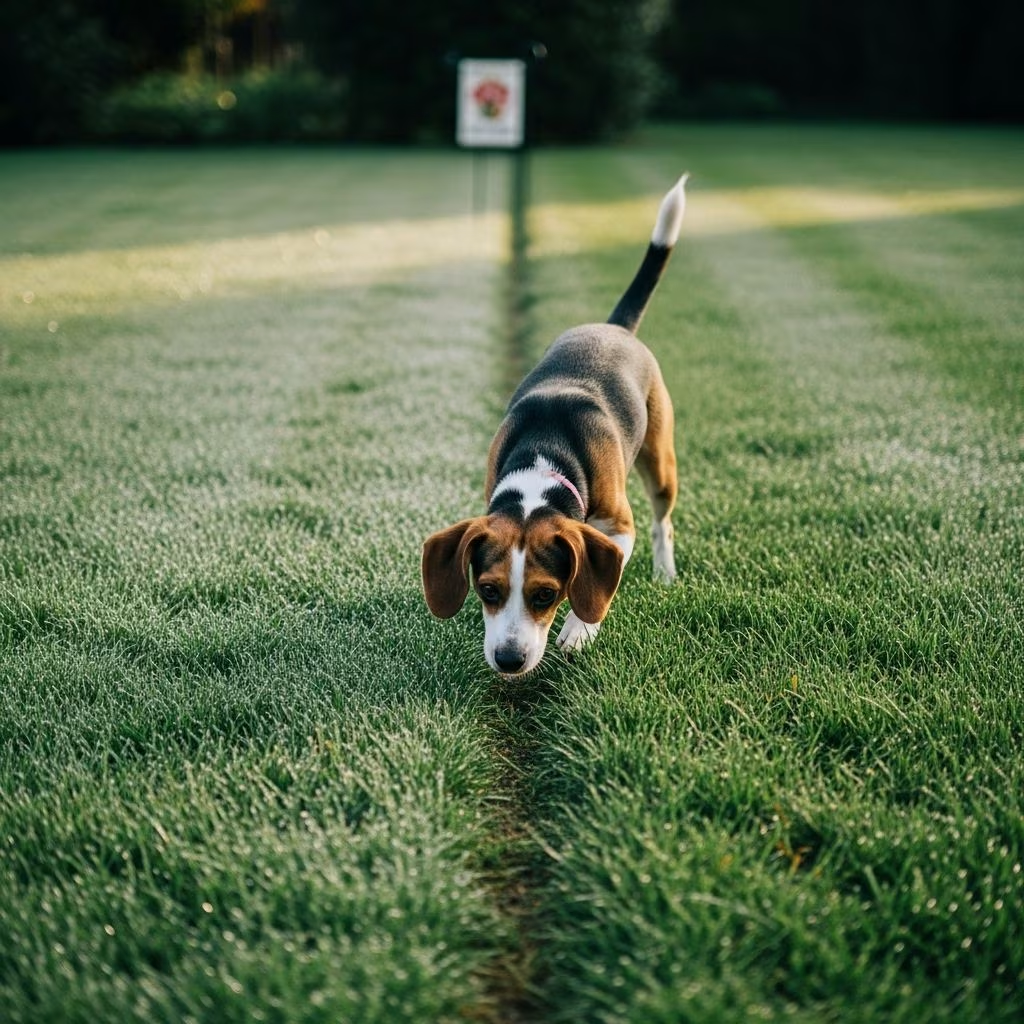
Your lawn represents hours of care and effort, yet neighborhood dogs can quickly turn it into their playground or bathroom. Urine spots, dug-up patches, and scattered waste damage grass and plants while posing health risks. Fortunately, numerous humane strategies exist to discourage dogs from entering your property. This guide details physical barriers, sensory deterrents, natural plant options, commercial products, and community approaches to restore peace to your outdoor space.
Understanding Why Dogs Target Your Yard
Dogs are drawn to yards for exercise, scent marking, or relief. Open grass mimics natural elimination spots, while soft soil invites digging. Male dogs often lift legs on trees or shrubs to claim territory, killing vegetation with concentrated urine. Females may squat in flowerbeds. Recognizing these behaviors helps tailor defenses. Start by observing patterns—note entry points and frequent zones—to focus efforts efficiently.
Physical Barriers: The First Line of Defense
Nothing blocks access like a solid obstacle. Fences provide long-term reliability, though costs vary by material and height.
- Wooden or Vinyl Fences: Sturdy options reaching 4-6 feet deter most jumpers. Opt for solid panels over picket styles to block visibility and digging underneath.
- Chain Link with Extensions: Add coyote rollers or L-foot extensions at the base to prevent climbing or burrowing.
- Temporary Netting: Plastic mesh or poultry wire works for gardens or rentals. Bury edges 6-12 inches deep and stake securely.
For smaller areas, thorny hedges like rose bushes or holly create natural walls. These puncture paws without injury, training dogs to avoid the zone.
Motion-Activated Water Devices
Technology offers hands-free protection. Motion-sensor sprinklers detect movement and unleash short bursts of water, startling intruders harmlessly.
- Models cover 1,000-5,000 square feet with adjustable ranges.
- They activate day or night, conserving water via brief sprays.
- Bonus: They also repel deer, rabbits, and raccoons.
Position units at entry points or problem spots. Solar-powered versions eliminate wiring hassles. Users report near-100% success after initial surprises condition dogs to steer clear.
Natural Plant Deterrents
Landscaping with dog-repelling flora adds beauty and function. Dogs’ sensitive noses reject strong scents or textures.
| Plant | Why It Works | Best Placement |
|---|---|---|
| Lavender | Overpowering aroma overwhelms canine senses | Borders, pathways |
| Citronella | Lemony scent repels like mosquito plants | Garden edges, pots |
| Rue | Bitter smell and taste | Near trees, shrubs |
| Thorny Shrubs (e.g., Barberry) | Physical discomfort | Perimeter hedges |
Plant densely around vulnerable areas. Combine with mulch for double protection—pine bark’s sharpness discourages digging paws.
DIY Repellent Recipes
Budget-friendly sprays leverage household items dogs dislike: acidic, spicy, or pungent odors.
Vinegar Barrier Spray
Mix equal parts white vinegar and water. Add dish soap for sticking power. Apply undiluted vinegar around perimeters for an invisible fence effect. Reapply after rain; dogs sniff once and retreat.
Citrus and Pepper Mix
- Boil peels from 4 oranges/lemons in 1 gallon water.
- Strain, add 2 tbsp cayenne pepper and 1 tbsp dish soap.
- Spray on grass, trees, beds. Refresh weekly.
Baking Soda Neutralizer
For urine damage: 1 cup baking soda per gallon water. Douse spots twice weekly to neutralize ammonia and deter remarking.
Caution: Test on inconspicuous areas to avoid plant burn. These work best combined with barriers.
Commercial Repellents and Gadgets
Ready-made products offer convenience and potency. Granular formulas with garlic, oils, or capsaicin coat lawns at 1 lb per 25 sq ft initially, then 1 lb per 100 sq ft maintenance.
- Sprays: Liquid versions for trees/flowers; reapply post-rain.
- Granules: Rake into soil for digging zones; lasts 1-3 weeks.
- Ultrasonic Devices: Emit high-frequency sounds inaudible to humans upon motion trigger. Mount on fences; effective for small yards.
Choose pet-safe, non-toxic options. Heavy initial applications break habits faster.
Addressing Specific Problem Areas
Lawn Protection
Blanket grass with repellents. Focus on edges where dogs enter. Motion sprinklers excel here for broad coverage.
Tree and Shrub Defense
Circle bases with 3-foot granular bands. Spray trunks. Urine kills bark on young trees, so act swiftly.
Flowerbed Safeguards
Mix granules into topsoil/mulch. Spray foliage. Thorny borders add layers.
Digging Hotspots
Bury flat rocks, chicken wire, or citrus peels 2 inches deep. Cover with soil; discomfort redirects digging elsewhere.
Engaging Neighbors Politely
Many issues stem from loose pets. Approach owners calmly: “I’ve noticed your dog visits my yard—any tips to redirect?” Offer solutions like designated relief zones. If unresponsive, note local leash laws (often requiring restraint off-property). Document incidents for animal control if persistent.
Long-Term Maintenance Tips
- Repair damage promptly—healthy grass resists invasion.
- Alternate methods to prevent adaptation.
- Monitor weather; rain washes away scents, needing reapplication.
- Train your own dog if applicable: Designated potty areas reinforce boundaries.
FAQs
Are these methods safe for dogs?
Yes, all recommended options are humane and non-toxic, focusing on discomfort or surprise rather than harm.
How long until results show?
Most see improvement in days with consistent use; barriers offer instant effects.
What if dogs keep coming despite efforts?
Layer methods (e.g., fence + spray) and involve authorities for stray/nuisance cases.
Can I use these on my own dog?
Absolutely, but pair with positive training for best obedience.
Do motion sprinklers waste water?
Minimal—10-20 second bursts use pennies per activation.
Conclusion: Reclaim Your Yard Today
Combining barriers, tech, plants, and repellents creates an impenetrable defense. Start small, scale as needed, and enjoy a dog-free lawn that thrives. Patience yields lasting results.
References
- How to Keep Dogs off Your Lawn — J.H.C. Landscaping Inc. 2023. https://jhc-landscaping.com/how-to-keep-dogs-off-your-lawn/
- Effective Tips to Repel Dogs and Cats — I Must Garden. 2024. https://www.imustgarden.com/repel-dogs
- 7 Tips to Stop Your Dog from Digging Up the Yard — Rover.com. 2023. https://www.rover.com/ca/blog/how-to-stop-dog-digging/
- How to Keep Dogs Out of Your Yard — Instructables. 2022. https://www.instructables.com/How-To-Keep-Dogs-Off-Your-Lawn-Or-Anywhere-Else/



