

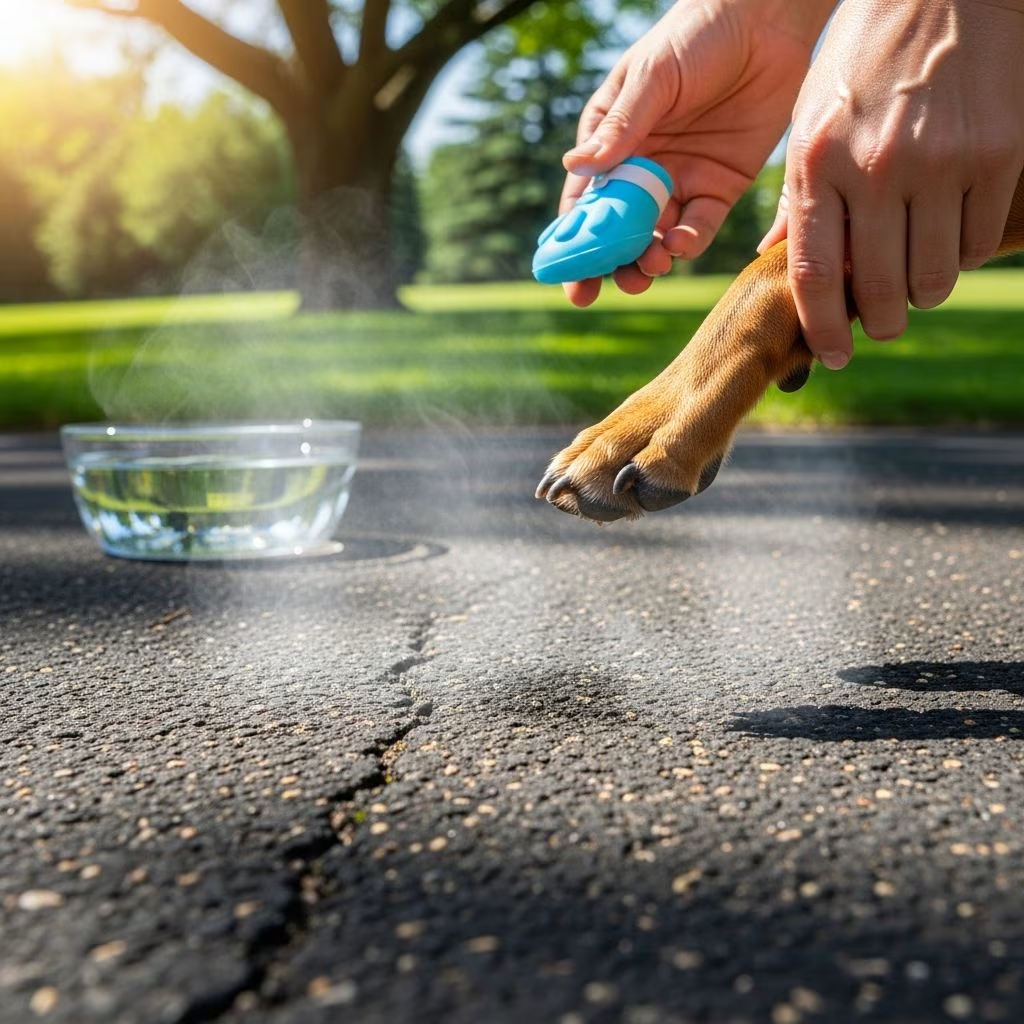
Protect Your Pet’s Paws from Heat: A Comprehensive Summer Safety Guide
Summer brings warm sunshine, outdoor adventures, and quality time with your furry companion. However, rising temperatures pose a significant threat to one of the most vulnerable parts of your dog’s body: their paws. While dog paw pads are remarkably durable structures designed to absorb shock from running, jumping, and walking, they are far from invulnerable to heat damage. Understanding the risks and implementing protective strategies ensures your canine friend can safely enjoy the warm season without suffering painful burns or injuries.
Understanding the Danger: Why Hot Pavements Threaten Your Dog’s Paws
Your dog’s paw pads contain nerve endings and blood vessels that serve important functions in regulating temperature and detecting environmental stimuli. However, this same sensitivity that helps your dog navigate their surroundings also makes paws extremely vulnerable to extreme heat exposure. On scorching summer days, heat-absorbing surfaces like asphalt, concrete, and metal can reach temperatures exceeding 120°F—far hotter than the ambient air temperature would suggest. When bare paws make contact with these superheated surfaces, damage can occur within mere seconds, resulting in burns, blistering, and peeling that cause significant pain and can sideline your pet for weeks.
The danger intensifies when you consider that pavement and concrete can become dangerously hot long before it feels unbearably hot to you. Many pet owners underestimate the temperature of walking surfaces on what feels like a pleasant summer day, not realizing that surfaces in direct sunlight can exceed safe temperature thresholds even when air temperatures seem moderate.
The 7-Second to 10-Second Test: Your Simple Safety Tool
Determining whether a surface is safe for your dog’s paws requires more than guesswork. Fortunately, there’s a simple, reliable method: the heat test. To check if pavement or another surface is too hot for your pup, place the back of your hand against the surface in question. If you cannot comfortably hold your hand there for at least 7 to 10 seconds without experiencing discomfort, the surface is too hot for your dog’s sensitive paw pads. This straightforward test provides an immediate assessment without requiring a thermometer or technical knowledge.
According to veterinary experts, if the temperature outside is 85 degrees Fahrenheit or higher without adequate opportunity for pavement to cool down, ground surfaces may pose a risk to your dog’s paws. By regularly performing this simple test during your outings, you can make informed decisions about where and when to walk your dog.
High-Risk Hot Surfaces to Avoid
Not all surfaces present equal risks during summer heat. Some materials absorb and retain heat more aggressively than others, creating particularly dangerous conditions for your dog’s paws. Understanding which surfaces pose the greatest threat helps you plan safer routes for daily walks and outdoor activities.
Asphalt and Concrete
Asphalt and concrete are among the most common heat-absorbing surfaces that dogs encounter daily. Both materials readily absorb solar radiation and retain heat intensively, especially when exposed to direct sunlight. Even on days when outdoor temperatures feel tolerable, these surfaces can reach temperatures well beyond 100°F, creating conditions ripe for paw pad burns.
Metal Surfaces
Metal surfaces present particular hazards due to their exceptional heat conductivity and retention capabilities. Common metal surfaces that dogs—particularly those in urban environments—may encounter include:
- Manhole covers and utility access lids: Frequently found on sidewalks and streets, these metal covers absorb and retain substantial amounts of heat, especially in direct sunlight.
- Storm drain grates and sewer grates: Located along curbs or in parking lots, these metal surfaces can become extremely hot and may also trap paws if spacing between bars is too wide.
- Metal stairs and ramps: Urban environments often feature metal stairs or ramps leading to entrances; these structures heat rapidly and can cause burns during brief contact.
- Car bumpers and parked vehicles: Metal components of parked cars can reach dangerous temperatures, particularly in full sun.
Strategic Walking and Activity Planning
One of the most effective ways to protect your dog’s paws from heat damage involves strategic scheduling and route selection. By timing your outdoor activities for cooler periods and choosing safer walking surfaces, you significantly reduce burn risks.
Walk During Cooler Hours
Plan your walks and playtime during the cooler parts of the day—early morning or evening hours. During these times, pavement and other surfaces have had opportunity to cool from overnight temperatures or from lack of direct sunlight, making them safer for extended paw contact. Many dogs actually prefer early morning or evening walks anyway, as they avoid the most intense heat of midday.
Choose Optimal Routes
When possible, plan your walking routes along shaded areas and avoid surfaces exposed to intense, direct sunlight. Instead of sidewalks and roads, opt for grass or dirt trails whenever feasible. Parks with natural ground cover, tree-shaded neighborhoods, and woodland paths provide safer alternatives to urban pavement while offering your dog a wider range of sights and smells to explore.
Physical Barriers: Protective Gear for Your Dog
When avoiding hot surfaces isn’t entirely possible, protective equipment creates physical barriers between your dog’s sensitive paws and dangerous surfaces.
Dog Booties and Shoes
Dog booties represent one of the most effective protective tools available to pet owners. Quality booties should feature several key characteristics:
- Lightweight construction that doesn’t burden your dog
- Breathable materials that allow air circulation and prevent moisture accumulation
- Non-slip soles for traction on various surfaces
- Snug fit without restricting movement or circulation
- All-natural materials that keep moisture out while allowing airflow
Many dogs feel awkward wearing booties initially, but with patience, practice, and positive reinforcement at home, most dogs adjust well and tolerate them comfortably. Some booties even provide the bonus of improved traction on slippery, shaded spots—an advantage during transitions between sunny and shaded areas.
Paw Wax and Protective Balms
Non-toxic paw wax and protective balms offer another layer of defense against heat damage. When applied, these products moisturize and soothe paw pads while forming a breathable barrier that protects against hot surfaces. Additionally, keeping paw pads adequately moisturized through regular application of these products helps prevent cracking, which makes pads more susceptible to burns from hot pavement.
Carrying Your Dog When Necessary
For certain unavoidable situations—such as crossing a hot parking lot to reach a veterinary appointment or climbing metal steps to your apartment—carrying your dog provides immediate protection. While this option works best for small and toy breed dogs as well as puppies, owners of larger dogs can lay down a towel, cooling mat, or use temporary paw covers to protect their feet during brief transitions across hot surfaces.
Grooming Practices for Summer Paw Protection
Proper grooming becomes exceptionally important during warm weather months. One often-overlooked aspect involves the fur growing between paw pads. During summer, dogs are more likely to walk on hot surfaces, play in water, or run through grass and dirt. If fur between paw pads becomes long or matted, it can:
- Hold heat absorbed from pavement
- Retain moisture from puddles or sprinklers
- Collect small particles like gravel, burrs, or plant material
This combination not only increases discomfort and friction while walking but can also lead to skin breakdown, fungal infections, or painful hot spots between the toes. Regular trimming of the fur between paw pads during summer months reduces these risks significantly.
Additionally, keeping your dog’s nails trimmed appropriately supports optimal paw health and function. Proper nail length reduces strain on paw pads and improves overall foot mechanics during walking and running.
Post-Walk Paw Inspection and Care
After outdoor activities, make a habit of examining your dog’s paws carefully. Look for:
- Red or raw patches on paw pads
- Blisters or peeling skin
- Signs of pain or limping
- Debris, burrs, or thorns lodged between toes
- Excessive moisture or signs of fungal infection
Rinse paws with cool water after outdoor activities to remove dirt, salt, or other irritants. Pay special attention to the areas between toes and pads where moisture and debris often accumulate. Dry paws thoroughly to prevent moisture-related issues.
Recognizing and Managing Paw Pad Burns
Despite your best protective efforts, accidental exposure to hot surfaces can occur. Recognizing the signs of paw pad burns enables prompt intervention.
Signs of Paw Pad Burns
If your dog has suffered paw pad burns from hot pavement, they may display:
- Reluctance to walk or bearing weight on affected paws
- Visible redness, blisters, or peeling of pad skin
- Excessive licking or chewing at paws
- Limping or altered gait
- Signs of pain when paws are touched
Immediate Care Steps
If your dog experiences paw pad burns, cool the affected paws under slow running water—ensuring the water is not ice-cold. Bandage each affected paw or protect it with a temporary covering to prevent further injury and allow healing. Seek veterinary attention, as severe burns may require professional treatment to prevent infection and ensure proper healing.
Special Considerations for Vulnerable Dogs
Certain dogs face elevated risks during hot weather. Puppies have particularly sensitive young paws that burn more easily than those of adult dogs. Small and short-legged breeds absorb heat more readily from hot ground surfaces due to their proximity to pavement. Flat-faced breeds, including Bulldogs and Pugs, heat up faster overall and face compounded risks from both ground temperature and heat stress. Senior dogs with compromised mobility or existing paw conditions require extra vigilance and protection.
Frequently Asked Questions
Q: What temperature is considered safe for walking my dog?
A: In general, a moderate 70 degrees Fahrenheit works well for most dogs. Temperatures of 85 degrees Fahrenheit or higher without opportunity for pavement to cool may pose risks. Always use the 7-10 second hand test to assess specific surfaces.
Q: How long does it take for a dog’s paw pads to burn on hot pavement?
A: Damage can occur within seconds when bare paws contact extremely hot surfaces like asphalt or concrete exceeding 120°F.
Q: Are all dog booties effective for heat protection?
A: Quality matters significantly. Choose booties that are lightweight, breathable, non-slip, and made from all-natural materials. Proper fit is essential—booties should be snug without restricting movement.
Q: Can I use human sunscreen on my dog’s paws?
A: No. Use only products specifically formulated for dogs. Pet-specific paw waxes and balms are designed to be safe if ingested during normal grooming.
Q: What should I do if my dog’s paws get burned?
A: Cool the paws under slow running water (not ice-cold), bandage them, and seek veterinary attention to prevent infection and ensure proper healing.
Q: Are artificial grass and synthetic surfaces safer than asphalt?
A: Artificial grass can also become incredibly hot and cause discomfort, blisters, and burns to paw pads. Always test artificial surfaces using the hand test method before allowing your dog to walk on them.
References
- Avoiding Burnt Dog Paws: How to Care for Your Pup’s Paws in the Summer Heat — Paws in Paradise Animal Hospital. Accessed 2025. https://www.pawsinparadiseanimalhospital.com/services/dogs/blog/avoiding-burnt-dog-paws-how-care-your-pups-paws-summer-heat
- Protect Those Paws: Summer Safety Tips for Dogs in the Heat — Florida Animal Friend. Accessed 2025. https://floridaanimalfriend.org/blog-post/protect-those-paws-summer-safety-tips-for-dogs-in-the-heat/
- How to Protect Dog Paws From Hot Pavement, Sidewalks — American Kennel Club (AKC). Accessed 2025. https://www.akc.org/expert-advice/health/dog-paws-hot-pavement/
- How to Protect Dog Paws in Summer — PetMD. Accessed 2025. https://www.petmd.com/dog/general-health/how-to-protect-dog-paws-summer
- How to Protect Your Dog’s Paws From Hot Pavement — Freshpet. Accessed 2025. https://www.freshpet.com/blog/how-to-protect-your-dogs-paws-from-hot-pavement
- Preventing Dog Paw Injuries in the Heat, Wet and Cold — Mud Bay. Accessed 2025. https://blog.mudbay.com/blog/prevent-dog-paw-injuries/
- Hot Asphalt – A Danger to Your Dog’s Paws — Four Paws USA. Accessed 2025. https://www.fourpawsusa.org/our-stories/publications-guides/hot-asphalt-a-danger-to-your-dogs-paws



