

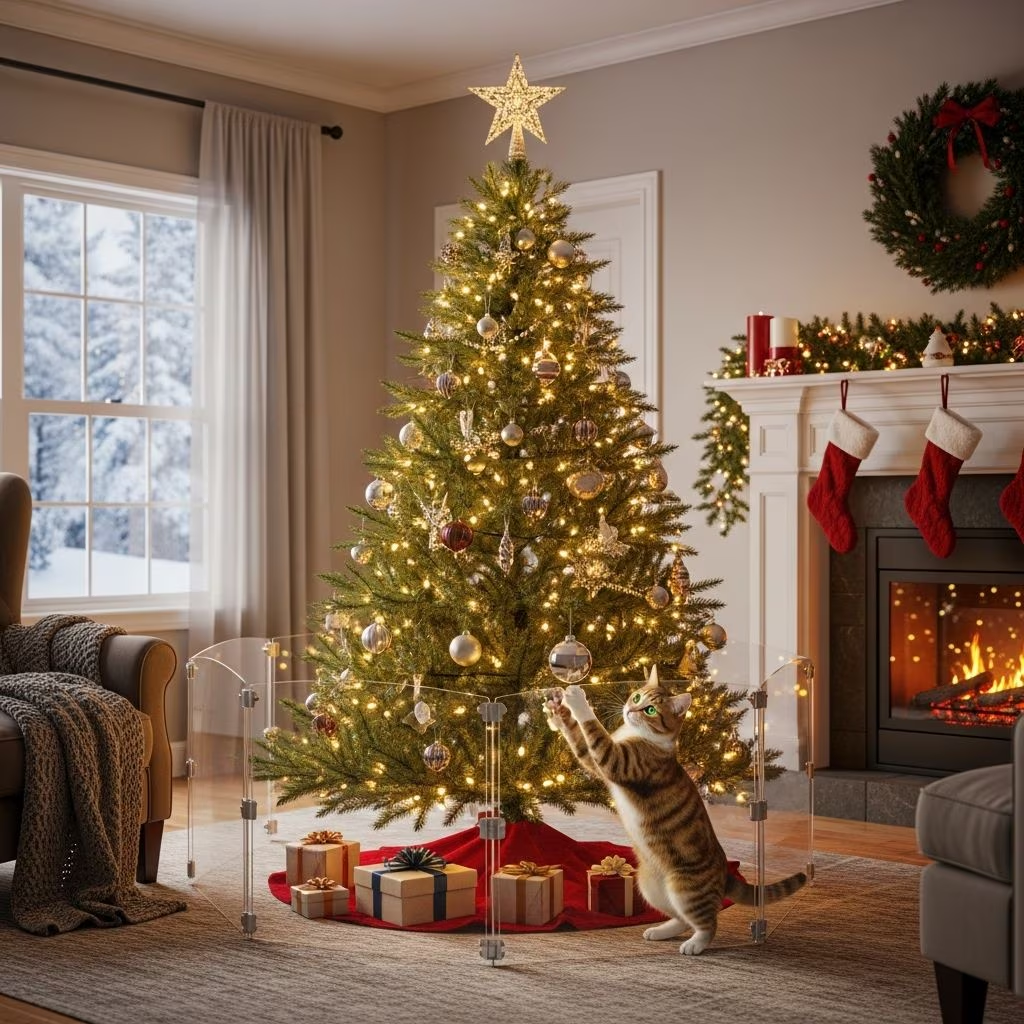
The holiday season brings joy and festive cheer to homes everywhere, but for cat owners, decorating the Christmas tree can present unique challenges. Cats are naturally drawn to the bright lights, dangling ornaments, and unusual textures that make a Christmas tree so appealing to humans—and unfortunately, equally tempting to feline companions. Rather than abandoning your holiday traditions, understanding how cats interact with Christmas trees allows you to create a safe and beautiful celebration that protects both your decorations and your beloved pet.
Understanding Why Cats Are Attracted to Christmas Trees
Before implementing protective measures, it helps to understand what makes Christmas trees so irresistible to cats. Trees represent a vertical climbing structure that appeals to a cat’s natural instincts. The branches provide perches and hiding spots, while ornaments and lights offer visual and tactile stimulation. Tinsel and ribbons move enticingly, triggering hunting behavior. Even the water at the base of a live tree can attract curious cats seeking refreshment, unaware of the potential dangers lurking in the basin.
Young kittens are especially vulnerable to tree-related accidents because of their playful, exploratory nature. However, adult cats can be equally problematic, viewing the tree as an exciting playground during the quieter winter months when outdoor entertainment options are limited.
Strategic Placement: The Foundation of Tree Safety
The location where you position your Christmas tree significantly impacts your ability to keep it cat-safe. Placement strategy should be your first consideration when planning holiday decorations.
Choosing an Isolated Location
Position your tree away from furniture that could serve as launching pads for your cat. Cats are excellent jumpers and will use couches, chairs, tables, and bookshelves to gain elevation before pouncing onto the tree. Similarly, cat furniture, scratching posts, and wall-mounted shelves should not be positioned nearby. If possible, create a dedicated space for your tree in an open area where climbing access is naturally limited.
Ideal locations include corners of rooms without adjacent furniture or spaces where you can create a buffer zone around the tree’s perimeter. This might mean temporarily relocating other items to reduce temptation.
Containment Through Room Access Control
When feasible, set up your tree in a room that can be closed off when you’re unable to supervise. A baby gate or pet gate provides a less restrictive alternative if you want visual access while preventing cat entry. This approach requires discipline but offers the most reliable protection, particularly during decoration installation or when you’re away from home.
Securing the Base: Preventing Toppling Disasters
An unstable tree invites investigation and climbing. A sturdy, heavy-duty tree stand forms the foundation of any cat-proofing strategy.
Choosing and Securing Your Stand
Invest in a tree stand specifically designed to prevent tipping. Premium stands offer wider bases and superior weight distribution compared to standard models. Regardless of tree type—real or artificial—stability must be non-negotiable.
Beyond selecting a quality stand, consider anchoring your tree to the wall or ceiling using heavy-duty fishing line or clear hooks. This prevents toppling if your cat climbs the trunk or pulls on branches. Fishing line proves particularly effective because it remains virtually invisible while providing substantial support.
Protecting the Water Basin
Real Christmas trees require water, but the basin becomes a hazard. Tree preservatives, fertilizers, pesticides, and other chemical treatments added to tree water can be toxic to cats if ingested. Additionally, stagnant water can harbor bacteria.
Cover the tree base completely using a tree skirt, decorative fence, or metal grid. Ensure your cat cannot push aside the covering or squeeze underneath. This dual-purpose strategy hides the base aesthetically while preventing access to potentially harmful water.
Decoration Safety: Choosing Cat-Friendly Alternatives
The ornaments and decorative elements you select directly impact your cat’s safety. Traditional Christmas decorations often pose serious hazards.
Ornament Selection Guidelines
| Decoration Type | Risk Level | Recommended Alternative |
|---|---|---|
| Glass ornaments | High – shatters into sharp pieces | Plastic or wooden ornaments |
| Tinsel | High – causes intestinal blockage if ingested | Paper bows or fabric garlands |
| Long ribbons | High – choking and ingestion hazard | Short, securely fastened fabric pieces |
| Tiny decorations | High – easily swallowed | Larger ornaments (>1 inch diameter) |
| Fake snow (flocking) | High – toxic to cats | Real pine branches or fabric draping |
| Reflective ornaments | Medium – attracts pouncing behavior | Matte-finish or wooden ornaments |
Strategic Ornament Placement
Position fragile items and sentimental decorations at the uppermost portions of your tree, well beyond your cat’s reach. Lower branches should feature only plush, soft ornaments that cannot cause injury if accidentally ingested. Secure all ornaments firmly using metal clamp-style hooks or quality wire hangers rather than strings, ribbons, or rubber bands—these dangling attachments resemble toys and encourage batting behavior.
After hanging each ornament, give it a firm tug to verify security. An ornament that moves freely will fall prey to a curious cat’s paw.
Electrical Safety: Protecting Against Wire Hazards
Christmas lights create magical ambiance but pose electrocution and chewing hazards for cats. Proper wire management is essential.
Securing Electrical Cords
Avoid dangling wires that tempt cats to chew. Wrap light strings tightly around tree branches, securing excess cord along the trunk rather than leaving it loose. Tape down wires at multiple points to eliminate movement and reduce temptation.
Cover exposed wires with protective tubing or cord covers designed for pet environments. These barriers prevent direct contact with electrical components while maintaining functionality.
Alternative Lighting Solutions
Battery-operated LED lights eliminate electrical hazards entirely while maintaining the festive aesthetic. These alternatives produce minimal heat, reducing burn risk if a cat makes contact. Consider this option if you have particularly curious or destructive pets.
Never leave lights plugged in when you’re away or unable to supervise. Unplugging the tree before bed or during work hours removes risk during unsupervised periods.
Natural Deterrents: Making the Tree Less Appealing
Beyond physical barriers, natural deterrents leverage cats’ sensory preferences to discourage tree interaction.
Scent-Based Deterrents
Cats naturally avoid certain scents. Citrus, lavender, and peppermint are particularly effective.
- Place fresh citrus peels (orange or lemon) around the tree base, replacing them as they dry
- Spray citrus-scented deterrent products on lower tree branches and the tree skirt
- Apply lavender-infused cotton balls near vulnerable decorations
- Use peppermint essential oil diluted with water in a spray bottle
Tactile Deterrents
Cats dislike certain textures underfoot. Aluminum foil wrapped around the tree trunk creates an unpleasant surface for climbing. The texture and noise produced when a cat’s claws contact foil often discourages repeated attempts.
Similarly, double-sided tape applied to the tree base, trunk, and lower branches creates an adhesive surface cats find unpleasant. These are humane solutions that don’t harm pets—they simply make the tree uninviting.
Creating Positive Alternatives: The Cat Christmas Tree
Rather than relying solely on restriction and deterrence, providing an acceptable alternative tree specifically designed for feline enjoyment can redirect natural instincts constructively.
A dedicated cat Christmas tree—positioned away from your main display tree—might consist of a small table-top tree or even a sturdy cat tree decorated with cat-safe items. Include interactive elements like treat pockets, hanging toys, and safe climbing opportunities. This satisfies your cat’s desire to engage with holiday decorations while preserving your main tree.
Protecting Presents and Gifts
The area beneath your Christmas tree becomes problematic when gifts contain items attractive to cats. Wrapped presents containing treats, catnip, or food items emit tempting odors that cats can detect easily.
- Store wrapped cat treats and catnip gifts in a closed closet until Christmas morning
- Keep wrapped gifts with food items elevated on tables or shelves until Christmas Day
- Avoid using ribbon or bow decorations on gifts—these present choking hazards and encourage play
- Consider gift bags with securely fastened closures rather than wrapped boxes
Tree Type Considerations
Real Versus Artificial Trees
Real trees present different challenges than artificial alternatives. Real trees shed needles that can irritate digestive systems if ingested. Some cats may also be allergic to certain tree species.
Artificial trees eliminate needle-shedding concerns but may be more appealing to cats due to their sturdier branches, which can better support climbing weight. Both types require identical security measures regarding anchoring and base protection.
Tree Size and Scale
Smaller tabletop trees reduce climbing opportunities and present less risk of catastrophic toppling. For households with young kittens or particularly destructive cats, downsizing your tree may provide the holiday aesthetic without excessive safety concerns.
Supervision and Monitoring
Even with comprehensive precautions, active supervision remains important during high-risk periods. Monitor your cat’s interactions with the tree during initial setup and throughout the season. Watch for behavioral patterns indicating increased interest or attempts to climb.
Keep your veterinarian’s contact information readily available. If your cat ingests decorative items or experiences unusual symptoms, prompt professional evaluation becomes necessary.
Frequently Asked Questions
Q: Is my cat likely to climb the Christmas tree?
A: Most cats are attracted to trees due to their natural climbing instincts. Young kittens are particularly prone to climbing. However, individual personalities vary—some cats show little interest while others become obsessed.
Q: What if my cat eats tinsel?
A: Tinsel can cause serious digestive blockages requiring emergency veterinary intervention. If you suspect tinsel ingestion, contact your veterinarian immediately. Symptoms include vomiting, lethargy, and loss of appetite.
Q: Can cats drink Christmas tree water?
A: Tree water contains chemicals and preservatives potentially toxic to cats. Prevent access entirely by covering the water basin securely.
Q: Are Christmas lights safe for cats?
A: Traditional lights present chewing and electrocution hazards. Battery-operated LED lights are safer alternatives, or secure regular lights thoroughly to prevent access.
Creating a Safe Holiday Season
Balancing festive traditions with pet safety requires planning and thoughtful implementation. By addressing placement, decorations, electrical hazards, and deterrents proactively, you create an environment where both your holiday dreams and your cat’s wellbeing coexist peacefully.
The goal isn’t eliminating Christmas joy but channeling it toward celebration strategies that protect your cherished feline companion. With preparation and attention to detail, your home can remain beautifully decorated throughout the season while keeping your cat safe from holiday hazards.
References
- Pet Poison Helpline — ASPCA & Pet Poison Helpline. 2024. https://www.petpoisonhelpline.com
- Common Holiday Hazards for Pets — American Veterinary Medical Association. 2024. https://www.avma.org
- Christmas Tree Safety for Cats — International Cat Care. 2024. https://icatcare.org
- Feline Environmental Enrichment Guidelines — American Association of Feline Practitioners. 2024. https://catvets.com



