

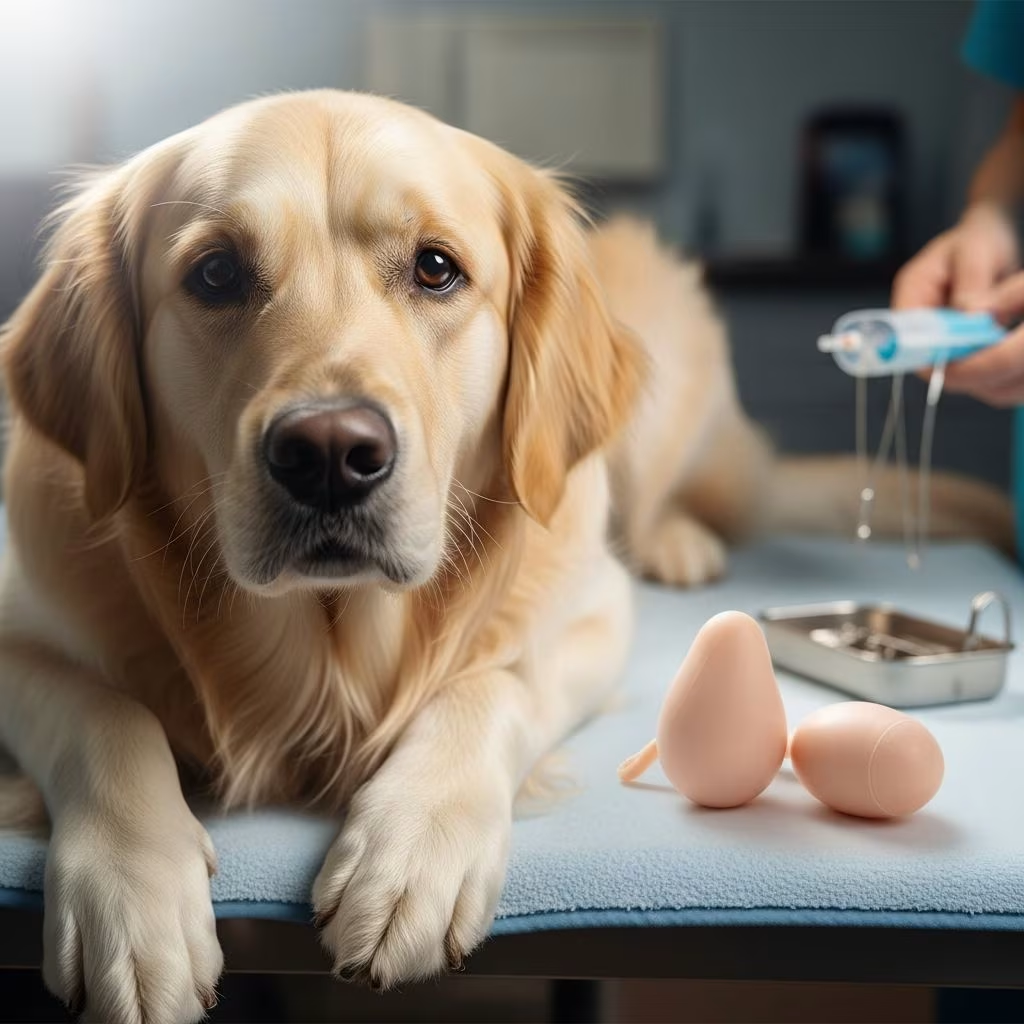
Prosthetic testicular implants, often called neuticles or fake testicles, offer pet owners a way to restore the natural appearance of their dog’s scrotum after neutering. These silicone-based devices mimic the look and feel of real testicles without restoring hormonal function.
The Purpose and Rise of Canine Testicular Prostheses
Neutering remains one of the most common veterinary procedures for male dogs, aimed at preventing unwanted litters, reducing certain behaviors, and lowering health risks like testicular cancer. However, many owners hesitate due to the visible change in their dog’s physique, perceiving it as a loss of masculinity or natural form. Prosthetic testicles address this cosmetic concern by filling the scrotal sac post-surgery, allowing dogs to retain a intact appearance.
The concept gained traction in the mid-1990s when an inventor, motivated by his neutered bloodhound’s altered look, developed the first commercial product. Since then, over hundreds of thousands of these implants have been placed in dogs, cats, and even larger animals, primarily for aesthetic restoration rather than medical necessity.
Materials and Design Options Available
Modern prosthetic testicles for dogs come in various models tailored to different preferences in texture and realism. Key types include:
- Original Model: Constructed from rigid polypropylene, a non-porous plastic approved for medical use, providing a firm, durable option that’s easy to handle during surgery.
- Natural Model: Made of solid silicone, offering a texture and firmness closely resembling actual canine testicles for a more authentic feel.
- Ultra Model: Also silicone-based but 30% softer than the natural version, ideal for breeds with looser scrotal skin or owners seeking maximum realism.
- Advanced Variants: Some include simulated epididymis structures for enhanced anatomical accuracy, available in precise quarter-inch size increments.
Sizes range from small for cats and toy breeds to larger custom options for big dogs, ensuring a proper fit. All materials are FDA-approved for human implants, emphasizing biocompatibility, though specific veterinary approval for canine use varies by region.
Surgical Implantation Techniques
Installation typically occurs during the neutering procedure or as a secondary surgery up to several years later. Veterinarians remove the natural testicles via a standard orchiectomy, then place the prostheses in the scrotum. Two primary methods exist, evaluated in peer-reviewed animal studies:
| Method | Description | Outcomes from Beagle Study |
|---|---|---|
| Under Tunica Vaginalis | Implant placed within the outer scrotal covering, preserving natural positioning. | Superior appearance, better palpability, no asymmetry, softer feel; no infections or rejections over 3 months. |
| Under Tunica Albuginea | Deeper placement after removing testicular tissue covering, more invasive. | Slight asymmetry in 78% of cases, higher positioning, firmer palpation; still safe with no major complications. |
In a controlled experiment with beagle dogs, both techniques proved safe, with wounds healing within a week and no proliferative scarring. The tunica vaginalis approach yielded more natural results histopathologically and visually. Postoperative pain exists but correlates more with neutering than implant site. Videos of procedures, like those on bulldogs, highlight the added surgical complexity due to the prostheses’ slippery nature, yet success rates remain high.
Safety Profile and Long-Term Data
Decades of use show no significant complications such as infections, rejections, ruptures, or leakage—thanks to solid silicone construction rather than gels. A $1 million liability guarantee backs many products. In the beagle study, all nine dogs lived uneventfully for three months, with mobile, well-positioned implants.
While not formally FDA-approved as a veterinary device, the materials’ human-grade status and absence of reported issues over 20+ years support their safety. Owners report seamless integration, with dogs showing no awareness of the implants. Chemical castration implants differ, focusing on hormone suppression rather than cosmetics.
Potential Benefits for Dogs and Owners
For dogs, benefits are negligible—they adapt fully to neutering without psychological distress over appearance, as evidenced by normal behaviors post-procedure. Owners, however, gain emotional satisfaction from maintaining their pet’s pre-neutered look, potentially easing guilt and encouraging neutering.
- Promotes responsible pet ownership by incentivizing sterilization, reducing shelter populations.
- Restores self-esteem perception in working or show dogs where appearance matters.
- Anecdotal reports suggest happier owners lead to better pet care overall.
Critics argue it’s anthropomorphic, prioritizing human feelings over animal needs.
Risks, Controversies, and Veterinary Perspectives
Though rare, theoretical risks include surgical-site infections, implant migration, or chronic pain—none observed in key studies. In regions like the UK, bodies like the Royal College of Veterinary Surgeons deem it non-beneficial and unethical, as it doesn’t aid the animal.
Vets note increased procedure time and cost (often $200–$500 extra), recommending it only for motivated owners. Vasectomies, which preserve testicles but sterilize, are seldom chosen due to retained behaviors.
Cost Breakdown and Procedure Expectations
| Component | Estimated Cost (USD) | Notes |
|---|---|---|
| Neutering Alone | 100–300 | Standard orchiectomy. |
| Prostheses Pair | 200–400 | Depends on size/model; custom higher. |
| Implantation Surgery | 150–300 | Often bundled with neuter. |
| Total with Implant | 450–1000 | Vet/location dependent. |
Expect 10–14 day recovery with restricted activity; e-collars prevent licking.
Frequently Asked Questions (FAQs)
Do dogs notice or need prosthetic testicles?
No, dogs don’t perceive the difference; it’s purely cosmetic for owners.
Can implants be added years after neutering?
Yes, safely up to 5 years post-neuter with no added risks.
Are there sizes for all breeds?
Yes, from tiny to extra-large, with custom options.
Is this covered by pet insurance?
Rarely, as it’s elective; check policies for neutering add-ons.
What if complications occur?
Product guarantees cover removal/replacement; consult your vet immediately.
Alternatives to Traditional Neutering
Besides prostheses, options include:
- Chemical Castration: Temporary hormone implants for behavior trials.
- Vasectomy: Sterilization without removal, retaining appearance but not recommended widely.
- Monitoring: For low-risk dogs, though health benefits favor neutering.
Weigh pros like cancer prevention against timing debates.
Making the Decision: Is It Right for Your Dog?
Prosthetic testicles excel as a cosmetic bridge for neutering-hesitant owners, backed by safety data and owner satisfaction. Prioritize spaying/neutering for population control, using implants if aesthetics seal the deal. Consult a trusted vet for personalized advice, ensuring your dog’s health trumps appearance.
References
- Comparative experimental re-evaluation of the two implanting methods of silicone gel testicular prostheses in beagle dogs — Tong-li Hao et al., PMC. 2011-04-11. https://pmc.ncbi.nlm.nih.gov/articles/PMC3080313/
- Fake Testicles for Dogs: Vet-Verified Facts & FAQ — Dogster. Recent (post-2020). https://www.dogster.com/dog-health-care/fake-testicles-for-dogs
- Bulldog Gets Fake Balls During Castration | Bondi Vet — YouTube (Bondi Vet). Recent. https://www.youtube.com/watch?v=5otMU0prQOs
- Castration “Implants” – what is it all about? — Bilton Vets. Recent. https://www.biltonvets.co.uk/chemical-castration
- Neuticles: Testicular Implants for Dogs — PetPlace. Recent. https://www.petplace.com/article/dogs/pet-health/neuticles-testicular-implants-for-dogs
- Bulldog gets Plastic Surgery to Keep his Balls Intact — YouTube (Bondi Vet). Recent. https://www.youtube.com/watch?v=p2tuEDE5gew



