

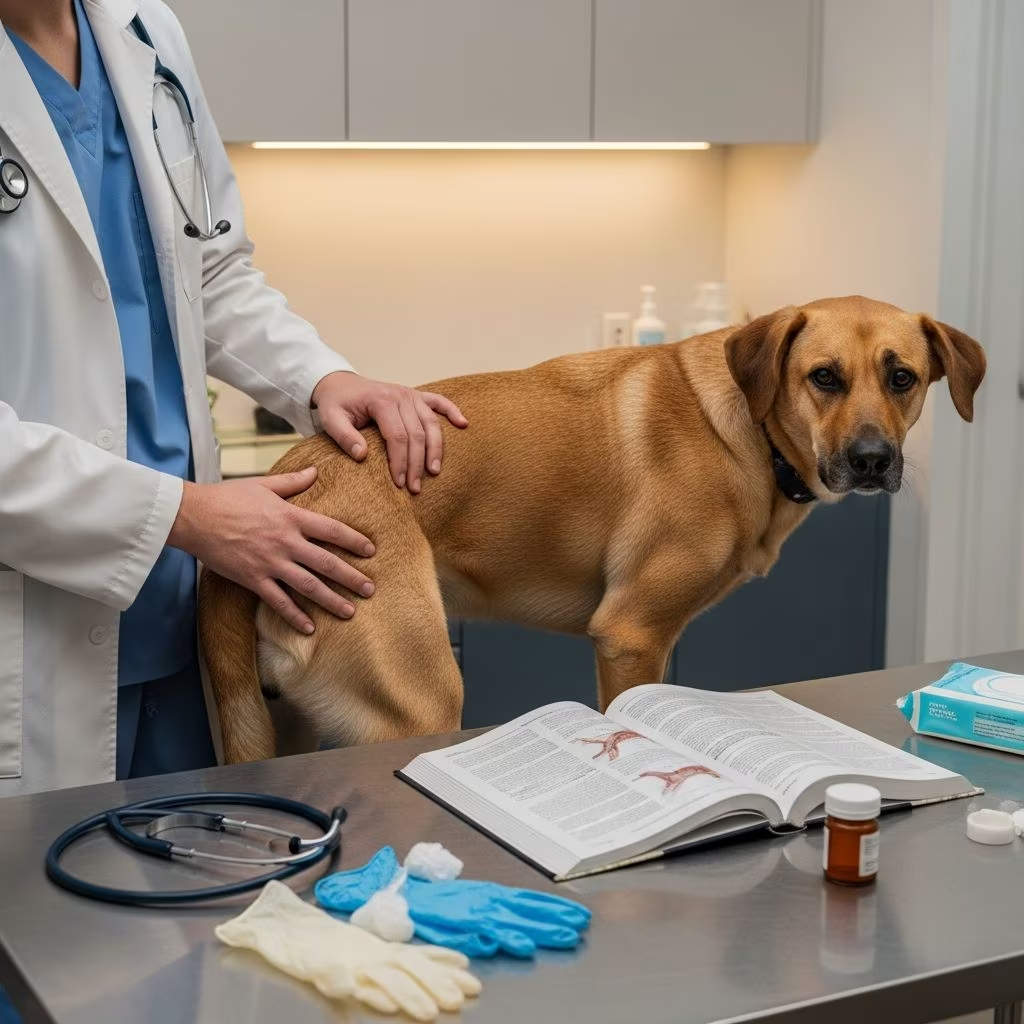
The prostate gland is an important part of the male reproductive system, playing a crucial role in maintaining the health and fertility of intact male dogs. However, like humans, dogs are susceptible to various prostatic conditions that can significantly impact their quality of life and overall health. Understanding these diseases, recognizing their symptoms, and knowing available treatment options can help pet owners make informed decisions about their dog’s care.
Understanding the Prostate Gland
The prostate is a gland found only in male dogs that surrounds the urethra, the tube through which urine and reproductive fluid pass. This gland produces secretions that are essential for normal reproductive function. The size and activity of the prostate are primarily controlled by testosterone, the male hormone produced by the testicles. In intact (non-neutered) male dogs, the prostate naturally enlarges with age. While this enlargement is normal, it can sometimes lead to health complications that require veterinary attention and treatment.
Types of Prostatic Disease
Several different conditions can affect the canine prostate, each with distinct characteristics, symptoms, and treatment approaches. Understanding these differences is essential for proper diagnosis and management.
Benign Prostatic Hyperplasia (BPH)
Benign Prostatic Hyperplasia, or BPH, is the most common prostatic disorder in sexually intact male dogs. This condition involves a non-cancerous enlargement of the prostate gland that occurs naturally as dogs age. Unlike some other prostatic diseases, BPH is not an infection or inflammation but rather a consequence of normal hormonal changes. Interestingly, approximately 95% of dogs diagnosed with BPH do not exhibit any clinical signs. In these asymptomatic cases, the condition is typically discovered incidentally during routine examinations or imaging performed for other reasons.
When clinical signs do develop, they may include persistent or intermittent blood in the urine (hematuria), bloody discharge from the penis (hemospermia), and hemorrhagic preputial discharge. Some dogs may experience difficulty with bowel movements or straining during defecation due to the enlarged prostate pressing on surrounding tissues.
Bacterial Prostatitis
Prostatitis refers to inflammation or infection of the prostate gland, typically caused by bacterial infection. This condition is the second most common prostatic disease affecting sexually mature dogs. Prostatitis can present in two forms: acute and chronic, with chronic prostatitis being much more common in dogs than acute cases.
Acute bacterial prostatitis produces severe clinical signs including malaise, depression, fever, severe abdominal pain, and occasionally back pain. Dogs may display a stiff-legged gait and experience painful rectal palpation. In severe cases, dehydration, septicemia, and shock can occur. Straining to urinate or defecate, along with bloody urine and discharge from the penis, are common symptoms.
Chronic bacterial prostatitis often presents with milder or no clinical signs except for recurrent urinary tract infections. Some affected dogs may show depression, back pain, abdominal pain, or a stiff-legged gait. In breeding males, the primary symptom may be poor semen quality leading to sterility, sometimes without other obvious signs of infection.
Prostatic Cysts and Abscesses
Fluid-filled cysts can develop within the prostate tissue, and occasionally these can become infected, forming abscesses. These conditions can cause pain and discomfort and may require intervention. Systemic symptoms such as lethargy, fever, and weight loss are noted in some cases.
Prostatic Cancer
While less common than other prostatic conditions, cancer of the prostate (prostatic carcinoma or PCA) can occur in dogs, particularly in castrated males. This serious condition carries a high metastatic rate, meaning cancer cells can spread to other parts of the body. Dogs with prostatic tumors often experience systemic symptoms including lethargy, fever, and weight loss.
Clinical Signs and Symptoms
The symptoms of prostatic disease vary depending on the specific condition and its severity. Pet owners should be alert to several warning signs that may indicate a problem with their dog’s prostate:
Urinary symptoms: Blood in the urine or discharge from the tip of the penis, straining or difficulty urinating, and increased frequency of urination are common indicators. These symptoms are observed in more than 50% of cases with prostatitis, prostatic abscesses, and cysts.
Gastrointestinal symptoms: Straining to defecate, constipation, and painful bowel movements may occur as an enlarged prostate puts pressure on the rectum and colon.
Systemic symptoms: Depression, lethargy, fever, loss of appetite, and weight loss can indicate infection or more serious conditions like cancer or abscesses.
Postural changes: A stiff-legged gait or hind limb weakness may be observed, along with back or abdominal pain.
Reproductive symptoms: Poor semen quality or sterility, particularly in breeding males, may be the first sign of prostatic problems.
Diagnosis of Prostatic Disease
Accurate diagnosis is essential for determining the appropriate treatment plan. Veterinarians employ several diagnostic methods to evaluate prostatic health:
Physical examination: A thorough physical exam may reveal an enlarged or painful prostate upon rectal palpation. The veterinarian will assess the dog’s overall condition and look for signs of pain or discomfort.
Imaging studies: Transabdominal ultrasonography is the best method for evaluating prostate size and echotexture. Ultrasound allows veterinarians to visualize the prostate gland in detail and identify abnormalities such as cysts, abscesses, or irregular tissue patterns. Radiographs may also be helpful in some cases.
Laboratory tests: Blood work can reveal signs of infection or systemic illness, such as elevated white blood cell counts or abnormal kidney function. Urinalysis may show blood, white blood cells, or bacteria in the urine.
Prostatic fluid analysis: Definitive diagnosis of bacterial prostatitis is made by cytological examination and quantitative isolation of bacteria from prostatic fluid obtained by ejaculation or prostatic massage. Normal prostatic fluid should contain less than 10,000 bacteria per ml.
Fine needle aspiration: For suspected cancer or other serious conditions, a fine needle aspirate of the prostate performed under ultrasound guidance can provide cellular samples for examination.
Treatment Options
Treatment for prostatic disease depends on the specific diagnosis and the individual dog’s circumstances. Various therapeutic approaches are available:
Treatment for Benign Prostatic Hyperplasia
For dogs with BPH not intended for breeding or showing, castration (surgical removal of the testicles) is the treatment of choice. Castration is highly effective because it eliminates the testosterone that drives prostate enlargement. With castration, prostatic involution is usually evident within a few weeks and is often complete in several months. Complete involution of the gland generally occurs within 6–12 weeks after castration, although clinical signs may diminish earlier.
For males intended for breeding or showing where castration is not an option, several medical therapies are available. Finasteride, a 5-alpha reductase inhibitor, reduces hypertrophied prostate volume at doses of 0.1–0.5 mg/kg (or 5 mg/dog for dogs weighing 10–50 kg) administered orally every 24 hours for 16 weeks. This medication maintains normal testosterone concentrations and has no detrimental effect on semen quality, fertility, or libido. However, dogs must remain on the medication for the rest of their lives or prostatic hypertrophy will return.
Antiandrogen therapy with osaterone acetate at 0.25–0.5 mg/kg administered orally every 24 hours for 7 days has been found to resolve clinical signs in approximately 50% of dogs within 14 days. Notable reduction in clinical signs occurs within two weeks, and reduction in prostatic size is maintained for approximately 6 months. Potential adverse effects include reduction in serum cortisol and adrenocortical insufficiency.
Pulsed electromagnetic field therapy has also shown promise in recent studies, resulting in a substantial decrease in prostatic volume without altering semen quality, testosterone concentrations, or libido.
Treatment for Bacterial Prostatitis
Since the majority of cases of acute prostatitis are caused by urinary tract infections, the first line of treatment is antibiotics. Most cases fully resolve with appropriate antibiotic therapy, and no further treatment is needed. Dogs with acute prostatitis generally have a good prognosis with appropriate treatment and resolution of predisposing factors.
Chronic prostatitis is harder to resolve and often requires at least six weeks of antibiotics. Both acute and chronic cases benefit from supportive care with anti-inflammatory medications and pain relief. IV fluid therapy is indicated when acute prostatitis is associated with dehydration or shock.
Neutering is typically recommended along with antibiotic therapy to minimize the likelihood of recurrence and prevent other forms of prostate disease. Therapy for chronic prostatitis includes eliminating any predisposing factors such as immunosuppressive medication or anatomic defects. Dogs with chronic prostatitis can live with the condition for months to years with minimal symptoms if any, and recurrence is common, especially if underlying factors are not addressed.
Treatment for Prostatic Cancer
Prostatic cancer requires both local and systemic treatment to control the disease due to its high metastatic rate. Radical prostatectomy (complete surgical removal of the prostate) in dogs with prostatic carcinoma is associated with a high incidence of perioperative mortality and postoperative incontinence and is therefore not an acceptable treatment option. However, partial or subtotal prostatectomy can be useful as a symptomatic treatment, decreasing the size of the prostate and reducing faecal straining.
Photodynamic therapy (PDT) has been used for local control of prostate carcinoma in dogs, combining the administration of a photosensitizer with illumination of the target organ using light of a determined wavelength to cause tissue necrosis. For dogs with severe urinary difficulties or urethral obstruction caused by prostatic neoplasms, palliative treatment with intraluminal stents can be effective in improving quality of life for several months. Treatment with selective COX-2 inhibitors such as meloxicam or firocoxib is generally recommended.
General Supportive Care
Regardless of the specific prostatic condition, general supportive care plays an important role in recovery and comfort. Nonsteroidal anti-inflammatory drugs (NSAIDs) help reduce pain and inflammation. Stool softeners or laxatives may be recommended to ease bowel movements, particularly for dogs experiencing constipation due to prostate enlargement. Adequate hydration and rest are essential components of the recovery process.
Prevention and Risk Reduction
Several strategies can help reduce the risk of prostatic disease in dogs. Neutering male dogs early in life dramatically reduces the risk of multiple types of prostate disease, including prostatitis. For intact males, maintaining good overall health through proper nutrition, regular exercise, and routine veterinary care can help support prostate health. Regular check-ups allow veterinarians to monitor prostate health and catch problems early when they are most treatable.
Frequently Asked Questions
Q: At what age do dogs develop prostate problems?
A: Prostatic diseases, particularly benign prostatic hyperplasia, typically develop in middle-aged to older intact male dogs, usually after 5-6 years of age. However, bacterial prostatitis can occur at any age in sexually mature dogs.
Q: Can neutering help prevent prostate disease?
A: Yes, neutering is one of the most effective ways to prevent prostatic disease. Castration dramatically reduces the risk of multiple types of prostate disease and eliminates the hormonal stimulus for benign prostatic hyperplasia.
Q: What is the prognosis for dogs with prostate problems?
A: The prognosis varies depending on the specific condition. Acute bacterial prostatitis usually has a good prognosis with appropriate antibiotic treatment. Benign prostatic hyperplasia responds well to castration or medical management. Prostatic cancer carries a more guarded prognosis due to its tendency to metastasize.
Q: Will my dog need surgery to treat prostate disease?
A: The need for surgery depends on the diagnosis. Castration is often recommended for BPH and as adjunctive therapy for prostatitis. Partial prostatectomy may be considered for certain cases. Many cases of bacterial prostatitis can be managed with antibiotics and supportive care alone.
Q: How long does prostate disease treatment take?
A: Treatment duration varies by condition. Acute bacterial prostatitis may resolve within weeks with antibiotics, while chronic prostatitis typically requires at least six weeks of antibiotics. Medical management of BPH is ongoing, and castration effects become apparent within weeks to months.
References
- Prostate Inflammation (Prostatitis) in Dogs – Causes, Treatment and Management — Vetster. 2024. https://vetster.com/en/conditions/dog/prostate-inflammation-prostatitis
- Benign Prostatic Hyperplasia in Dogs – Reproductive System — MSD Veterinary Manual. 2024. https://www.msdvetmanual.com/reproductive-system/prostatic-diseases-in-small-animals/benign-prostatic-hyperplasia-in-dogs
- The Prostatic Conditions, Their Diagnosis and Management — Veterinary Practice. 2024. https://www.veterinary-practice.com/article/the-prostatic-conditions-their-diagnosis-and-management
- Prostatitis in Dogs – Reproductive System — Merck Veterinary Manual. 2024. https://www.merckvetmanual.com/reproductive-system/prostatic-diseases-in-small-animals/prostatitis-in-dogs
- Diagnosis and Treatment of Benign Prostatic Hyperplasia in Dogs — National Center for Biotechnology Information (NCBI). 2024. https://pmc.ncbi.nlm.nih.gov/articles/PMC12271692/
- Prostatic Disease in Dogs — VCA Animal Hospitals. 2024. https://vcahospitals.com/know-your-pet/prostatic-disease-in-dogs



