

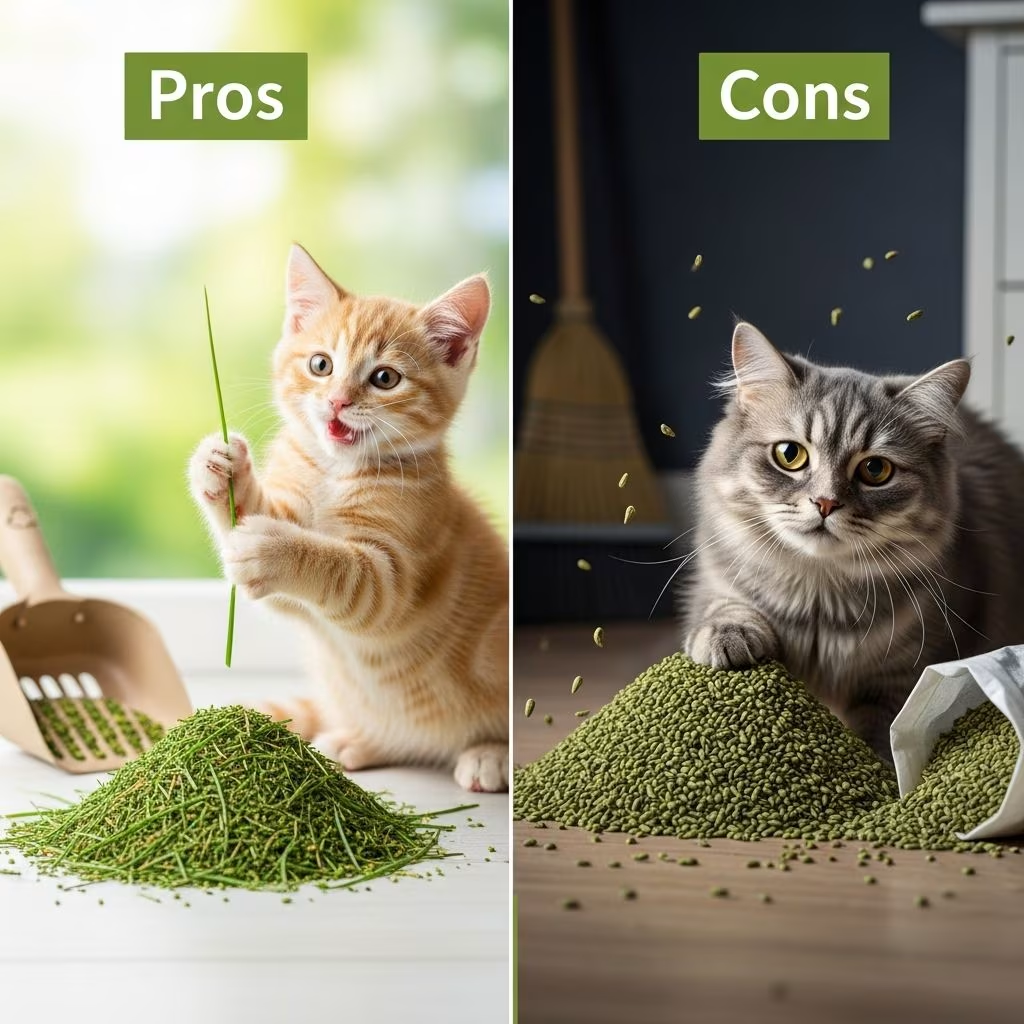
The Pros and Cons of Grass Seed Cat Litter
Pet parents are increasingly seeking alternatives to traditional clay-based litters, and grass seed cat litter has emerged as a compelling option. This natural, biodegradable alternative offers numerous benefits for both cats and the environment, but it also comes with certain considerations that deserve careful evaluation. Understanding both the advantages and disadvantages of grass seed litter will help you make an informed decision about whether it’s the right choice for your feline companion.
What Makes Grass Seed Cat Litter Special?
Grass seed cat litter is manufactured by collecting natural grass seeds or grass fibers and processing them into small particles suitable for use in litter boxes. The production process typically involves drying, grinding, and shaping to achieve the desired size and texture. Unlike conventional clay-based litters that require mining operations, grass seed litter represents a more sustainable approach to cat waste management. This natural material has gained significant popularity among environmentally conscious pet owners who want to reduce their carbon footprint while maintaining their cats’ comfort and hygiene.
Key Advantages of Grass Seed Cat Litter
Non-Toxic and Chemical-Free
One of the most significant advantages of grass seed cat litter is that it is completely non-toxic and free of harmful chemicals, dyes, and synthetic scents. Unlike many clay-based litters that contain artificial fragrances and potentially harmful additives, grass seed litter provides a natural, light grassy scent that appeals to many cats. If your curious kitty happens to nibble or ingest grass seed litter while grooming, it is generally safe and may only cause mild stomach upset. This chemical-free composition makes it an excellent choice for households concerned about their cat’s overall health and well-being.
Nearly Dust-Free for Better Respiratory Health
Traditional clay-based litters generate significant dust that can trigger allergies and respiratory issues in both cats and humans. Grass seed cat litter is remarkably low-dust, creating a healthier environment for your entire household. This dust-free nature is particularly beneficial for cats with asthma, allergies, or respiratory sensitivities, as well as for pet parents and family members with similar conditions. The reduction in airborne particles means fewer health concerns and a cleaner home overall.
Excellent Natural Odor Control
Grass naturally possesses superior odor-absorbing properties, making grass seed litter highly effective at controlling unpleasant smells. The material absorbs odors without relying on artificial fragrances or chemical masking agents, keeping your litter box environment fresher for longer periods. This natural odor control is particularly effective in single-cat households where the litter box usage is less intensive.
Soft and Gentle on Sensitive Paws
The texture of grass seed litter is noticeably softer and gentler compared to clay-based alternatives. This makes it especially beneficial for kittens, senior cats, and cats recovering from surgery or injury. Cats with sensitive paws or those prone to paw-related issues often respond well to the gentle surface of grass seed litter, making bathroom time more comfortable and reducing stress associated with litter box use.
Environmentally Friendly and Biodegradable
Perhaps one of the most compelling reasons to choose grass seed litter is its environmental impact. Made from natural, renewable materials, grass seed litter is completely biodegradable and breaks down naturally over time. Unlike clay litter, which requires extensive mining operations that deplete natural resources and harm ecosystems, grass seed grows naturally and sustainably. This renewable resource can be safely disposed of in compost or as organic waste, making it an excellent choice for environmentally conscious pet owners. By choosing grass seed litter, you contribute to the conservation of natural resources and reduce reliance on non-renewable materials.
Lightweight and Easy to Handle
Grass seed cat litter is considerably lighter than clay-based litters, making it easier for pet owners to handle, transport, and clean. This lightweight characteristic is particularly appreciated by individuals with mobility issues or those who maintain multiple litter boxes in their homes.
Important Considerations and Drawbacks
May Not Be Ideal for Multi-Cat Households
While grass seed litter performs excellently for odor control in single-cat homes, its effectiveness diminishes in multi-cat households. If you have two or more cats, grass seed litter might not combat odors as strongly as traditional clay litter does. The increased volume of waste in multi-cat environments can overwhelm the natural odor-absorbing properties of grass seed litter, potentially leading to a less pleasant litter box experience for both cats and their owners.
Absorption and Clumping Limitations
Grass seed cat litter may not offer the same level of absorption and clumping effectiveness as premium clay-based litters. While it can absorb moisture to a reasonable extent, it may not clump as efficiently, requiring more frequent litter box cleanings and replacements. This increased maintenance can be a significant drawback for busy pet owners or those seeking maximum convenience.
Potential for Tracking
Like many alternative litters, grass seed cat litter can easily track outside the litter box. The lightweight particles may stick to your cat’s paws and be carried throughout your home, resulting in scattered litter on floors and furniture. This tracking issue requires diligent cleanup and may necessitate the use of litter box mats or enclosures to contain the mess.
Higher Cost
Grass seed cat litter typically costs more than traditional clay-based litters. While some pet owners are willing to pay a premium for the environmental benefits and natural properties, the increased expense may be a barrier for budget-conscious households. The cost difference can be particularly noticeable for those with multiple cats or those who go through large quantities of litter regularly.
Limited Availability
Grass seed cat litter may be less readily available compared to conventional clay-based options. Pet owners often need to seek out specialty pet stores or order online to purchase grass seed litter, which can be less convenient than grabbing a bag from the local supermarket. This limited availability may also affect your ability to find your preferred brand or enjoy the convenience of regular, immediate access.
Risk of Mold Growth in Humid Environments
As an organic material, grass seed litter can absorb moisture from the air. In humid climates or poorly ventilated litter areas, it may develop mold or mildew. Mold spores can trigger respiratory issues in cats, especially kittens or older pets with compromised immune systems. To prevent this problem, store litter in a dry area and change the litter frequently, particularly during humid seasons. Ensuring adequate ventilation around the litter box and maintaining a dry storage environment are essential precautions.
Potential for Bug Attraction
Because grass seed litter is made from natural plant materials, improper storage in damp or open spaces could potentially attract insects. Maintaining a clean, dry environment with adequate ventilation helps keep the litter fresh and free from pest problems. Proper storage practices are crucial for getting the most out of this natural litter option.
Possible Allergic Reactions
While rare, some cats and pet parents can be allergic to grass, which may result in sensitivity to grass seed litter. Cats with grass allergies might experience itchiness, small crusty skin lesions, or skin inflammation. In rare cases, a cat might start sneezing or scratching excessively. If you suspect your cat might be allergic to grass, consider patch-testing first by mixing a small amount of grass seed litter into their current litter and watching for signs of an allergic reaction. If you observe any concerning symptoms, discontinue use and consult your veterinarian immediately.
Possible Ingestion Issues
While eating small amounts of grass seed litter is generally harmless, over-ingestion might cause vomiting or other gastrointestinal upset. Cats are naturally curious creatures and sometimes eat things they shouldn’t, so it’s important to monitor your feline’s litter box habits and ensure they’re not snacking when using the loo. Keeping the litter box clean and monitoring your cat’s behavior can help mitigate this risk.
Texture Resistance
Cats love predictability and thrive when they know what to expect. If you’re switching to grass seed cat litter, some cats might reject the texture if introduced abruptly. This sudden change can potentially lead to litter box avoidance and behavioral problems. Helping your cat adjust by slowly introducing the new litter over several days or weeks can reduce their stress and the possibility of litter box complications.
Making the Transition to Grass Seed Cat Litter
If you’ve decided to try grass seed cat litter, introducing it gradually is key to success. Start by mixing a small amount of grass seed litter with your cat’s current litter, then gradually increase the proportion over the course of one to two weeks. This slow transition allows your cat to acclimate to the new texture and scent without stress. Monitor your cat closely during this period for any signs of litter box avoidance or allergic reactions. With patience and a gradual approach, most cats will adapt to grass seed litter without incident.
Comparison of Grass Seed Litter with Other Options
| Feature | Grass Seed Litter | Clay Litter | Pine Litter |
|---|---|---|---|
| Dust Level | Very Low | High | Low |
| Toxicity | Non-Toxic | Contains chemicals | Non-Toxic |
| Biodegradable | Yes | No | Yes |
| Clumping | Moderate | Excellent | Good |
| Cost | Higher | Lower | Moderate |
Frequently Asked Questions
Q: Is grass seed cat litter completely safe for all cats?
A: Yes, grass seed cat litter is safe for most cats. However, if your cat has a grass allergy, you should patch-test by mixing a small amount with their current litter first. Always monitor your cat for signs of allergic reactions, and discontinue use if you observe any concerning symptoms.
Q: Can grass seed litter cause digestive problems if ingested?
A: Small amounts of grass seed litter are harmless if ingested and are completely non-toxic. However, over-ingestion could potentially cause mild stomach upset or vomiting. Monitor your cat’s litter box habits and keep the box clean to minimize this risk.
Q: How often should I change grass seed cat litter?
A: Grass seed litter typically requires more frequent changes than clay-based litters due to its moderate clumping ability. For single-cat households, daily scooping and complete litter changes two to three times weekly are recommended. Multi-cat households may need even more frequent changes.
Q: Does grass seed litter work well for multi-cat households?
A: Grass seed litter is most effective in single-cat homes. In multi-cat households, its odor control may not be as strong as clay litter, potentially leading to less satisfactory results. Consider your household’s specific needs before making the switch.
Q: How can I prevent mold growth in grass seed litter?
A: Store grass seed litter in a dry, well-ventilated area away from humidity. Change the litter frequently, especially during humid seasons. Ensure your litter box area has adequate airflow to prevent moisture accumulation and mold development.
Q: Is grass seed litter more expensive than traditional clay litter?
A: Yes, grass seed litter typically costs more than conventional clay-based litters. However, many pet owners find the environmental benefits and health advantages worth the additional expense. Prices vary by brand and availability.
Q: What should I do if my cat refuses the new litter?
A: Introduce grass seed litter gradually by mixing increasing amounts with your cat’s current litter over one to two weeks. This slow transition helps cats acclimate to the new texture and reduces the likelihood of litter box avoidance. Patience is key to a successful switch.
References
- The Pros and Cons of Grass Seed Cat Litter — Chewy. 2025. https://www.chewy.com/education/cat/health-and-wellness/grass-seed-cat-litter
- What is Grass seed cat litter — Bastet and Anubis. https://bastetandanubis.com/grass-seed-cat-litter/
- Grass Seed Cat Litter Pros and Cons — Gelin Town Pet. https://www.gelintownpet.com/Grass-Seed-Cat-Litter-Pros-and-Cons_176.html
- 7 Shocking Truths About So Phresh Grass Seed Cat Litter — Purrfect Insights. https://purrfectinsights.com/blog/so-phresh-grass-seed-cat-litter-truths/
- Is grass seed litter safe for my cat to use in her litter box? — Dial a Vet. https://www.dialavet.com/vet-answers/grass-seed-litter-safety-cats-4585



