

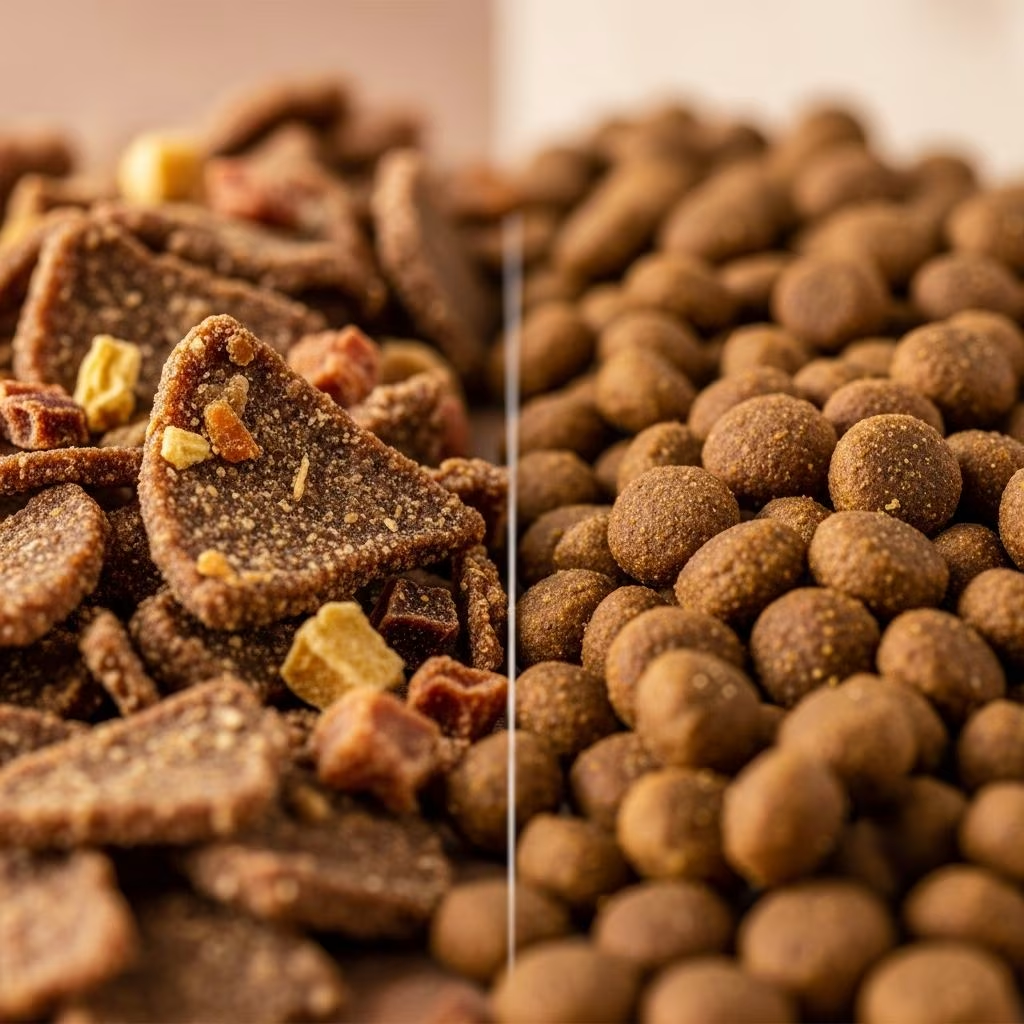
Understanding Air-Dried Dog Food
Air-dried dog food has emerged as a popular middle ground between traditional kibble and raw diets, offering pet owners a convenient yet nutrient-dense feeding option. This specialized form of pet nutrition involves slowly removing moisture at low temperatures, creating a jerky-like texture that preserves the nutritional integrity of the ingredients. Unlike conventional kibble that undergoes high-heat extrusion processing, air-dried formulas maintain natural enzymes, proteins, and essential nutrients that might otherwise be damaged or lost during more aggressive processing methods. Understanding both the benefits and limitations of this feeding approach is essential for making informed decisions about your dog’s diet.
Key Takeaways
- Air-dried dog food is slowly dehydrated to preserve nutrients and create a jerky-like texture
- Choose formulas that are AAFCO-compliant with whole protein sources
- Pros include better nutrient retention, high digestibility, and appeal for picky eaters
- Cons include health risks, calorie density, low moisture content, and unsuitability for certain dietary needs
- Proper portioning and gradual transitions are crucial when switching to air-dried food
Pros of Air-Dried Dog Food
Nutrient Protection
One of the most significant advantages of air-dried dog food is its superior nutrient retention compared to conventional processing methods. The gentle, low-temperature dehydration process preserves more natural nutrients and enzymes compared to kibble that is cooked under high heat during extrusion. This preservation is particularly important because many essential vitamins, minerals, and fatty acids are heat-sensitive and can degrade during traditional manufacturing processes.
The nutrient-dense nature of air-dried food means a smaller portion can deliver equivalent nutrition to larger servings of kibble. This concentrated nutritional profile helps ensure dogs receive adequate protein and essential nutrients without requiring excessive amounts of food. For pet owners concerned about maximizing the nutritional value of their dog’s diet, this preservation of vital micronutrients represents a compelling advantage over heavily processed alternatives.
Enhanced Digestibility
Air-dried food may be significantly easier on a dog’s digestive system than heavily processed kibble. The air-drying process preserves natural enzymes that support healthy digestion, reducing the strain on the canine gastrointestinal tract. These naturally preserved enzymes act as biological facilitators, helping dogs break down and absorb nutrients more efficiently.
Research and customer reports consistently indicate that air-dried foods typically offer 90% or higher digestibility compared to 65-75% for premium kibbles. The gentle drying process preserves protein structures, making amino acids more bioavailable to your dog’s system. This enhanced digestibility can lead to visible improvements in coat quality, energy levels, and overall health outcomes, particularly for dogs with sensitive digestive systems.
Appeal for Picky Eaters
Adding air-dried food as a topper can boost the taste and palatability of your dog’s regular meals, making it an excellent solution for picky eaters. This versatility proves especially helpful for senior dogs with reduced appetites, puppies with developing palates, and pups recovering from illness who need extra encouragement to eat and benefit from nutrient-dense nutrition.
The concentrated flavors and aromas preserved through gentle air-drying often prove more appealing to discerning canines than standard kibble. Many pet owners report that their previously finicky dogs eagerly consume air-dried formulas, making mealtime less stressful and more enjoyable for both pets and their families.
Minimal Artificial Preservatives
High-quality air-dried dog food typically contains no (or significantly fewer) artificial preservatives, colors, and synthetic ingredients compared to conventional kibble. The low-moisture content of air-dried food—approximately 10-15% moisture compared to kibble’s 6-10%—creates an inhospitable environment for bacterial growth, eliminating the need for artificial preservatives. This natural preservation method protects your dog from unnecessary synthetic additives while maintaining shelf stability.
Many premium air-dried formulas feature only whole food ingredients, including real meat, organs, and functional additions like pumpkin for fiber or kelp for minerals. This minimalist approach reduces potential allergens and provides transparent ingredient lists that allow pet owners to know exactly what they’re feeding their companions.
Dental Health Benefits
The jerky-like texture of most air-dried dog food creates natural abrasive action that helps reduce plaque buildup on teeth. While not a replacement for dental chews or professional brushing, the requirement for increased mastication compared to kibble promotes better oral health through mechanical cleaning. Several pet owners report improvements in their dogs’ breath odor after switching to air-dried diets, likely due to both the mechanical cleaning action and the absence of synthetic ingredients that can contribute to oral bacteria growth.
Cons of Air-Dried Dog Food
Higher Cost
The primary disadvantage of air-dried dog food is its significantly higher price point compared to conventional kibble or even freeze-dried alternatives. The specialized processing, premium ingredient sourcing, and careful manufacturing required to preserve nutrients during air-drying contribute to elevated costs. For budget-conscious pet owners or those with multiple large dogs, this expense can represent a substantial ongoing commitment.
While the nutrient density means smaller portions are required, ultimately providing better value over time, the upfront cost can be prohibitive. Pet owners must evaluate their financial situation and determine whether the potential long-term health benefits justify the increased initial expenditure on premium air-dried formulas.
Calorie Density
Air-dried dog food is exceptionally calorie-dense due to its concentrated nutrient profile and low moisture content. This high caloric concentration requires significantly smaller serving sizes than kibble to maintain appropriate calorie intake. Overfeeding air-dried food, even unintentionally, can quickly lead to weight gain in dogs, particularly those with lower activity levels or predispositions to obesity.
Pet owners transitioning to air-dried food must employ precise portioning strategies, often requiring digital kitchen scales to measure accurate serving amounts. Failing to properly adjust portion sizes represents one of the most common mistakes when switching to this concentrated food format, potentially negating its health benefits through unintended overfeeding.
Low Moisture Content
The intentionally low moisture content of air-dried food—while beneficial for shelf stability and nutrient concentration—may not suit all dogs, particularly those with certain health conditions or insufficient water intake. Dogs accustomed to moisture-rich diets may require additional water supplementation to maintain adequate hydration levels.
For dogs prone to urinary tract issues or those requiring increased water consumption due to specific health conditions, the low moisture content could present challenges. Some pet owners address this concern by rehydrating air-dried food with warm water before serving, though this requires additional preparation time and may alter the feeding convenience factor.
Health Risks and Safety Considerations
Despite the gentler processing compared to high-heat kibble extrusion, air-dried food still carries potential food safety considerations. While the air-drying process eliminates harmful pathogenic bacteria, the lower heat treatment compared to traditional cooking means some caution is warranted, particularly for immunocompromised dogs or households with vulnerable individuals.
Additionally, the concentrated nutrient profile means nutritional imbalances become more consequential. Dogs fed exclusively on certain air-dried formulas without proper nutritional diversity may develop deficiencies if the formula lacks essential nutrients. Selecting AAFCO-compliant formulas with balanced nutritional profiles is crucial for ensuring complete and balanced nutrition.
Not Suitable for All Dietary Needs
While beneficial for many dogs, air-dried food may not be appropriate for all dietary requirements or health conditions. Dogs with specific medical conditions, allergies to common air-dried protein sources, or those requiring therapeutic prescription diets may not benefit from standard commercial air-dried formulas.
Additionally, puppies in critical growth stages may require different nutritional ratios than what many air-dried formulas provide, and some senior dogs with compromised kidney function might struggle with the high protein concentrations found in premium air-dried foods. Consulting with a veterinarian before transitioning to air-dried food is essential for ensuring suitability for your individual dog’s health status and nutritional requirements.
Nutrient Comparison Table
| Factor | Air-Dried Dog Food | Traditional Kibble | Raw Diet |
|---|---|---|---|
| Protein Content | 30-50% by weight | 20-30% | 40-50% |
| Digestibility | 90%+ | 65-75% | 95%+ |
| Moisture Content | 10-15% | 6-10% | 60-75% |
| Processing Temperature | Low (gentle) | High (extrusion) | None (raw) |
| Shelf Stability | Excellent | Excellent | Poor |
| Convenience | High | Highest | Low |
| Price Point | Premium | Moderate | Moderate to High |
Special Considerations for Different Life Stages
Puppies and Growing Dogs
While air-dried food can support puppies and growing dogs, careful attention to portion control and nutritional balance is essential during critical development phases. The high protein content and calorie density require precise measurement to avoid overfeeding, which could stress developing joints and organs in large breed puppies. Consulting with a veterinarian to ensure appropriate caloric and nutrient ratios for growth stages is particularly important.
Senior Dogs
Air-dried food offers particular benefits for aging canines. The enhanced digestibility reduces strain on aging digestive systems, while the concentrated nutrition ensures seniors receive adequate protein despite potentially decreased appetite. For senior dogs experiencing dental problems, most air-dried foods can be quickly rehydrated with warm water to create a softer texture while maintaining nutritional integrity, making mealtime comfortable without sacrificing quality.
Active and Working Dogs
Highly active dogs and working breeds can benefit significantly from air-dried food’s protein-rich formulas and concentrated energy content. The nutrient density supports sustained energy levels and optimal muscle development, making it an excellent choice for dogs with elevated activity requirements. However, portion sizes must still be carefully calculated based on individual activity levels to prevent excessive calorie intake.
Transitioning to Air-Dried Dog Food
When switching to air-dried food, a gradual transition is essential for minimizing digestive upset. Begin by mixing small amounts of air-dried food with your dog’s current diet, gradually increasing the proportion over 7-10 days. Monitor your dog for any signs of digestive distress, including changes in stool consistency or appetite.
Remember that air-dried food portions should be significantly smaller than kibble equivalents due to its concentrated nutrient profile. Using a digital kitchen scale ensures accurate portioning and prevents unintended overfeeding. Initially, follow manufacturer recommendations based on your dog’s weight and activity level, adjusting as needed based on body condition and energy levels.
Frequently Asked Questions
Is air-dried dog food good for all dogs?
Air-dried dog food benefits many dogs, particularly those with sensitive digestion or picky eating habits. However, it may not suit dogs with specific medical conditions, certain allergies, or those requiring therapeutic prescription diets. Consulting your veterinarian before making dietary changes is always recommended.
How does air-dried dog food compare to raw diets?
Air-dried food provides many nutritional benefits similar to raw diets while offering superior safety and convenience. It eliminates harmful bacteria risks associated with raw feeding while maintaining much of the nutrient density and digestibility that makes raw appealing to many pet owners.
Why is air-dried dog food more expensive?
The premium pricing reflects specialized processing technology, high-quality ingredient sourcing, careful manufacturing protocols, and superior nutrient retention. While the upfront cost is higher, the concentrated nutrition means smaller portions are required, potentially offering better long-term value.
Can I mix air-dried food with regular kibble?
Yes, many pet owners mix air-dried food with kibble as a topper or partial meal component. This approach can improve palatability, enhance nutrition, and reduce overall costs while maintaining some of the benefits associated with air-dried feeding.
How should I store air-dried dog food?
Store air-dried food in an airtight container in a cool, dry location away from direct sunlight. Most formulas remain stable for extended periods without refrigeration, though some premium brands recommend refrigeration after opening to maintain optimal freshness and nutritional integrity.
What should I look for when choosing air-dried dog food?
Select formulas that are AAFCO-compliant, feature whole protein sources as primary ingredients, and contain minimal fillers or artificial additives. Review the ingredient list carefully, ensuring the formula aligns with your dog’s specific health needs and dietary requirements.
References
- Pros and Cons of Air-Dried Dog Food — Chewy. 2024. https://www.chewy.com/education/dog/food-and-nutrition/air-dried-dog-food
- Why Air Dried Dog Food Beats Kibble: Essential Facts — Devil Dog Pet Co. 2024. https://devildogpetco.com/blogs/the-devil-dog-blog/air-dried-dog-food
- Air-Dried Dog Food: What Is It and What Makes It Better? — Sundays for Dogs. 2024. https://sundaysfordogs.com/blog/air-dried-dog-food-what-is-it-and-what-makes-it-better
- Everything You Need to Know About Air Dried Dog Food — Red Barn. 2024. https://www.redbarn.com/blogs/blog/everything-you-need-to-know-about-air-dried-dog-food



