

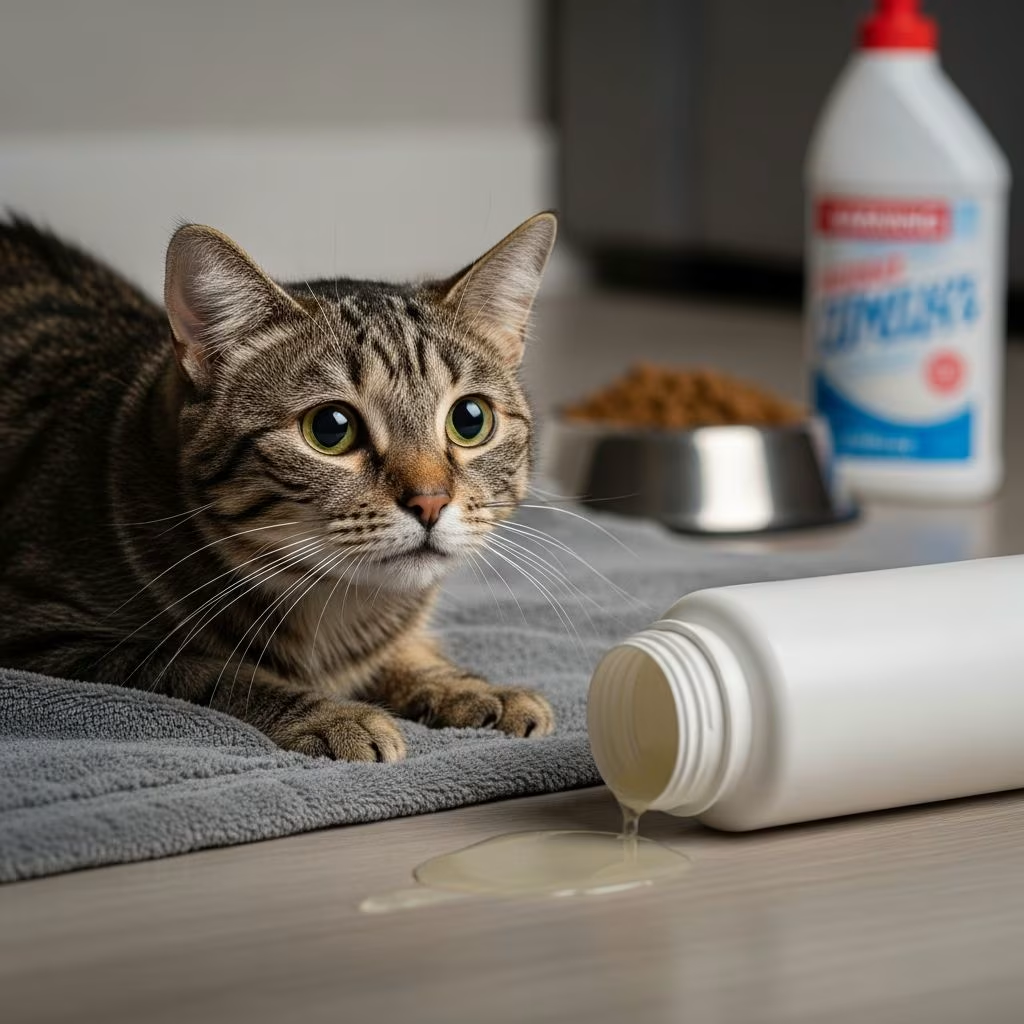
Propylene glycol serves as a common additive in foods, medications, and industrial products, but it poses toxicity risks to companion animals when ingested in significant quantities. While generally safer than ethylene glycol, it can trigger neurological depression, metabolic disturbances, and blood cell abnormalities, particularly in cats.
What Is Propylene Glycol and Where Do Pets Encounter It?
Propylene glycol is a viscous, colorless liquid used as a humectant, solvent, and stabilizer. In veterinary contexts, it appears in semi-moist pet foods (historically up to 10% in cat diets), injectable drugs like diazepam, antifreeze alternatives, and topical products.
- Food sources: Once prevalent in soft pet treats; banned in cat foods by FDA due to hemolytic effects.
- Medications: Excipient in oral and IV preparations; low doses typically safe.
- Household items: De-icers, cosmetics, and paints accessible during unsupervised roaming.
Cats metabolize it poorly via alcohol dehydrogenase, leading to prolonged exposure compared to dogs.
Toxicity Profiles: Dogs vs. Cats
Sensitivity varies markedly between species. Dogs tolerate higher chronic doses, while cats develop hematologic changes at dietary levels above 6%.
| Species | Acute LD50 (oral) | Chronic Effects | Threshold for Concern |
|---|---|---|---|
| Dogs | ~9 mL/kg | Lactic acidosis, CNS depression at high doses | >5 mL/kg acute; safe up to 2 g/kg/day experimentally |
| Cats | Higher margin but sensitive | Heinz bodies, reduced RBC lifespan | 6%-12% in diet |
European Medicines Agency reports low acute toxicity across mammals, with LD50s exceeding 18 g/kg in rodents and dogs.
Clinical Signs of Acute Exposure
High-dose ingestion mimics early ethanol intoxication, progressing to acidosis. Symptoms emerge within hours.
In Dogs
- Ataxia and disorientation (initial CNS phase).
- Vomiting, hypersalivation, and lethargy.
- Tachycardia, tachypnea, and dehydration in stage 2.
- Lactic acidosis; rare renal involvement unlike ethylene glycol.
A documented case involved an Australian cattle dog ingesting construction-site propylene glycol, presenting with severe ataxia; levels reached 1100 mg/dL pre-treatment.
In Cats
Acute signs overlap with dogs but chronic dietary exposure dominates concerns:
- Obvious drunken gait and depression.
- Long-term: Heinz body hemolytic anemia, splenomegaly.
Diagnostic Approaches and Pitfalls
Propylene glycol cross-reacts with ethylene glycol urine test kits, leading to false positives—a critical error prompting inappropriate antidotes like ethanol or fomepizole.
- Confirmatory tests: Quantitative serum/plasma assays via toxicology labs.
- Differentials: Rule out ethylene glycol (crystalluria, renal azotemia absent in propylene cases).
- Lab findings: Elevated lactate, anion gap acidosis; normal renal parameters initially.
Hemodialysis effectively cleared propylene glycol in the reported canine case, reducing levels from 1100 to 23 mg/dL.
Management and Treatment Strategies
No specific antidote exists; care is supportive. Alcohol dehydrogenase inhibitors are contraindicated.
- Decontamination: Induce emesis if within 2 hours; activated charcoal minimally effective.
- Supportive care: IV fluids for acidosis/hydration; monitor electrolytes.
- Advanced interventions: Hemodialysis for severe cases; resolves intoxication rapidly.
- Cats (chronic): Dietary change; blood transfusions if anemic.
Prognosis excels with early intervention; full recovery common even post-hemodialysis.
Regulatory Status and Safe Use Guidelines
FDA deems propylene glycol GRAS for dog foods at low levels (<2%), with NOAEL at 8% diet for chronic canine studies.
- Banned in cat foods since proving RBC abnormalities.
- EMA sets veterinary medicine tolerances; low risk from excipients.
- Pet food industry phased out high concentrations post-1990s.
Prevention Tips for Pet Owners
Avoid access to liquid forms; store securely.
- Supervise outdoors near construction/vehicles.
- Read labels on meds/treats; consult vets for cats on long-term drugs.
- Recognize early signs: drunken behavior prompts immediate vet call.
FAQs
Is propylene glycol safe in dog medications?
Yes, at therapeutic doses; toxicity requires massive overingestion.
Why do test kits confuse it with antifreeze?
Chemical similarity causes false ethylene glycol positives.
Can cats recover from chronic exposure?
Typically yes, upon diet removal; monitor hematology.
How much is toxic for a 10kg dog?
Acute risk above 50-90 mL total; far exceeds food residues.
Is it used in modern pet foods?
Sporadically in dog products at safe <2%; absent from cat foods.
Research Insights and Future Directions
Chronic dog studies (5000 mg/kg/day) showed only increased water intake, no toxicity. Cats’ unique vulnerability stems from deficient glucuronidation pathways. Ongoing toxicology emphasizes species-specific metabolism.
Pet poison centers report mild toxicity grades, underscoring rarity of severe cases.
References
- Propylene Glycol Toxicosis in Animals — Merck Veterinary Manual. 2023. https://www.merckvetmanual.com/toxicology/ethylene-glycol-toxicosis/propylene-glycol-toxicosis-in-animals
- Propylene glycol: Educate yourself and your veterinary clients — dvm360. 2021-09-08. https://www.dvm360.com/view/propylene-glycol-educate-yourself-and-your-veterinary-clients
- Propylene glycol intoxication in a dog — PubMed (Veterinary Emergency and Critical Care). 2011. https://pubmed.ncbi.nlm.nih.gov/22316262/
- Propylene glycol as an excipient in medicinal products — VPIS Global. 2021-09-08. https://www.vpisglobal.com/2021/09/08/propylene-glycol-as-an-excipient-in-medicinal-products/
- Propylene Glycol — Pet Poison Helpline. Accessed 2026. https://www.petpoisonhelpline.com/poison/propylene-glycol/
- Propylene Glycol Summary Report — European Medicines Agency (EMEA). 1997. https://www.ema.europa.eu/en/documents/mrl-report/propylene-glycol-summary-report-committee-veterinary-medicinal-products_en.pdf



