

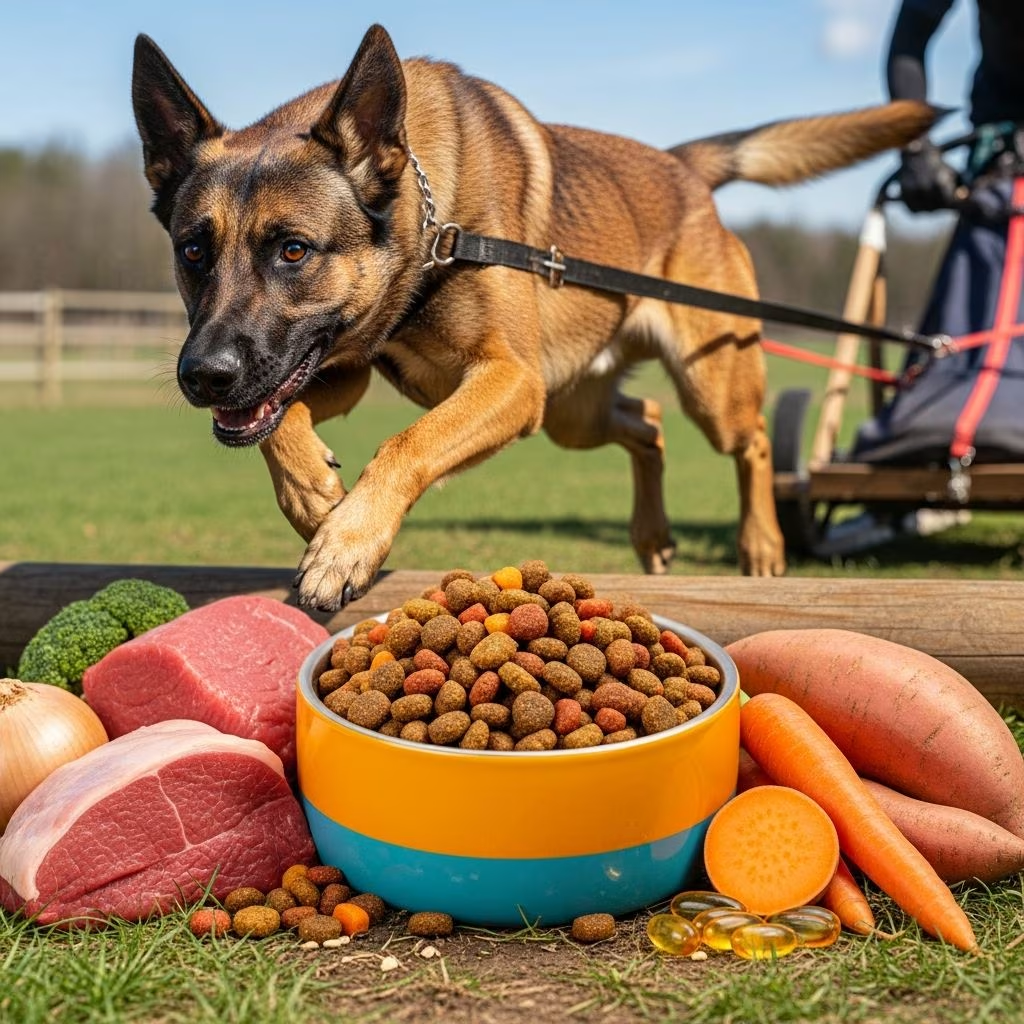
Proper Nutrition for Working Dogs: A Complete Feeding Guide
Working dogs are athletes that demand specialized nutrition to perform at their peak. Whether your dog herds livestock, works in search and rescue, or serves as a service animal, the demands placed on their body require a carefully calibrated diet that goes beyond standard commercial dog food. Understanding the nutritional needs of working dogs is essential for maintaining their health, preventing injury, and ensuring they can work effectively throughout their careers.
The fundamental principle behind working dog nutrition is straightforward: these dogs expend enormous amounts of energy daily and require fuel that matches their activity level. A working dog’s metabolic needs can be 1.5 to 2.5 times greater than a sedentary dog, making proper nutrition not just beneficial but essential for optimal performance.
Why Working Dogs Need Specialized Nutrition
Working dogs face unique physiological demands that standard pet food cannot adequately address. These dogs engage in sustained physical activity, rapid acceleration and deceleration, jumping, running, and problem-solving—all of which tax their muscular and skeletal systems far more than typical household pets experience. The intensity and duration of their work directly impacts their nutritional requirements.
A working dog’s body functions similarly to that of a human athlete preparing for endurance competition. Just as a marathoner needs sustained energy rather than quick bursts, working dogs require slow-release energy sources that prevent premature fatigue and maintain consistent performance throughout long workdays. Additionally, working dogs benefit from enhanced recovery nutrition to address muscle microtrauma and joint stress accumulated during their duties.
Research confirms that working dogs maintained on appropriate high-protein and high-fat diets experience significantly fewer musculoskeletal injuries compared to those fed standard maintenance formulas. This difference in injury rates underscores the importance of specialized nutrition as both a performance enhancer and injury preventative.
Key Nutritional Components for Working Dogs
Protein: The Foundation of Muscle Performance
Protein stands as the most critical macronutrient for working dogs. The primary benefit of adequate protein lies in its branched-chain amino acid (BCAA) content, which directly supports muscle building and recovery. Amino acids are the fundamental building blocks of muscle tissue, and since dogs cannot synthesize these compounds independently, they must obtain them through dietary sources.
Working dogs should receive diets containing 30-32% protein to support their elevated metabolic demands. This elevated protein level ensures that muscle tissue damaged during work can be efficiently repaired and strengthened. High-quality protein sources such as turkey, lamb, fish, and poultry should comprise the primary ingredients in working dog formulas. The digestibility of protein sources matters significantly—highly digestible proteins allow working dogs to absorb and utilize amino acids more efficiently, providing greater benefit from each meal.
Protein also supports the production of hemoglobin, which carries oxygen throughout the body. Enhanced hemoglobin production improves oxygen delivery to working muscles, directly translating to improved endurance and performance.
Fat: Long-Lasting Energy Source
Unlike human athletes who may optimize performance with complex carbohydrates, working dogs possess a unique metabolic advantage: their bodies can oxidize fat at significantly higher rates than humans. This physiological difference makes fat an ideal energy source for sustained working performance.
Working dog diets should contain 20-30% fat content to provide sustained energy and endurance. Dietary fats, particularly triglycerides, offer highly digestible energy that sustains working dogs throughout extended work periods. The higher caloric density of fat-rich diets means working dogs can consume appropriate calories in reasonable portion sizes—critical for dogs that need to work immediately after eating or who have limited feeding windows.
Fatty acids also reduce post-activity inflammation and support cardiovascular health, enabling working dogs to recover more efficiently between work sessions and maintain cardiovascular capacity for demanding tasks.
Carbohydrates: Vitamins, Minerals, and Fiber
While fat and protein dominate the nutritional profile of working dog food, complex carbohydrates remain important for providing essential vitamins, minerals, and fiber. Healthy working dog formulas include vegetables, herbs, and complex carbohydrates that offer micronutrients necessary for overall health and metabolic function.
Complex carbohydrate sources like oats, barley, and sweet potatoes provide sustained energy release without the blood sugar spikes associated with simple carbohydrates. These ingredients support digestive health and provide prebiotic fiber that promotes beneficial gut bacteria growth.
Hydration: The Often-Overlooked Essential
Water represents the most critical yet frequently overlooked nutrient for working dogs. Dehydration significantly impairs working dog performance by reducing heat tolerance, decreasing oxygen delivery capacity, and impairing cognitive function. Working dogs engaged in heat-producing exercise require constant access to fresh water and may need additional hydration support during extended work sessions.
Proper hydration becomes even more critical for dogs working in extreme temperatures—whether intense heat or severe cold. Dogs working in these conditions may require increased caloric intake beyond normal working dog requirements to maintain body temperature and performance capacity.
Recommended Protein and Fat Levels
Optimal nutrition for working dogs follows established guidelines based on veterinary nutritional science:
| Nutrient | Standard Dog Food | Working Dog Food | Purpose |
|---|---|---|---|
| Protein | 18-25% | 30-32% | Muscle building and recovery |
| Fat | 10-15% | 20-30% | Sustained energy and endurance |
| Calories | Standard maintenance | 1.5-2.5x normal intake | Meet elevated metabolic demands |
| Digestibility | Standard | High (>80%) | Maximum nutrient absorption |
Portion Sizes and Feeding Guidelines
Determining appropriate portion sizes requires assessment of individual work intensity and duration. A working dog expending significant energy daily typically requires 1.5 to 2.5 times the food volume of a comparably-sized sedentary dog. Dogs working in extreme environmental conditions—excessive heat or cold—may require even larger portions to maintain energy reserves and body temperature.
Portion sizing should be adjusted based on regular body condition assessment. Working dogs perform optimally when maintained in lean body condition, scored between 4 and 5 on a 9-point body condition scale. This means ribs should be easily felt but not visually prominent, with a visible waist when viewed from above. Overweight working dogs experience reduced performance capacity and increased injury risk, while underweight dogs lack energy reserves for optimal function.
Monitor your working dog’s body condition regularly and adjust portions as needed. Factors like seasonal workload changes, age, and individual metabolism all influence appropriate feeding amounts. Consultation with a veterinary nutritionist provides personalized guidance for optimal feeding strategies specific to your dog’s work demands.
Supplements for Enhanced Performance and Recovery
While a properly formulated working dog diet provides foundational nutrition, strategic supplementation can enhance performance, support recovery, and promote long-term health.
Glucosamine and Joint Support
Working dogs face significant joint stress from high-impact activities like running, jumping, and directional changes. Glucosamine supports joint health by facilitating synovial fluid production—the natural lubricant that enables smooth joint movement—and forming protective connective tissue. Combined with chondroitin and collagen, glucosamine supplements help maintain cartilage health and prevent age-related joint degradation, potentially extending a working dog’s productive career.
Omega-3 Fatty Acids
Omega-3 supplementation provides multiple benefits for working dogs. These fatty acids reduce post-activity inflammation, easing muscle soreness and accelerating tissue repair. Omega-3s also support cardiovascular and brain health, making them particularly valuable for dogs engaged in cognitively demanding work like service or detection tasks. Oily fish sources like salmon provide excellent omega-3 content, or liquid fish oil supplements offer easy incorporation into daily meals.
Additional Considerations
Beyond glucosamine and omega-3, consultation with your veterinarian or veterinary nutritionist can identify other beneficial supplements based on your dog’s specific work type, age, and health status. Some working dogs benefit from additional antioxidants, probiotics for digestive support, or specialized joint formulations.
Comparing Working Dog Food Versus Standard Formulas
While working dogs can technically survive on high-quality standard dog food without immediate harm, they will not thrive or perform optimally. Working dog-specific formulas differ fundamentally from maintenance diets in three critical ways: higher fat content for sustained energy, elevated protein levels for muscle development and recovery, and carefully selected whole food sources for superior digestibility.
Commercial dog foods often contain filler ingredients and lower protein percentages than specialized working dog formulas. These fillers provide bulk without substantial nutritional value, forcing working dogs to consume larger portions to meet caloric and protein requirements. Over time, underfeeding working dogs nutritionally leads to reduced performance capacity, increased injury susceptibility, and accelerated aging.
Specialized working dog formulas maximize nutrient density and digestibility, allowing working dogs to consume appropriate calories in reasonable portion sizes while meeting all nutritional requirements. This efficiency translates directly to sustained performance, faster recovery, and longer productive careers.
Nutritional Needs Throughout a Working Dog’s Life
Nutritional requirements change dramatically across different life stages. Puppies destined for working roles require specific calcium and phosphorus ratios to support proper skeletal development and reduce arthritis risk in adulthood. Incorrect mineral ratios during growth can cause irreversible bone disease, making breed-appropriate puppy nutrition critically important. Meat-based diets for puppies are generally not recommended due to excessive phosphorus and insufficient calcium, potentially causing developmental orthopedic disease.
Adult working dogs require the high-protein, high-fat formulas discussed throughout this guide. Senior working dogs may benefit from adjusted nutrients supporting aging joints and maintaining muscle mass despite reduced activity levels. Working with a veterinary nutritionist ensures age-appropriate nutrition throughout your dog’s entire lifespan.
Practical Feeding Strategies
Implementing proper nutrition involves more than selecting the right food. Consider these practical strategies:
Meal Timing: Avoid feeding large meals immediately before intense work to prevent digestive upset. Consider splitting daily portions into multiple smaller meals, particularly for high-intensity work days.
Water Access: Ensure constant access to fresh, clean water. During extended work sessions, offer water breaks regularly, particularly in warm weather or high-exertion scenarios.
Transition Periods: When changing working dog foods, transition gradually over 7-10 days to prevent digestive upset and allow your dog’s system to adapt.
Quality Verification: Select brands formulated by veterinary nutritionists, backed by feeding trials, and meeting AAFCO guidelines for working or performance dogs.
Regular Monitoring: Assess body condition score weekly and adjust portions accordingly. Monitor energy levels, recovery quality, and coat health as indicators of nutritional adequacy.
Frequently Asked Questions
Q: Can working dogs eat regular dog food?
A: While high-quality regular dog food won’t harm working dogs, it contains insufficient protein and fat to meet their elevated energy demands. Working dogs will underperform and tire more easily without specialized nutrition designed for their activity level.
Q: How much more should I feed a working dog?
A: Working dogs typically require 1.5 to 2.5 times the food volume of sedentary dogs, with adjustments based on work intensity and environmental conditions. Individual assessment and body condition monitoring determine precise amounts.
Q: What’s the ideal body condition for working dogs?
A: Working dogs perform optimally at a body condition score of 4-5 on a 9-point scale, where ribs are easily felt but not visually prominent and a waist is visible from above.
Q: Are supplements necessary for working dogs?
A: While not essential, strategic supplements like glucosamine and omega-3 fatty acids provide significant benefits for joint health, recovery, and performance in working dogs.
Q: How does exercise intensity affect nutritional needs?
A: Exercise intensity and duration directly determine whether a dog’s metabolism relies predominantly on fatty acids, glucose, or both, helping guide appropriate diet selection and portion sizes.
Q: What about puppies destined for working roles?
A: Working dog puppies require breed-appropriate diets with correct calcium and phosphorus ratios to support proper skeletal development and reduce adult arthritis risk.
References
- What to Feed a Working Dog? A Nutrition Guide — Pooch & Mutt. https://www.poochandmutt.co.uk/blogs/nutrition/working-dog-feeding-guide
- Nutrition of Working Dogs: Feeding for Optimal Performance — National Center for Biotechnology Information (PubMed). 2021. https://pubmed.ncbi.nlm.nih.gov/34059257/
- Nutritional Needs of Working Dogs — Eukanuba. https://www.eukanuba.com/nz/articles/nutrition/nutritional-needs-of-working-dogs
- Treat Your Working Dogs Like Athletes — Vet Services Hawke’s Bay. https://www.vshb.co.nz/articles/working-dogs/
- Dog Nutrition: Guide to Dog Food Nutrients — PetMD. https://www.petmd.com/dog/nutrition/evr_dg_whats_in_a_balanced_dog_food
- Nutrition for Active, Working and Sporting Dogs — Purina Institute. https://www.purinainstitute.com/centresquare/focused-nutrition/nutrition-for-active-working-and-sporting-dogs
- Nutritional Needs of Performance Dogs — VCA Animal Hospitals. https://vcahospitals.com/know-your-pet/nutritional-needs-of-performance-dogs



