

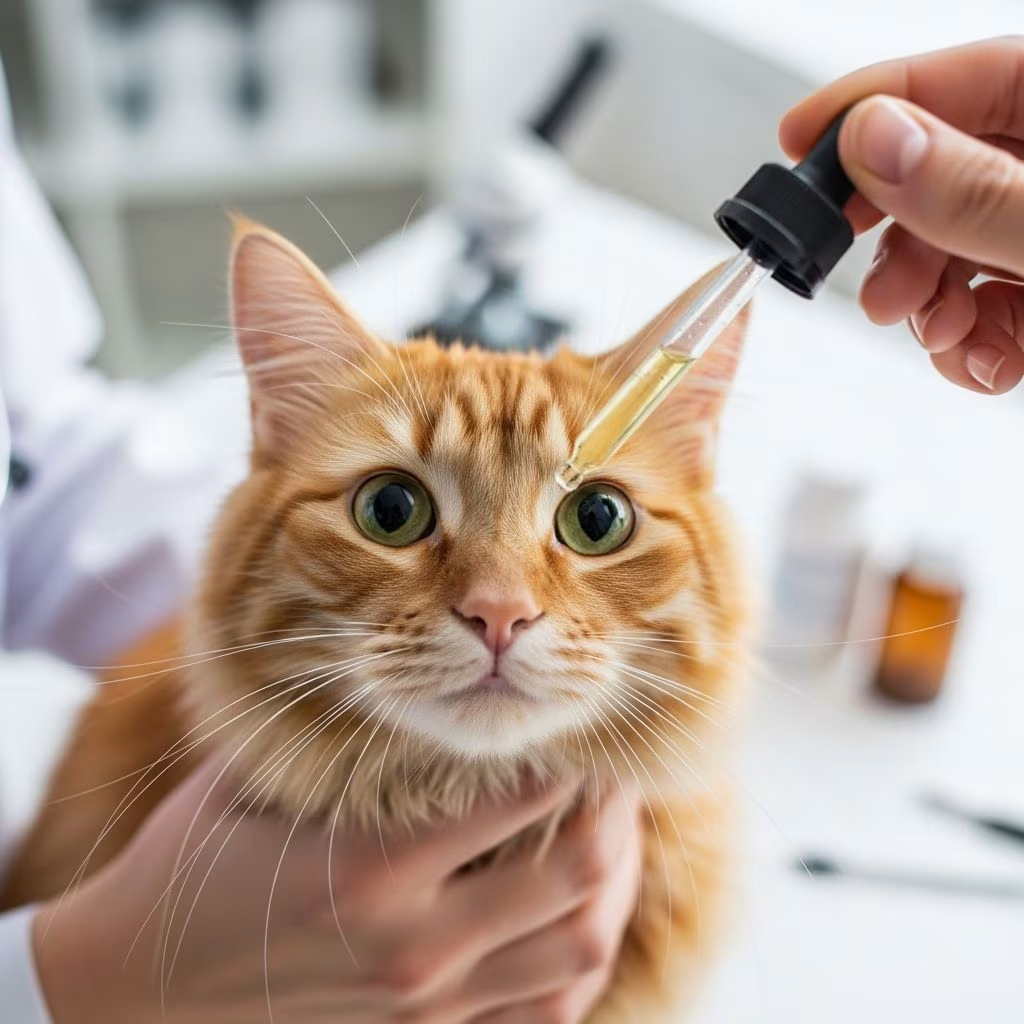
Phenylpropanolamine, commonly known by the brand name Proin, serves as a key medication in veterinary care for addressing urinary incontinence in cats. This sympathomimetic agent works by tightening the urethral sphincter through vasoconstriction, helping prevent urine leakage.
Understanding Urinary Incontinence in Felines
Urinary incontinence in cats manifests as involuntary urine dribbling, often linked to weakened urethral sphincter muscles. Unlike dogs where this issue is more prevalent, it remains rare in felines but can stem from sphincter hypotonia or bladder dysfunction.
Symptoms include wet fur around the rear, frequent small puddles, or discomfort during elimination. Primary incontinence, treatable with Proin, differs from secondary causes like infections or stones, which require separate diagnostics such as urinalysis or imaging.
Mechanism of Action
Proin stimulates alpha-adrenergic receptors, causing blood vessels near the bladder to constrict. This enhances urethral muscle tone, reducing leakage. Effects begin within 1-2 hours, with noticeable improvements soon after.
Veterinary Prescription and Usage
Always obtain Proin through a veterinarian after confirming the diagnosis. It is used off-label in cats, meaning dosing draws from canine protocols adapted for feline physiology.
- Consult a vet for full health screening before starting.
- Discuss concurrent medications to avoid interactions.
- Monitor progress with follow-up visits.
Recommended Dosages for Cats
Dosages vary by weight and formulation. Cats often receive lower amounts than dogs due to size differences.
| Form | Typical Dose | Frequency |
|---|---|---|
| Tablet (12.5 mg) | 12.5 mg per cat | Three times daily |
| Sustained-release capsule (75 mg) | One capsule | Once daily |
| General range | 0.4-0.8 mg/lb | Every 12 hours or three times daily |
Administer with food to improve palatability and reduce stomach upset. Liver-flavored chewables appeal to cats.
Administration Best Practices
Pill the medication directly or hide in treats. Liquid forms allow precise measurement via syringe.
- Give larger doses at night if leakage worsens then.
- Maintain consistent timing for steady blood levels.
- Store at room temperature, away from light and moisture.
Expected Benefits and Onset
Most cats show reduced incontinence within days. Long-term use maintains control, sometimes paired with lifestyle changes like frequent litter access.
Potential Side Effects
Common mild effects include restlessness, appetite loss, vomiting, diarrhea, increased thirst, and heart rate elevation.
Severe reactions demand immediate vet attention:
- High blood pressure signs (panting, agitation)
- Difficulty breathing
- Tremors or seizures
- Collapse
Overdose risks hypertension, tachycardia, or coma; seek emergency care.
Contraindications and Precautions
Avoid in cats with:
- Heart disease, hypertension, glaucoma
- Diabetes, hyperthyroidism, kidney issues
- Pregnancy or lactation (un studied)
- Allergies to phenylpropanolamine
Proin elevates blood pressure and heart rate, exacerbating these conditions.
Drug Interactions
Caution with:
| Drug Class | Examples | Risk |
|---|---|---|
| MAO Inhibitors | L-Deprenyl (selegiline) | Severe hypertension |
| Tricyclic Antidepressants | Amitriptyline | Cardiovascular effects |
| NSAIDs | General | Increased side effects |
| Anesthetics | Various | Blood pressure changes |
Inform your vet of all supplements and treatments.
Managing Missed Doses
If missed, give as soon as remembered unless near next dose—then skip and resume schedule. Never double dose, as it heightens toxicity risk.
Duration of Treatment
Often long-term; vets may taper if symptoms resolve. Minimum 28 days for mild cases, longer for severe. Regular check-ups assess need.
Monitoring Your Cat
Track urine spots, behavior, appetite, and vitals. Blood pressure checks help detect issues early.
- Weigh cat periodically for dose adjustments.
- Watch litter habits for underlying problems.
Alternatives to Proin
If unsuitable, options include:
- Dietary changes or supplements for bladder support.
- Other meds like estrogen compounds (off-label).
- Surgery for sphincter repair in refractory cases.
Vet guidance tailors choices.
Frequently Asked Questions (FAQs)
Is Proin safe for all cats?
No, contraindicated in those with heart, blood pressure, or endocrine disorders. Vet approval essential.
How quickly does Proin work in cats?
Effects start in 1-2 hours; clinical improvement follows days of consistent use.
Can Proin be used long-term?
Yes, many cats tolerate extended therapy with monitoring.
What if my cat vomits after Proin?
Contact vet; may need dose tweak or anti-nausea aid.
Is Proin FDA-approved for cats?
Primarily for dogs; feline use is off-label but common.
Holistic Support for Feline Bladder Health
Complement Proin with weight management, stress reduction via pheromones, and increased water intake. Clean litter boxes multiple times daily minimize accidents.
Annual wellness exams catch issues early. For persistent cases, ultrasound evaluates bladder structure.
References
- Phenylpropanolamine (Proin®, PPA) for Dogs and Cats — PetPlace. Accessed 2026. https://www.petplace.com/article/drug-library/drug-library/library/phenylpropanolamine-proin-ppa-for-dogs-and-cats
- Proin Urinary Chewable Tablets for Pets — PetCareRx. Accessed 2026. https://www.petcarerx.com/proin-phenylpropanolamine/10909
- Proin 25 mg Chewable 60 ct — 1800PetMeds. Accessed 2026. https://www.1800petmeds.com/dog/rx-medication/product/proin-phenylpropanolamine-hydrochloride-urinary/prod10304.html
- Proin for Cats: Phenylpropanolamine Uses and Side Effects — GoodRx. Accessed 2026. https://www.goodrx.com/pet-health/cat/proin-for-cats
- Toxicology Brief: Phenylpropanolamine toxicosis in dogs and cats — dvm360. Accessed 2026. https://www.dvm360.com/view/toxicology-brief-phenylpropanolamine-toxicosis-dogs-and-cats
- Phenylpropanolamine – VCA Animal Hospitals — VCA. Accessed 2026. https://vcahospitals.com/know-your-pet/phenylpropanolamine



