

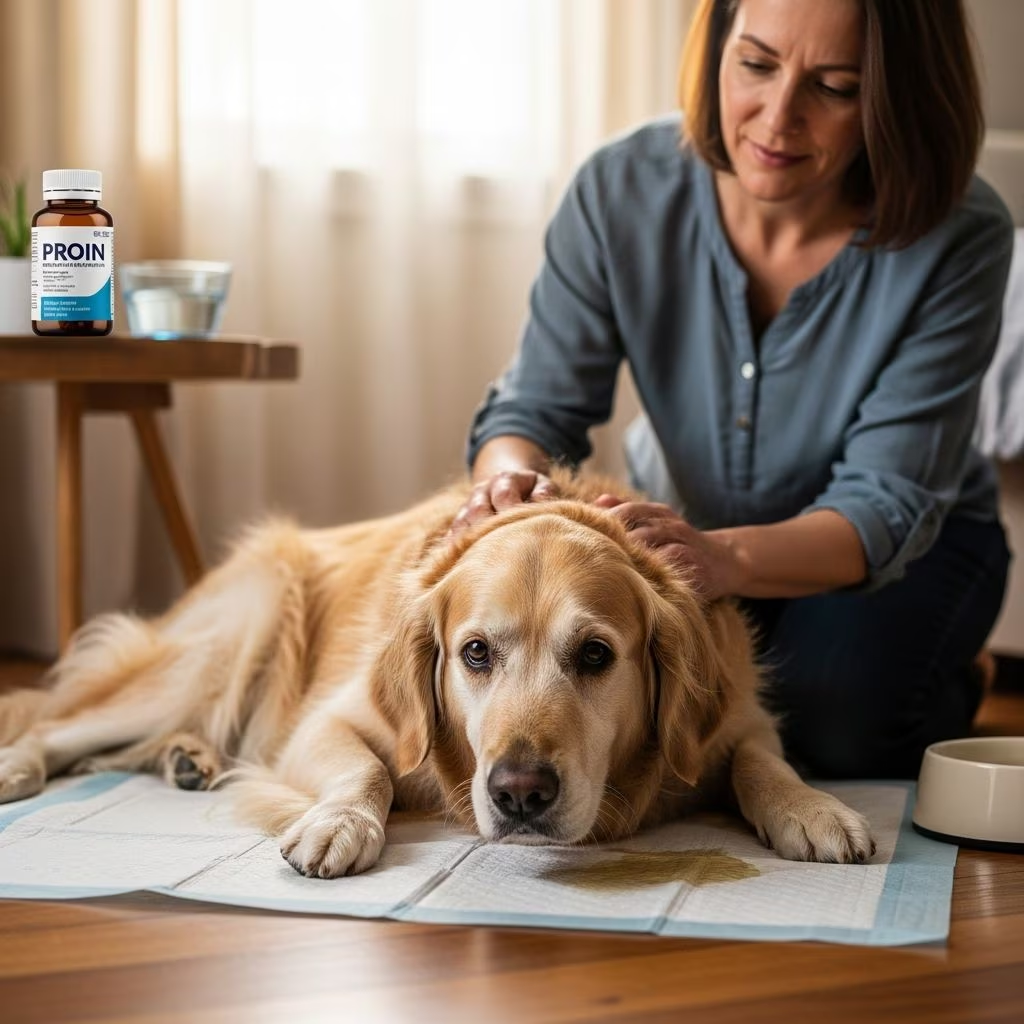
Urinary incontinence in dogs can significantly impact both the pet’s quality of life and the household environment. One of the most widely prescribed medications to address this condition is Proin, a pharmaceutical solution that has helped thousands of dogs manage involuntary urine leakage. Understanding how this medication works, its benefits, potential risks, and proper administration is essential for pet owners considering this treatment option for their canine companions.
Understanding Canine Urinary Incontinence
Urinary incontinence occurs when dogs lose voluntary control over their bladder, resulting in involuntary urine leakage. This condition can manifest in various ways, affecting dogs of different ages and breeds. Pet owners may notice their dogs frequently urinating, leaking urine while lying down or sleeping, or displaying excessive licking of the genital area. The genital region may also appear red and irritated due to constant exposure to urine.
This condition can develop for various reasons, including age-related changes, hormonal imbalances, nerve damage, or underlying medical conditions. Regardless of the underlying cause, the emotional toll on both pet and owner can be substantial, making effective treatment options like Proin valuable in restoring comfort and dignity to affected dogs.
What Proin Is and How It Functions
Proin is a medication containing phenylpropanolamine (PPA), a decongestant that works by stimulating receptors in the bladder’s smooth muscle. By tightening these muscles, the medication enhances the bladder’s ability to retain urine and increases urethral resistance, thereby reducing involuntary urine leakage. The medication comes in two formulations: traditional chewable tablets and Proin ER, an extended-release version designed to provide more consistent medication levels throughout the day.
The extended-release formulation is particularly beneficial because it maintains steady concentrations of phenylpropanolamine in the bloodstream. This controlled delivery system helps minimize fluctuations that could lead to inadequate bladder control or increased side effects. The sustained release approach represents an advancement in canine incontinence management, offering pet owners a more convenient dosing schedule compared to multiple daily administrations.
Effectiveness and Timeline for Results
Pet owners should understand that Proin functions as a symptom manager rather than a cure for urinary incontinence. The medication helps control the condition but does not permanently resolve the underlying cause. When administered correctly, Proin can begin working within approximately one hour of administration, though the timeline for noticeable improvement varies depending on several factors.
The severity of the incontinence, the dog’s weight, age, and overall health status all influence how quickly pet owners observe improvements. Some dogs may show significant improvement after the first dose, while others may require several doses before noticeable changes occur. Patience and consistent administration are crucial components of successful treatment with this medication.
Common Side Effects and Management
While Proin is generally considered safe when administered as directed by a veterinarian, like all medications, it can produce side effects in some dogs. Understanding these potential reactions helps pet owners distinguish between normal, manageable effects and those requiring immediate veterinary attention.
Mild Side Effects
- Vomiting and diarrhea
- Decreased appetite or loss of appetite
- Increased thirst and water consumption
- Restlessness and hyperactivity
- Irritability and agitation
- Excessive drooling or salivation
- Tiredness or decreased energy levels
- Vocalization or unusual vocalizations
- Confusion or behavioral changes
These mild side effects typically resolve within a few days as the dog’s body adjusts to the medication. If they persist beyond this timeframe or become concerning, pet owners should contact their veterinarian for guidance. In many cases, continuing treatment under veterinary supervision allows these effects to diminish naturally.
Serious Side Effects Requiring Immediate Attention
- Seizures or tremors
- Difficulty breathing or respiratory distress
- Collapse or loss of consciousness
- Stroke-like symptoms, such as inability to walk normally
- Abnormal gait or coordination problems
- Weakness or fever
- Panting or rapid breathing
- Blood in urine or urine retention
- Kidney failure or liver enzyme elevations
- Swelling of the lips, tongue, or face
- Hives or skin reactions
If a dog experiences any of these serious side effects, owners should discontinue the medication immediately and contact their veterinarian or emergency veterinary clinic without delay. These reactions require professional medical evaluation and intervention.
Important Precautions and Contraindications
Proin is not appropriate for all dogs. Certain health conditions and circumstances warrant caution or make the medication unsuitable entirely. Pet owners must inform their veterinarian of any existing health conditions before beginning Proin therapy.
Conditions Requiring Caution
Dogs with pre-existing heart disease, high blood pressure, liver disease, or kidney insufficiency require careful monitoring if prescribed Proin, as the medication can elevate blood pressure. Similarly, dogs with glaucoma, diabetes mellitus, elevated thyroid hormone levels, or conditions associated with high blood pressure should only receive this medication under close veterinary supervision.
Absolute Contraindications
Proin should not be administered to dogs weighing less than ten pounds, as safety and efficacy have not been established in smaller breeds. Pregnant or lactating dogs should not receive this medication, as it may affect fetal development or milk production. Dogs with a history of seizures should avoid Proin, as the medication can lower seizure thresholds and increase seizure risk. Additionally, dogs with known allergies to phenylpropanolamine should never receive this medication.
Drug Interactions and Medication Compatibility
Proin can interact with several other medications, potentially affecting their efficacy or increasing adverse effects. Pet owners must provide their veterinarian with a complete list of all medications, supplements, and other treatments their dog receives.
Medications requiring cautious concurrent use with Proin include nonsteroidal anti-inflammatory drugs (NSAIDs), aspirin, ephedrine, epinephrine, monoamine oxidase inhibitors (MAOIs) like anipryl and selegiline, certain antidepressants, and specific flea prevention collars like Preventic collars. Additionally, certain anesthetic agents including isoflurane, sevoflurane, and desflurane may interact with Proin. The medication reserpine should also be used cautiously with Proin due to potential interactions.
Veterinarians may adjust dosages, monitor more frequently, or select alternative treatments when dogs require medications that interact with Proin. Never start or stop any medication without veterinary consultation, as doing so could compromise treatment effectiveness or create safety risks.
Dosage Considerations and Administration
Proin dosage varies based on individual dog characteristics, including weight, age, and response to treatment. Veterinarians determine the appropriate dose for each patient, and pet owners should follow these instructions precisely. The extended-release formulation may allow for once or twice daily dosing, improving compliance and convenience compared to more frequent dosing schedules.
Dogs can transition from standard Proin chewable tablets to Proin ER without interrupting treatment. However, alternating between these two formulations is not recommended, as the safety and effectiveness of interchangeable use have not been adequately evaluated. Pet owners should maintain consistency with the formulation prescribed by their veterinarian.
Sensitivity Development and Long-Term Use
Drug sensitivities can develop over time with repeated exposure to phenylpropanolamine. A dog may show no adverse reaction to initial doses but develop sensitivity later in the treatment course. This means pet owners should remain vigilant throughout the entire treatment period, watching for signs of allergic reactions such as irregular breathing, rash, fever, or puffiness and swelling around the face or mouth. Any concerning signs should be reported to the veterinarian promptly.
Managing Missed Doses and Overdose Situations
If a dose of Proin is accidentally skipped, urinary incontinence symptoms will likely return until treatment resumes. This reinforces the medication’s role as an ongoing management tool rather than a permanent solution. Pet owners should establish consistent dosing schedules and set reminders to minimize missed doses.
In cases where a dog accidentally receives more than the prescribed dose, pet owners should contact their veterinarian or poison control immediately. Overdose situations require professional evaluation to ensure appropriate care and monitoring.
Discontinuing Proin: When and How
Although Proin is typically prescribed for long-term management, some pet owners may eventually consider discontinuing the medication, particularly if positive results persist over extended periods. However, this decision should never be made independently without veterinary guidance.
In some cases, dogs have been discontinued from Proin without apparent adverse effects, but the safest approach involves gradual dose reduction under veterinary supervision. This allows veterinarians to monitor whether the dog’s body reverts to involuntary urine leakage. The likelihood of incontinence returning depends largely on the underlying cause of the original condition and whether that cause has been resolved or modified.
Pet owners should never attempt to wean their dogs off any prescription medication without explicit veterinary direction, as doing so could result in unnecessary complications or inadequate incontinence management.
Frequently Asked Questions About Proin
- How long does Proin take to work?
- Proin typically begins working within approximately one hour of administration, though noticeable improvements in urinary control may take several doses depending on the dog’s condition severity and individual response.
- Is Proin safe for long-term use?
- Proin is designed for long-term management of urinary incontinence and can be used safely when administered as directed by a veterinarian with appropriate monitoring for side effects and drug interactions.
- Can Proin cure urinary incontinence?
- No, Proin manages symptoms of urinary incontinence but does not cure the underlying condition. Discontinuing the medication typically results in the return of incontinence symptoms.
- What should I do if my dog misses a dose?
- If a dose is missed, administer the next dose as scheduled. Do not double dose. Incontinence symptoms may temporarily return until the medication routine is re-established.
- Are there alternatives to Proin?
- Pet owners should discuss alternative incontinence management options with their veterinarian if Proin is not suitable or if side effects are problematic.
- Does Proin interact with other medications?
- Yes, Proin can interact with NSAIDs, certain antidepressants, MAOIs, and other medications. Always inform your veterinarian about all treatments your dog receives.
Monitoring Your Dog on Proin
Pet owners should actively monitor their dogs while they receive Proin therapy. Regular observation helps identify both positive responses and potential adverse effects early. Maintaining communication with the veterinarian about the dog’s progress, any behavioral changes, or physical symptoms ensures that treatment remains optimal.
Scheduled veterinary check-ups allow the veterinarian to assess treatment effectiveness, monitor for complications, and adjust therapy if needed. These visits also provide opportunities to discuss any concerns about side effects or to explore modifications to the treatment plan if current approaches prove inadequate.
Proin represents a valuable pharmaceutical tool for managing canine urinary incontinence, offering many dogs improved quality of life and greater comfort. By understanding how the medication works, recognizing potential side effects, and following veterinary guidance carefully, pet owners can make informed decisions about whether this treatment aligns with their dog’s health needs and circumstances.
References
- Proin – PetCareRx — PetCareRx. Accessed February 2026. https://www.petcarerx.com/article/proin/6678
- Proin For Dogs: Incontinence Medicine, Dosage & Side Effects — Pawlicy. Accessed February 2026. https://www.pawlicy.com/blog/proin-for-incontinence-in-dogs/
- How does Proin help dogs? — Fetch Pet Insurance. Accessed February 2026. https://www.fetchpet.com/the-dig/proin-for-dogs
- Phenylpropanolamine — VCA Animal Hospitals. Accessed February 2026. https://vcahospitals.com/know-your-pet/phenylpropanolamine
- Product Details – Proin ER™ — Proin ER. Accessed February 2026. https://www.proin-er.com/product-details/
- PROIN® – PRN Pharmacal — PRN Pharmacal. Accessed February 2026. https://www.prnpharmacal.com/products/pharmaceuticals/proin/



