

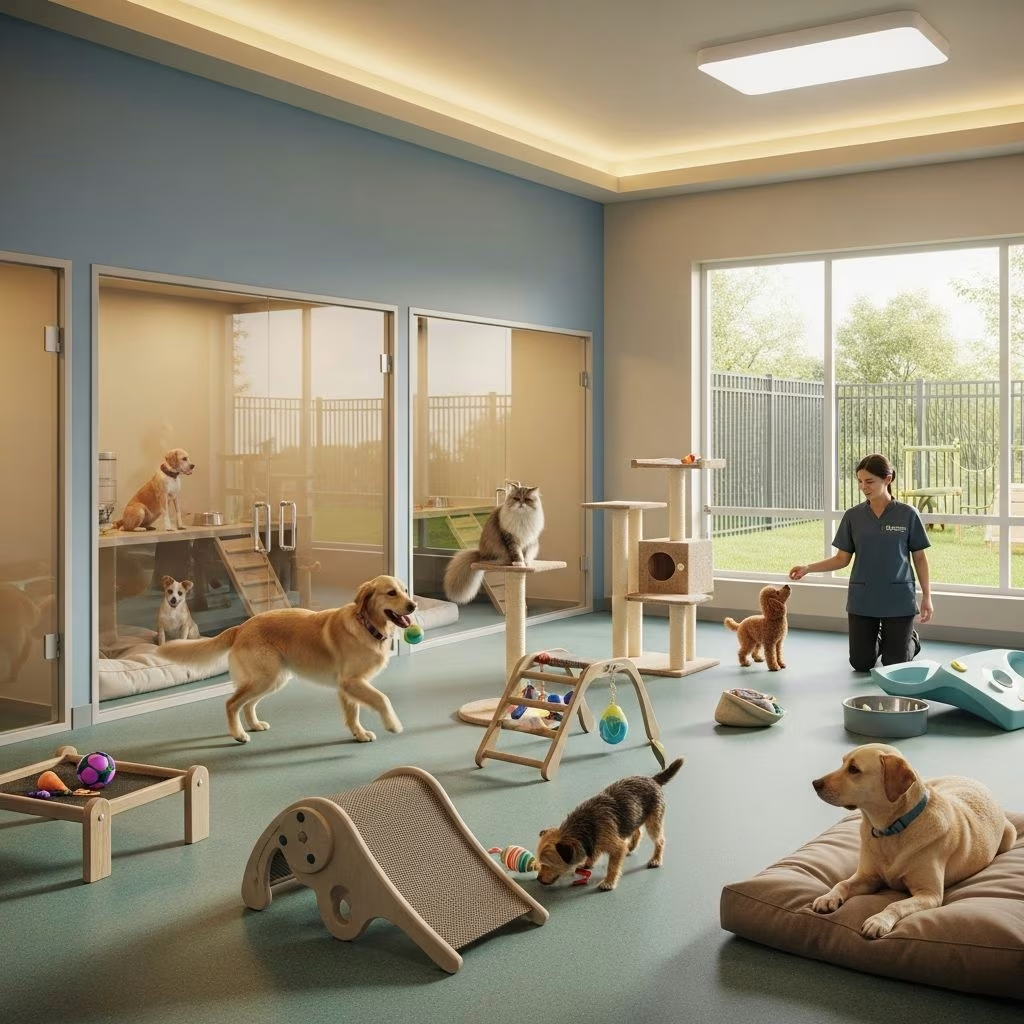
Professional Pet Boarding Services: Comfort and Care While You’re Away
When life takes you away from home, finding a trustworthy place to care for your beloved pet becomes essential. Whether you’re planning a weekend getaway, an extended vacation, or a business trip, your furry companion deserves the same level of comfort and attention they receive at home. Professional pet boarding facilities provide a secure, comfortable environment where your pet can stay while you’re away, ensuring their physical health and emotional well-being are prioritized.
Pet boarding has evolved significantly over the years, transforming from basic kennel services into comprehensive pet care facilities that offer luxury accommodations, veterinary supervision, grooming services, and interactive play sessions. Modern boarding facilities understand that pets are cherished family members, and they’ve designed their services to reflect this philosophy. When you choose a reputable boarding facility, you gain peace of mind knowing your pet is in capable, caring hands.
Why Choose Professional Pet Boarding?
Professional pet boarding facilities offer numerous advantages over informal pet-sitting arrangements or asking friends to watch your pet. These facilities are equipped with trained staff, veterinary supervision, secure facilities, and structured daily routines that benefit your pet’s health and happiness.
Veterinary Supervision and Medical Care: One of the primary benefits of professional boarding is having immediate access to veterinary services. If your pet develops health issues during their stay, trained professionals and veterinarians are on-site to provide prompt care. This is particularly important for pets with chronic conditions, senior animals, or those requiring medication management. Many boarding facilities are connected to veterinary hospitals, ensuring comprehensive medical support throughout your pet’s stay.
Safe and Secure Environment: Well-maintained boarding facilities provide climate-controlled, secure environments designed specifically for animal care. These facilities feature appropriate spacing, clean accommodations, and safety protocols that protect your pet from escaping or encountering hazards. The secure environment gives you confidence that your pet cannot wander off or get into dangerous situations.
Professional Care and Attention: Boarding staff receive training in animal behavior, health assessment, and proper handling techniques. They understand individual pet needs and can identify signs of stress, illness, or other concerns. Professional caregivers provide the consistent, reliable attention that informal arrangements may not guarantee.
Accommodations and Amenities
Modern pet boarding facilities offer a variety of accommodations designed to suit different pet types and needs. These range from standard kennels to luxury suites, ensuring every pet can find appropriate housing.
Housing Options
Climate-Controlled Facilities: All accommodations are climate-controlled to maintain consistent, comfortable temperatures regardless of outdoor weather conditions. This climate control is essential for pet safety and comfort, preventing heat stress in summer or chilling in winter months.
Spacious Kennels and Runs: Quality boarding facilities feature spacious indoor runs and kennels designed to allow pets to move comfortably and naturally. Large indoor runs provide adequate space for dogs to stretch, turn around, and rest without feeling confined. For cats, facilities typically offer spacious condos with multiple levels, providing vertical space and privacy.
Luxury Suite Options: Many facilities offer premium accommodation options for pets whose owners want extra pampering. These luxury suites may include additional amenities, larger spaces, and enhanced comfort features. Some facilities provide webcam access so owners can observe their pets throughout their stay.
Comprehensive Services
Beyond basic boarding, facilities typically offer a range of additional services:
- Spa services and full grooming, including baths, nail trims, and styling
- Professional grooming and hygiene maintenance
- One-on-one play sessions and interactive activities
- Private training sessions to work on behavioral goals
- Medication administration and specialized medical care
- Daily walks and exercise activities
- Annual health checkups and vaccinations
- Routine nail trims and bathing services
Daycare and Play Day Options
In addition to overnight boarding, many facilities offer daytime pet care services that provide excellent alternatives for busy pet owners.
Doggy Daycare
Doggy daycare services keep your dog supervised and engaged throughout the day while you’re at work or handling other responsibilities. These programs feature carefully structured activities designed to keep most dogs well-socialized and appropriately exercised. Trained staff supervise all activities, ensuring dogs interact safely and appropriately with other animals.
Daycare facilities use supervised play groups and individual activities to provide mental stimulation and physical exercise. This keeps dogs engaged, reduces boredom-related behaviors, and promotes healthy sleep patterns. Many pets find daycare enjoyable and look forward to their play sessions.
Play Days
For pets whose owners need occasional care rather than full boarding, many facilities offer flexible play day options. These shorter visits allow pets to enjoy supervised play, socialization, and exercise without requiring an overnight stay. Play days are ideal for owners with unpredictable schedules or those who need supplemental care between boarding stays.
Cat Boarding Services
Cats have unique boarding needs that differ significantly from dogs. Reputable facilities recognize these differences and provide specialized cat boarding services.
Specialized Cat Care
Boarding facilities that cater to cats understand feline behavior and create environments that reduce stress. Cats are often more sensitive to environmental changes than dogs, so quality facilities provide secure, quiet spaces where cats can feel safe and secure. Many facilities offer separate cat areas to prevent stress from nearby dogs or unfamiliar animals.
Cat boarding is particularly important for cats with medical conditions requiring monitoring or medication. Trained staff can administer medications as prescribed, monitor vital signs, and watch for health changes. This specialized attention is crucial for senior cats, cats with diabetes, kidney disease, or other chronic conditions.
Comfort and Enrichment
Quality cat boarding includes environmental enrichment such as scratching posts, climbing structures, and interactive toys. Spacious cat condos with multiple levels provide exercise opportunities and privacy. Staff check on cats regularly, provide food and fresh water, maintain litter boxes, and offer social interaction at the cat’s comfort level.
Dog Boarding Services
Dogs have social needs and energy levels that require specific attention during boarding stays. Professional dog boarding services address these requirements through structured care and activities.
Daily Activities and Exercise
Dogs require regular exercise and mental stimulation to remain happy and healthy during boarding stays. Many facilities provide multiple daily walks, supervised play sessions, and interactive activities. Exercise routines help maintain dogs’ physical fitness, reduce stress, and promote better sleep during overnight stays.
Socialization and Play Groups
Some boarding facilities offer supervised group play sessions where compatible dogs can interact and socialize. These controlled play environments provide important social stimulation while trained staff monitor interactions for safety. Not all dogs are suitable for group play, so facilities typically assess temperament and provide appropriate individualized options.
Medical Monitoring
Dog boarding facilities monitor canine health throughout the stay, watching for appetite changes, behavioral shifts, or signs of illness. Staff trained in recognizing health issues can alert veterinarians to concerns requiring medical attention. This is especially important for dogs with pre-existing medical conditions or older animals requiring close supervision.
Health Requirements and Vaccinations
Reputable boarding facilities maintain strict health requirements to protect all animals in their care. These requirements typically include current vaccinations and parasite prevention.
Required Vaccinations
Most boarding facilities require documentation of essential vaccinations administered by licensed veterinarians. Universal vaccination requirements typically include:
- Rabies vaccination
- Canine distemper (for dogs)
- Parvovirus (for dogs)
- Bordetella (kennel cough)
- Feline viral rhinotracheitis, calicivirus, and panleukopenia (for cats)
Vaccination Timing: Vaccinations should be administered at least one week before the boarding stay for optimal protection. Vaccines administered less than one week before boarding may not provide adequate immunity. Owners should plan ahead and schedule vaccinations well in advance of travel dates.
Documentation Requirements: Written proof of vaccination from a licensed veterinarian is required for all boarding pets. Owner-administered vaccines are not accepted; proof must come from veterinary sources. All applicable pet licenses should also be current and documented.
Parasite Prevention
Parasite prevention is essential for maintaining a healthy boarding environment. Facilities typically accept owner-administered flea and tick treatments using approved topical or oral products. However, if parasites are discovered on your pet despite owner-administered treatment, the facility will provide treatment at additional cost.
Many facilities offer their own parasite prevention services, including monthly topical treatments and three-month oral medications. These professional-grade treatments may provide more reliable protection and simplify the pre-boarding process.
What to Bring and Leave Behind
Preparing your pet for boarding requires careful consideration of what items to bring and what to leave at home.
What Pets Can Bring
- Medications in original containers with clearly labeled dosage instructions
- Feeding schedules or special dietary instructions
- Emergency contact information and veterinarian details
- Behavioral notes or special handling requirements
What NOT to Bring
Facilities typically request that owners not bring the following items:
- Beds or bedding from home
- Bowls or feeding dishes
- Personal toys (unless approved by the facility)
- Cat carriers or travel crates
- Collars or leashes
This policy helps maintain facility cleanliness, prevent disease transmission, and ensure consistency in pet care. Facilities provide appropriate bedding, feeding equipment, and toys designed for their environment and safety standards.
Preparing Your Pet for Boarding
Successful boarding experiences often begin with proper preparation. Taking time to acclimate your pet to boarding reduces stress and anxiety.
Pre-Boarding Visits
Many experts recommend scheduling short pre-boarding visits lasting a few hours to allow your pet to become accustomed to the facility and staff. These trial visits help pets understand that boarding is temporary and that their owners will return. One or two short stays before a longer trip can significantly reduce anxiety and help pets adjust to being away from home.
Health Preparation
Ensure your pet is in good health before boarding. Schedule a pre-boarding veterinary checkup if your pet has health concerns. Discuss any medical issues, medications, or special dietary needs with boarding staff. Provide clear written instructions for medication administration and any special care requirements.
Comfort Items
While facilities don’t accept personal bedding or toys, bringing your dog’s own blanket or a favorite toy may help them feel more comfortable, assuming the facility approves. These familiar scents can provide emotional comfort during adjustment periods.
Stress Management
Some pets experience significant boarding anxiety. If your dog shows extreme stress, consult your veterinarian about calming medications or other behavioral support options. Medications prescribed specifically for boarding can help anxious pets relax and adapt more comfortably.
Boarding Hours and Reservations
Understanding facility hours ensures smooth drop-off and pickup procedures. Typical boarding hours vary by location but commonly include:
- Monday-Friday: 7:00 AM – 6:00 PM
- Saturday: 8:00 AM – 2:00 PM
- Sunday: 8:00 AM – 2:00 PM
These hours accommodate most pet owners’ schedules. Early morning drop-off and afternoon pickup options provide flexibility for working professionals. Contact your chosen facility directly for specific hours, as times may vary by location.
Make reservations well in advance, especially during peak travel seasons. Last-minute bookings may not be available, and advanced planning ensures your preferred accommodations and dates are secured.
Frequent Boarder Programs and Discounts
Many facilities offer loyalty programs rewarding repeat customers. These programs make regular boarding more affordable and convenient.
Punch Card Programs
Frequent boarder punch cards typically work by awarding one punch per night boarded. After collecting nine punches, customers can redeem them for a tenth night free. This program applies to each pet individually, so owners boarding multiple pets receive separate punch cards for each animal.
Note that specialized services like diabetic care or doctor-supervised boarding may not be eligible for discount programs, but standard boarding stays typically qualify for punch card benefits.
Emergency Authorization and Important Documents
Before boarding your pet, ensure you’ve completed necessary authorization paperwork.
Emergency Care Authorization
Leave written authorization for emergency veterinary care with the boarding facility. This authorization allows veterinarians to provide necessary treatment if your pet develops health issues during the stay. Include your veterinarian’s contact information, along with backup contact information for someone who can make decisions if you cannot be reached.
Medical Information
Provide comprehensive medical information including:
- Current medications and dosage instructions
- Known allergies or sensitivities
- Chronic health conditions requiring monitoring
- Behavioral quirks or special handling needs
- Dietary restrictions or preferences
- Veterinarian contact information
What to Expect Upon Pickup
When retrieving your pet after boarding, take time to evaluate their condition and discuss their stay with staff.
Health Assessment
Observe your pet’s general condition, as it indicates the standard of care received during boarding. A well-cared-for pet should appear healthy, with clean coat, clear eyes, and good body condition. Minor appetite changes during the first few visits are normal for pets unaccustomed to boarding, but these typically improve with repeated short visits.
Staff Communication
Ask boarding staff about your pet’s behavior, appetite, water intake, and overall adjustment to the facility. Understanding how your pet responded helps you gauge their comfort level and may inform future boarding decisions. Positive reports indicate your pet thrives in boarding environments, while concerns may require adjustments to future stays.
Frequently Asked Questions
Q: How do I know if my dog will be comfortable in a boarding kennel?
A: Most dogs settle into boarding life quickly despite their owners’ concerns. Try a short weekend or few-day stay before extended trips to assess how your dog adapts. Brief, frequent visits help pets adjust to being away and familiarize them with the facility and staff.
Q: Can I board my cat if she has medical conditions?
A: Yes, cat boarding is particularly ideal for cats with chronic medical conditions requiring monitoring or medication. Reputable facilities employ staff trained to administer medications, monitor health changes, and provide specialized care for senior or medically complex cats.
Q: What vaccinations does my pet need before boarding?
A: Dogs require rabies, distemper, parvovirus, and bordetella vaccines. Cats need feline viral rhinotracheitis, calicivirus, and panleukopenia vaccines. All vaccines must be administered by licensed veterinarians at least one week before boarding.
Q: Can I bring my pet’s favorite bed or toys?
A: Most facilities request that owners not bring personal bedding, bowls, or toys to maintain facility cleanliness and prevent disease transmission. However, some facilities may approve specific comfort items like a blanket with familiar scents.
Q: What should I do if my pet has extreme boarding anxiety?
A: Consult your veterinarian about calming medications or behavioral support options designed specifically for boarding situations. Gradual acclimation through short trial visits also helps reduce anxiety significantly.
Q: Are there discounts for frequent boarders?
A: Yes, many facilities offer punch card programs rewarding repeat customers with one free night for every nine nights boarded. Each pet receives their own punch card, and multiple pets earn separate rewards.
Q: What are the typical boarding hours?
A: Standard hours typically include Monday-Friday 7:00 AM to 6:00 PM, Saturday 8:00 AM to 2:00 PM, and Sunday 8:00 AM to 2:00 PM, though specific hours vary by location.
References
- VCA Premier Animal Hospital Pet Boarding Services — VCA Hospitals. 2025. https://vcahospitals.com/premier/services/pet-boarding
- VCA University Animal Hospital Pet Boarding — VCA Animal Hospitals. 2025. https://vcahospitals.com/university-tempe/services/pet-boarding
- Boarding Your Dog: A Comprehensive Guide — VCA Animal Hospitals. 2025. https://vcahospitals.com/know-your-pet/boarding-your-dog
- Fear Free Facility Certification Standards — Fear Free Happy Homes. 2024. https://fearfreehappyhomes.com
- Pet Health and Vaccination Guidelines — American Veterinary Medical Association. 2024. https://www.avma.org
- VCA Acacia Animal Hospital Pet Resort Services — VCA Hospitals. 2025. https://vcahospitals.com/acacia/services/pet-boarding



