

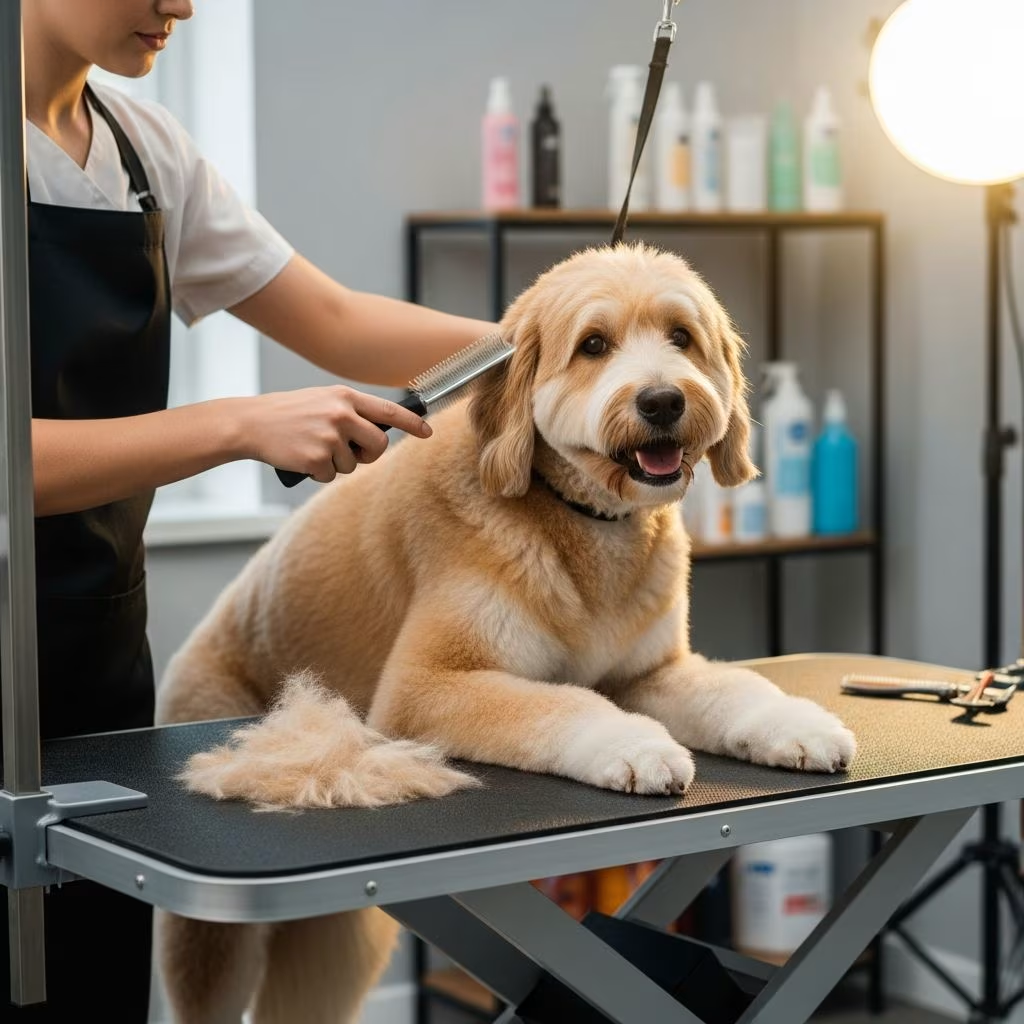
Professional grooming significantly outperforms home grooming in reducing dog itching and scratching behaviors, with data showing a 25% reduction from pro services compared to just 4% from DIY efforts. This makes pro grooming five times more effective for maintaining your dog’s skin health and comfort.
The Study: What the Data Reveals
The Pet Insight Project conducted a comprehensive study monitoring 200 dogs using Whistle health trackers, which accurately log licking and scratching frequency. Researchers analyzed data from 193 dogs, comparing one week before and after grooming sessions. Key results:
- Professional grooming only: 25% reduction in itching behaviors.
- Mix of pro and home grooming: 10% reduction.
- Home grooming only: Just 4% reduction.
These findings highlight why pet parents should prioritize professional services, especially for dogs prone to skin issues or heavy coats. The study underscores that while home efforts help minimally, they can’t match the thoroughness of trained groomers.
Why Professional Grooming Wins: Expert Insights
Dr. Aletha Carson, DVM and senior manager of data and clinical studies at Pet Insight, attributes the stark differences to groomers’ expertise. Professionals undergo years of training to identify subtle health signals that DIY groomers often miss.
Key advantages of pro grooming include:
- Early detection of ear infections, hotspots, and allergies through hands-on inspection.
- Proper use of medicated shampoos and conditioners tailored to specific skin conditions.
- Advanced techniques like hydrobaths or high-velocity dryers that remove allergens and debris more effectively than home setups.
“Professional groomers are primed to spot and help address tricky issues, such as ear infections and skin issues.” — Dr. Aletha Carson
Beyond health detection, pro grooming triggers the famous “post-groom zoomies,” a burst of energy signaling your dog’s relief and happiness. Clean, mat-free coats allow better air circulation to the skin, reducing irritation.
The Science Behind Itching in Dogs
Dog itching often stems from allergies, fleas, poor coat maintenance, or underlying conditions like atopic dermatitis. When dogs lick or scratch excessively, it can lead to hot spots, infections, and hair loss. Regular grooming removes dead undercoat, distributes natural oils, and eliminates irritants trapped in fur.
According to veterinary guidelines, breeds with dense or curly coats—like Poodles, Golden Retrievers, or Huskies—are most prone to matting, which traps moisture and bacteria, exacerbating itch. Professional tools, such as clippers and deshedding blades, address these issues far better than household scissors or brushes.
| Grooming Type | Itch Reduction | Best For |
|---|---|---|
| Professional | 25% | Itchy, fluffy, or allergy-prone dogs |
| Mixed | 10% | Maintenance between pro visits |
| DIY Only | 4% | Short-haired breeds with minimal needs |
This table summarizes the study’s outcomes, proving pros deliver superior results across scenarios.
Common Causes of Dog Itching and How Grooming Helps
Itching isn’t just annoying—it’s a symptom. Top triggers include:
- Flea allergy dermatitis: Even one flea bite can cause weeks of misery.
- Environmental allergies: Pollen, dust, or grass build up in coats.
- Food sensitivities: Often paired with ear infections, detectable during grooming.
- Matting and poor hygiene: Traps dirt, leading to bacterial overgrowth.
Pros mitigate these by clipping mats safely, cleaning ears thoroughly, and applying flea preventives. One study notes that groomers often refer cases to vets, catching issues early. In contrast, DIY baths rarely penetrate the full coat, leaving allergens behind.
DIY Grooming: When It Works and Its Limits
Don’t ditch your grooming routine entirely—home care complements pro visits. Effective DIY tips:
- Bathe every 4-6 weeks with vet-recommended, oatmeal-based shampoos.
- Brush 3-5 times weekly to prevent mats; use slicker brushes for long coats.
- Trim nails monthly, but stop if you hit the quick.
- Wipe paws post-walks to remove irritants.
However, data shows DIY alone falls short for most dogs, especially those with chronic itch. Jess Rona, celebrity groomer, advises: “Keep your dog well-groomed but trust trims to the pros.” Over-bathing at home strips oils, worsening dryness.
Choosing the Right Professional Groomer
Selecting a groomer is key. Look for:
- Certification from bodies like the National Dog Groomers Association of America.
- Experience with your breed—e.g., Doodles need specialized de-matting.
- Clean, low-stress facilities with positive reinforcement training.
- Reviews emphasizing gentle handling and health checks.
Award-winning groomer Teri DiMarino stresses consistency: “Salon hopping prevents bonds and stresses dogs.” Stick to one pro for trust-building. Schedule every 4-8 weeks based on coat type: short-haired dogs less often, heavy-shedders more.
Breeds That Benefit Most from Pro Grooming
Some dogs thrive on pro care:
- Double-coated breeds (Huskies, Malamutes): Undercoat removal prevents hot spots.
- Curly-coated (Labradoodles, Bichons): Mats form quickly, trapping allergens.
- Long-haired (Afghans, Collies): Daily brushing insufficient without pro clips.
Groomers list Sheepdogs and Cocker Spaniels among the top 10 needy breeds. Puppies should start pro grooming by 8-12 weeks for socialization.
Health Benefits Beyond Itch Relief
Pro grooming supports overall wellness:
Improved circulation: Brushing stimulates blood flow to follicles.
Better mobility: Lighter coats ease movement for seniors.
Mental boost: Spa days reduce anxiety via handling and scents.
Whistle data confirms happier, more active dogs post-groom.
Frequently Asked Questions (FAQs)
What if my dog hates grooming?
Start slow with positive treats. Choose force-free groomers using muzzles humanely if needed. Desensitize at home weekly.
How often should I groom my dog?
Depends on coat: Weekly brushes for all; baths/pro grooms every 4-6 weeks for most. Consult your vet.
Is professional grooming expensive?
Average $50-100 per session, but prevents costly vet bills from untreated skin issues. Mix with DIY to save.
Can grooming cure allergies?
No, but it manages symptoms 5x better than DIY while aiding diagnosis.
What’s the post-groom zoomies?
Energetic running signaling relief from itch and dirt—proof grooming works!
Final Tips for Optimal Dog Grooming
Combine pro visits with vigilant home care. Monitor for sudden itch spikes, signaling health changes. Your dog will thank you with a wagging tail and itch-free bliss. Data proves: Dial the pros for dapper, comfortable pups.
References
- Understanding Our Kinship with Animals: Input for Health Care Professionals — Veterian Key. 2016. https://veteriankey.com/understanding-our-kinship-with-animals-input-for-health-care-professionals-interested-in-the-humananimal-bond/
- Study Shows Pro Grooming Is Better at Curbing Dog Itching Than DIY — Kinship. 2023. https://www.kinship.com/dog-health/professional-grooming-study
- Inside the Pet Grooming Industry: Expert Insights with Teri DiMarino — YouTube (Your Natural Dog). 2023. https://www.youtube.com/watch?v=iFgeUCHs7SM
- Pet Grooming — Kinship. 2024. https://www.kinship.com/pet-health/grooming
- Dog Grooming — Kinship. 2024. https://www.kinship.com/dog-health/grooming
- How Often Should You Groom Your Dog — Kinship. 2024. https://www.kinship.com/dog-health/how-often-to-groom-dog



