
Professional Cat Dental Cleanings: Are They Necessary?
Discover why professional dental cleanings are essential for your cat's health and longevity.
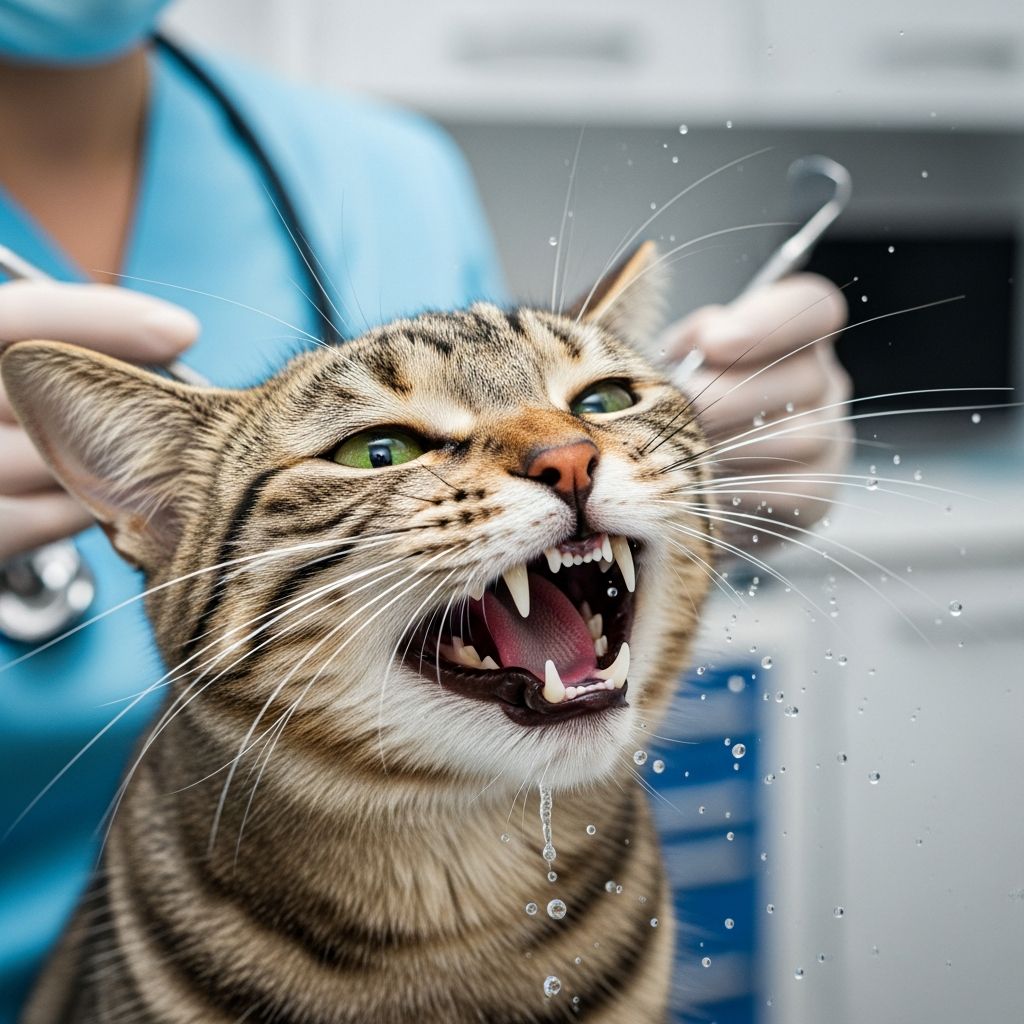
Dental care for cats has become increasingly recognized as a crucial component of feline health management. Many cat owners are unaware that professional dental cleanings are not merely cosmetic procedures—they are essential preventive measures that protect your pet from serious health complications. While at-home care plays a role in maintaining your cat’s oral hygiene, it simply cannot replace the thorough cleaning and assessment that only a professional veterinarian can provide.
Understanding the Scope of Feline Dental Disease
The statistics surrounding feline dental disease are staggering and underscore the importance of professional intervention. It is estimated that 85 percent of cats have periodontal disease by the time they are 6 years old, making it one of the most prevalent health conditions affecting domestic felines. This widespread problem develops through a process that mirrors what occurs in human mouths: bacteria in the oral cavity forms plaque on the tooth surface, and minerals in saliva harden this plaque into tartar. Over time, tartar spreads beneath the gum line where it causes significant damage to the supporting structures of the teeth.
Periodontal disease in cats manifests in two primary forms: gingivitis, which involves inflammation of the gums, and periodontitis, which encompasses loss of bone and soft tissue surrounding the teeth. Both conditions are progressive and, if left untreated, inevitably lead to tooth loss and considerable pain for your feline companion.
Tooth Resorption: A Particularly Painful Condition
Beyond traditional periodontal disease, cats face another devastating dental condition that deserves special attention. Approximately 50 percent of adult cats over 3 years of age experience tooth resorption, also referred to as feline odontoclastic resorptive lesions (FORL). This painful condition represents a unique challenge in feline dentistry, as the exact cause remains unclear despite ongoing research.
In tooth resorption, lesions develop on the tooth surface and gradually break down the tooth material, ultimately destroying both the root and crown. The process is acutely painful for cats, though they typically hide their discomfort due to their natural tendency to mask pain. Most cases of tooth resorption require extraction of the affected teeth to eliminate ongoing suffering. Without professional dental care and monitoring, this condition can severely compromise your cat’s quality of life.
When It’s Time to Call In the Professionals
Recognizing the signs that your cat needs professional dental care is the first step toward maintaining optimal oral health. During your cat’s annual veterinary visit, your veterinarian will look for specific indicators that suggest the need for professional teeth cleaning. According to board-certified veterinary dental specialists, the primary warning signs include:
– Red or inflamed gums indicating gum disease- Heavy tartar accumulation visible on the tooth surface- Persistent bad breath, often the most noticeable sign for cat owners- Difficulty eating or changes in appetite- Excessive drooling or pawing at the mouth
If your veterinarian observes any of these signs, they will recommend scheduling a professional dental cleaning at your earliest convenience. Early intervention prevents minor issues from developing into serious complications requiring costly and invasive treatments.
Recommended Frequency of Professional Cleanings
The frequency of professional dental cleaning varies significantly from cat to cat and depends on multiple individual factors. However, general recommendations provide a useful framework for planning your cat’s dental care schedule:
| Age Group | Recommended Frequency | Special Considerations |
|---|---|---|
| Kittens & Young Cats (Under 3 years) | As needed based on individual assessment | Usually do not require frequent professional cleanings unless specific dental concerns exist |
| Adult Cats (3–10 years) | Every 12 months (annually) | Cats prone to dental disease may need cleanings every 6–9 months |
| Senior Cats (10+ years) | Every 6–12 months | More frequent monitoring recommended; cats with past dental issues should have oral exams every 3 months |
Most veterinary dental specialists recommend that every 1 to 2 years is a good general guideline for professional cleanings in adult cats, though this timeline should be customized based on your individual cat’s needs. It’s important to note that breed and individual susceptibility play roles in determining cleaning frequency. While you might read that certain purebred cats, such as Siamese, have inherently problematic teeth, the reality is that any breed of cat can develop dental problems, from purebred cats to domestic shorthairs.
The Role of At-Home Care and Diet
While professional cleanings are essential, they work most effectively when combined with diligent at-home care. Your attention to home maintenance significantly impacts how frequently your cat will need professional cleanings. Board-certified veterinary dentists emphasize that cat parents who commit to daily plaque removal typically can extend the time between professional cleanings considerably.
One effective at-home technique involves using a Q-tip soaked in tuna water to gently clean the gum surface where the gum meets the tooth. Performing this simple procedure once daily after a professional cleaning can dramatically reduce plaque accumulation. Cats that receive consistent at-home care often don’t require another professional cleaning for several years, while those without such maintenance may need cleanings every 6 months to a year.
Your cat’s diet also influences dental health. Certain food formulations and textures can help reduce plaque buildup, though dietary changes should always be discussed with your veterinarian to ensure nutritional balance and appropriateness for your individual cat.
What Happens During a Professional Dental Cleaning
Understanding the professional dental cleaning process helps cat owners appreciate why anesthesia is necessary and what to expect. A comprehensive dental cleaning involves several distinct steps:
Oral Examination
Before any cleaning begins, your veterinarian performs a thorough examination of your cat’s oral cavity. This initial assessment identifies diseased teeth, areas of concern, and establishes a treatment plan documented in your cat’s medical chart.
Scaling
Tooth scaling removes tartar from both above and below the gum line using specialized instruments. Veterinarians typically employ both hand scalers and ultrasonic scalers to ensure complete tartar removal. The tartar located below the gum line is particularly important to remove, as it causes the most significant periodontal damage.
Polishing
After scaling, the teeth are polished to remove microscopic scratches and irregularities on the tooth surface. This polishing step decreases the rate of subsequent plaque buildup and helps maintain smoother tooth surfaces that resist bacterial colonization.
Protective Sealant Application
Many veterinary dentists recommend applying a dental sealant designed specifically to prevent periodontal disease. This protective coating provides an additional barrier against future plaque and tartar accumulation.
Dental X-rays
Dental radiographs are absolutely essential to thorough professional cleanings. Since 60 percent of the tooth structure exists beneath the gum line, visual examination alone cannot detect hidden problems such as root infections, bone loss, or early-stage disease. Dental X-rays guide treatment planning and ensure that all affected teeth receive appropriate care. When selecting a veterinary professional, ensure they have proper X-ray equipment and demonstrated expertise in interpreting dental radiographs.
The Importance of Anesthesia in Dental Procedures
A common question from cat owners concerns the use of anesthesia during dental cleanings. Some owners worry about the risks associated with general anesthesia, but veterinary experts and the American Veterinary Dental College (AVDC) strongly support its use during professional dental procedures.
Anesthesia serves several critical functions during cat dental cleaning. First and foremost, it keeps your cat completely pain-free throughout the procedure. Second, it allows your veterinarian to thoroughly inspect all tooth surfaces, including areas that would be impossible to examine in an awake cat. Third, it enables complete removal of tartar from below the gum line, where the most significant damage occurs.
Modern anesthetics used in veterinary dentistry are considerably safer than in previous decades. Veterinary dentists today perform extensive preoperative work and ongoing monitoring, significantly reducing anesthetic risks. Non-anesthetic or anesthesia-free dental scaling is not recommended by veterinary specialists, as these approaches cannot provide adequate pain control or allow for complete and thorough cleaning, particularly below the gum line.
Understanding Dental Cleaning Costs
Cost is often a consideration when planning dental care for your cat. It’s important to understand that professional dental cleaning is not a single, simple charge. Different veterinary practices break down costs differently, but the procedure typically involves several components:
– Preoperative blood work and necessary diagnostics- General anesthesia and intravenous administration- Professional teeth cleaning and dental X-rays- Treatment for any additional issues discovered during the procedure- Tooth extractions if necessary
While teeth cleaning itself may seem like a small part of the total cost, the comprehensive nature of professional dental care ensures that your cat receives complete evaluation and treatment. Veterinarians emphasize that these cleanings involve much more than just scaling teeth; they provide opportunity to identify and address other problems that may be compromising your cat’s health.
Finding a Board-Certified Dental Veterinarian
For cats with significant dental issues or those requiring specialized care, seeking treatment from a board-certified veterinary dentist may be appropriate. The American Veterinary Dental College maintains a directory of board-certified dental specialists who have undergone additional training and certification in veterinary dentistry. These specialists possess advanced knowledge in complex cases and often have superior diagnostic and treatment capabilities.
It’s Never Too Late for Dental Care
If your cat has already begun losing teeth or shows signs of dental disease, you may wonder whether professional dental care is still worthwhile. The good news is that it’s never too late to begin professional dental care and treatment. Even cats with existing tooth loss can benefit enormously from professional attention. These treatments can relieve pain, prevent further deterioration, and help retain the remaining healthy teeth. Many cats that begin proper dental care regimens experience dramatic improvements in their quality of life and comfort.
Frequently Asked Questions About Cat Dental Cleaning
Q: Why can’t I just clean my cat’s teeth at home without professional help?
A: While at-home care is valuable and recommended, it cannot remove tartar below the gum line or provide the thorough cleaning that professional scaling and polishing achieve. Additionally, professional examination under anesthesia allows your veterinarian to identify problems that aren’t visible during casual observation. The combination of professional care and diligent home maintenance provides optimal protection against dental disease.
Q: Is anesthesia safe for older cats undergoing dental cleaning?
A: Modern anesthetics are considered quite safe, especially when preceded by thorough preoperative blood work and physical examination. Older cats often benefit greatly from dental cleaning, and the risks of anesthesia are typically outweighed by the benefits of treating painful dental disease. Your veterinarian can discuss specific risks and benefits based on your individual cat’s health status.
Q: How can I tell if my cat has dental disease?
A: Common signs include bad breath, visible tartar on teeth, red or swollen gums, difficulty eating, drooling, and behavioral changes suggesting pain. However, cats are excellent at hiding illness, so absence of obvious signs doesn’t guarantee that dental disease isn’t present. Regular veterinary examinations are essential for early detection.
Q: What’s the difference between tooth resorption and regular periodontal disease?
A: Periodontal disease involves bacterial infection and inflammation of the structures supporting the teeth. Tooth resorption is a distinct condition where the body breaks down tooth structure from within, causing lesions that expose sensitive nerves and lead to pain and tooth loss. Both conditions require professional management but represent different underlying processes.
Q: Can certain cat breeds avoid dental disease with better genetics?
A: While individual susceptibility varies, dental disease affects cats of all breeds and backgrounds. No breed is immune to periodontal disease or tooth resorption. Both purebred and domestic shorthair cats require professional dental care as part of their preventive health regimen.
Q: What can I do at home to reduce the need for frequent professional cleanings?
A: Daily plaque removal using a Q-tip soaked in tuna water applied to the gum line can significantly extend the time between professional cleanings. Additionally, certain diet choices may support dental health. Consistent at-home care combined with appropriate diet can reduce professional cleaning frequency from every 6 months to every several years.
References
- Dental Cleaning in Cats — VCA Animal Hospitals. Accessed November 2025. https://vcahospitals.com/know-your-pet/dental-cleaning-in-cats
- The Importance of Feline Dental Care — e-CATS Veterinary Services. Accessed November 2025. https://www.ecats.vet/dental-care.pml
- Cat Dental Cleaning: How Often They Should Get Dental Care — Veterinary Dentistry of Southern Wisconsin. Accessed November 2025. https://vetdentistwi.com/cat-dental-cleaning-how-often/
- Cat Teeth Cleaning Tips for Healthy Smiles — Petfolk. Accessed November 2025. https://petfolk.com/petfolklore/cat-teeth-cleaning-tips-for-healthy-smiles
- 3 Factors That Influence How Often Your Pet Needs a Professional Dental Cleaning — Emerald Animal Hospital. Accessed November 2025. https://emeraldanimal.com/3-factors-that-influence-how-often-your-pet-needs-a-professional-dental-cleaning/
- How Often Does My Pet Need a Professional Dental Cleaning? — Dove Mountain Veterinary Services. Accessed November 2025. https://www.dovemountainvet.com/blog/how-often-does-my-pet-need-a-professional-dental-cleaning
Similar Articles








Read full bio of Sneha Tete




