
Problems with No-Kill Shelters
Uncovering the hidden downsides of no-kill policies that promise to save lives but often lead to greater animal suffering and community neglect.
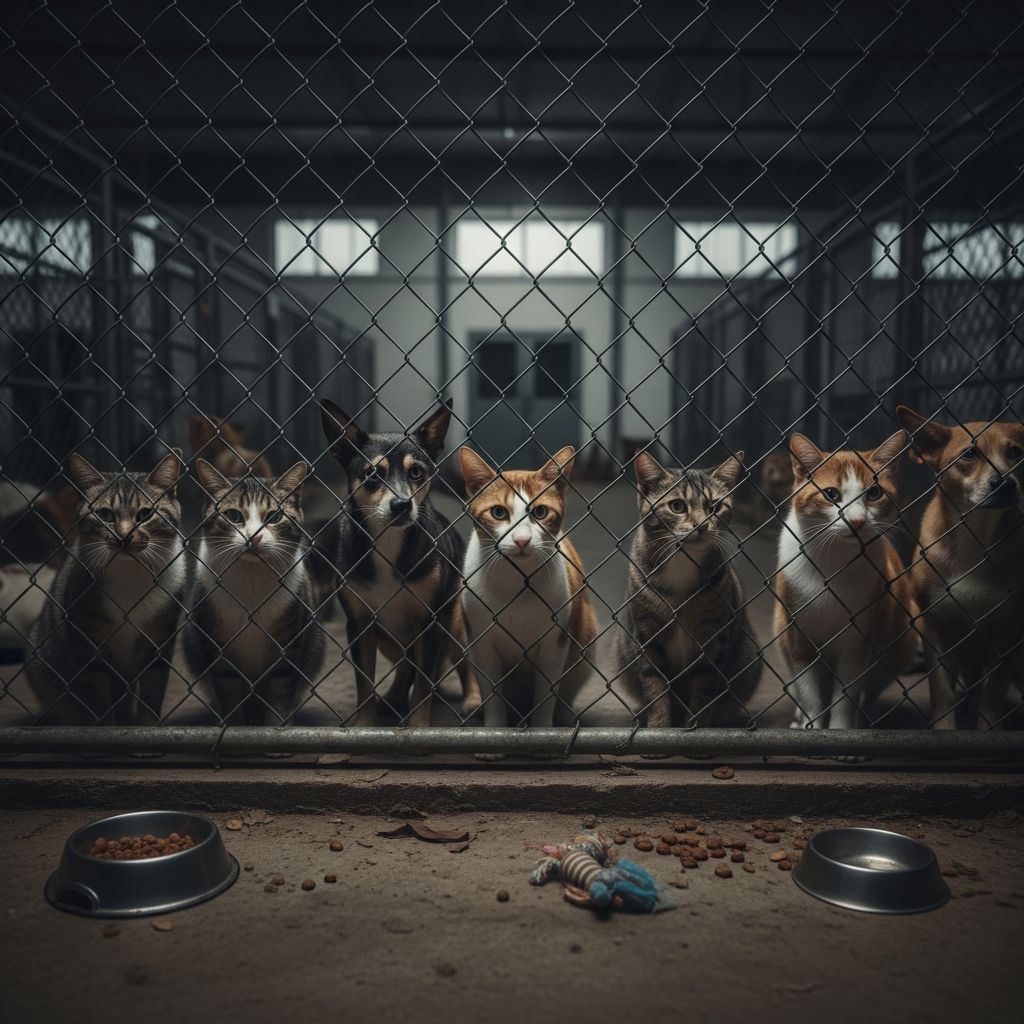
The no-kill movement has gained widespread popularity by promising an end to euthanasia in animal shelters, appealing to public sentiment with slogans like “Adopt, Don’t Shop.” However, beneath this noble facade lie significant issues that can exacerbate animal suffering, strain community resources, and mislead the public about true welfare outcomes.
The Misleading Promise of Zero Euthanasia
No-kill does not mean no animals die; it typically refers to not euthanizing “healthy, adoptable” animals, allowing up to 10% euthanasia rates while still claiming the label. This semantic shift confuses the public, who assume it means absolute zero deaths, leading to unrealistic expectations and criticism of traditional shelters labeled as “kill facilities.”
In practice, shelters achieve high “live release rates” by reclassifying animals as non-adoptable if they linger too long, effectively hiding euthanasia under different categories. Critics argue this is deceptive marketing that prioritizes statistics over genuine care.
Selective Intake and Burden Shifting
Many no-kill operations are limited-admission, rejecting sick, aggressive, or hard-to-place animals, forcing open-admission public shelters to handle the most challenging cases. This “passing the buck” leaves municipal facilities overwhelmed, sometimes closing intake doors entirely and advising people to abandon strays.
- Good Samaritans face unresponsive animal control, exacerbating street populations.
- Traditional shelters bear the emotional and moral weight of euthanizing unplaceable animals.
- No-kill claims of open admission exist but are rare, like the Humane Society of Fremont County.
Prolonged Suffering and Hoarding Risks
By refusing euthanasia, no-kill shelters often warehouse animals indefinitely, leading to chronic stress, illness, and poor quality of life. Hoarding disguised as rescue has surged, with facilities cramming animals into substandard conditions to maintain “no-kill” status.
PETA’s Ingrid Newkirk highlights how no-kill refusals leave owners unable to afford care, resulting in neglect or free euthanasia offers that spark backlash. Animals in limbo face confinement-induced behavioral issues, not just innate problems.
Financial and Competitive Pressures
The no-kill badge attracts donations, drawing funds from full-service shelters that accept all animals. Programs like Maddie’s Fund incentivize communities to relabel euthanasias for grants, playing a “semantics game” without reducing deaths.
| Issue | No-Kill Impact | Traditional Shelter Impact |
|---|---|---|
| Funding | Draws donors with positive messaging | Struggles for resources despite broader care |
| Intake Policy | Limited, rejects high-risk cases | Open, handles all but criticized as “killers” |
| Live Release Rate | 90%+ by reclassification | Lower due to honest accounting |
| Animal Outcomes | Potential long-term suffering | Quick relief for untreatable cases |
Community and Public Safety Concerns
Refusal of strays increases feral populations, posing risks to public health and wildlife. In areas like Virginia, no-kill dominance leads to threats against euthanasia providers, escalating tensions. Critics note that pet overpopulation myths persist despite evidence that better practices, not killing, solve issues—but no-kill can hinder collaboration.
Debate: Saviors or Enablers?
Proponents view no-kill as a comprehensive strategy emphasizing rehabilitation, foster programs, and off-site adoptions, achievable even in open-admission settings. Detractors see it as fostering division, with one side saving “movie star” pets while others manage the rest.
Progress is noted in evolving shelters, but undermining efforts through political pressure stalls gains. The core divide: when alternatives exist, killing is unacceptable; yet, without them, prolonged misery questions the ethics.
Alternatives to the No-Kill Model
Balanced approaches prioritize retention (helping owners keep pets), targeted spay/neuter, and transport networks over rigid no-kill mandates. Communities succeeding combine partnerships, not punishment, focusing on fiscal responsibility and public safety.
- Enhance keeper programs to prevent surrender.
- Invest in behavior and medical rehab without indefinite holding.
- Promote transparent statistics to rebuild trust.
Real-World Case Studies
In one county, no-kill pressure led to intake closures, leaving strays to fend for themselves despite high euthanasia elsewhere. Austin’s efforts faced sabotage, yet showed lifesaving potential with full programs. Lost Dogs Home’s policies ignited public outcry, highlighting ongoing tensions.
FAQs
What does “no-kill” really mean?
It means not euthanizing healthy/treatable animals, allowing some deaths while claiming success.
Do no-kill shelters accept all animals?
Most do not; many use managed intake, turning away difficult cases.
Is animal suffering worse under no-kill?
Critics argue yes, due to warehousing and hoarding.
Can open-admission shelters be no-kill?
Some achieve it through innovative practices, but it’s challenging.
How to support ethical shelters?
Look beyond labels: check intake policies, transparency, and outcomes.
The no-kill movement drives positive change but reveals flaws when implemented without oversight. True welfare demands honesty, collaboration, and prioritizing animal quality of life over statistics.
References
- Has the no-kill movement caused more harm than good? — Maddie’s Fund Forum. Accessed 2026. https://forum.maddiesfund.org/discussion/has-the-no-kill-movement-caused-more-harm-than-good
- No Kill Isn’t a Gimmick: Responding to Misinformed Criticism — No Kill Movement. Accessed 2026. https://www.nokillmovement.org/post/no-kill-isn-t-a-gimmick-responding-to-misinformed-criticism
- The No-Kill Controversy: Manifest and Latent Sources of Tension — Wellbeing International Studies Repository. 2003. https://www.wellbeingintlstudiesrepository.org/cgi/viewcontent.cgi?article=1003&context=sota_2003
- ‘No kill’ animal rescue is a disaster for animal welfare — Aeon Essays. Accessed 2026. https://aeon.co/essays/no-kill-animal-rescue-is-a-disaster-for-animal-welfare
- The No-Kill Debate: Animal Shelters — My Green World. Accessed 2026. https://www.mygreenworld.org/blog/no-kill-debate
- What’s Wrong With No Kill? — Pet Professional Guild. Accessed 2026. https://www.petprofessionalguild.com/barks/barks-magazine-blog/whats-wrong-with-no-kill/
- The debate about no-kill animal sheltering — Best Friends. Accessed 2026. https://bestfriends.org/stories/best-friends-magazine/debate-about-no-kill-animal-sheltering
Similar Articles








Read full bio of Sneha Tete


