

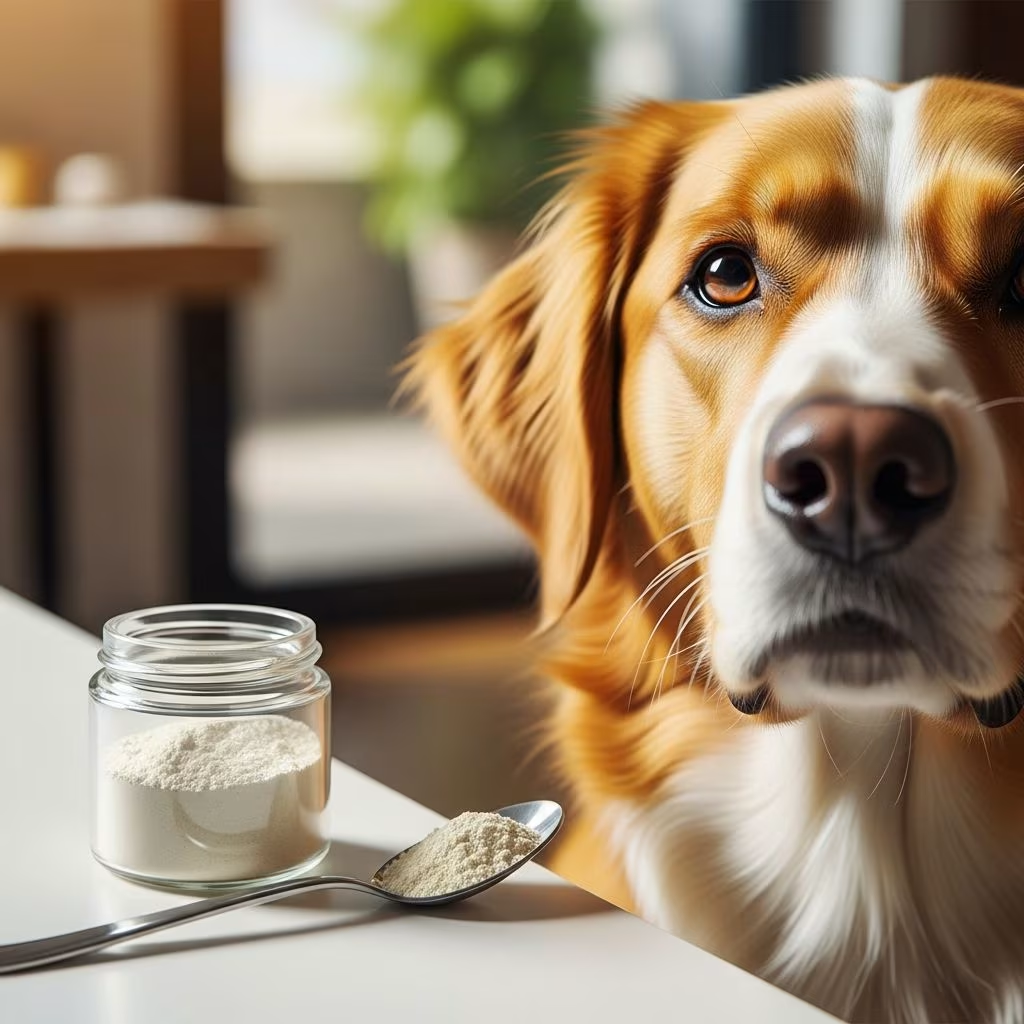
Yeast infections in dogs, often caused by an overgrowth of Candida or Malassezia, commonly affect the skin, ears, paws, and digestive system, leading to itching, odor, and chronic discomfort. Probiotics, particularly strains like Lactobacillus acidophilus, play a crucial role in restoring microbial balance to combat these infections effectively.
Understanding Yeast Overgrowth in Canines
Yeast thrives in warm, moist environments and feeds on sugars and starches, disrupting the dog’s natural microbiome. Factors like antibiotics, high-carb diets, allergies, and weakened immunity promote this imbalance, resulting in symptoms such as red, greasy skin, foul-smelling ears, and recurrent infections. Unlike bacterial issues, yeast forms protective biofilms that resist standard treatments, necessitating a multi-step approach involving probiotics.
The gut-skin-ear axis links digestive health to external symptoms; an imbalanced gut allows yeast to proliferate systemically. Research highlights how probiotics suppress fungal growth by competing for resources and producing antifungal compounds.
Key Probiotic Strains for Fungal Control
Selecting the right probiotics is essential for targeting yeast. These beneficial bacteria colonize the gut, produce lactic acid to acidify the environment, and inhibit pathogen adhesion.
- Lactobacillus acidophilus: Balances gut flora, enhances immunity, and directly suppresses yeast by lowering pH and nutrient competition. Ideal for ongoing support.
- Lactobacillus rhamnosus: Reduces inflammation, strengthens gut barriers, and combats skin-related yeast issues.
- Saccharomyces boulardii: A beneficial yeast that prevents Candida from invading tissues, reduces inflammation, and blocks pathogen translocation.
- Bifidobacterium strains: Promote overall microbiome diversity and aid in toxin elimination.
- Bacillus subtilis: Spore-forming for gut survival, effective against fungal overgrowth.
Dosage typically ranges from 1-10 billion CFUs daily, adjusted by dog size. Administer between meals for optimal biofilm disruption.
Dietary Foundations for Yeast Management
A low-carb, whole-food diet starves yeast while nourishing probiotics. Eliminate grains, potatoes, and sugars; prioritize proteins and vegetables.
| Foods to Avoid | Why? | Alternatives |
|---|---|---|
| Grains, starches | Feed yeast growth | Lean meats, organs |
| Sugary treats | Promote overgrowth | Green veggies (broccoli, kale) |
| Dairy, fermented foods initially | May contain carbs for yeast | Probiotic supplements only |
| Processed kibble | High carbs, fillers | Raw or fresh diets |
Incorporate antifungals like caprylic acid from coconut oil (1 tsp per 20 lbs), pau d’arco tincture (5-10 drops per 20 lbs), and oregano oil sparingly to avoid die-off reactions.
Step-by-Step Protocol to Eliminate Yeast
- Starve the Yeast: Transition to a fresh, carb-free diet immediately. Add digestive enzymes (with cellulase) between meals to break down biofilms.
- Disrupt Biofilms: Use enzymes targeting fiber, fats, and proteins. This exposes yeast cells for elimination.
- Kill the Yeast: Introduce antifungals gradually. Monitor for Herxheimer reactions (die-off symptoms like lethargy); increase enzymes if needed.
- Replenish with Probiotics: After 2 weeks of reduction, add live probiotics. Pair with prebiotics like fiber-rich veggies for colonization.
Detox support includes bentonite clay, chlorella, and fulvic acid to bind toxins and heavy metals.
Topical and External Remedies
Skin and ear yeast require direct intervention alongside internal treatments.
- Coconut oil: Antifungal lauric acid soothes and kills yeast topically.
- Diluted apple cider vinegar (1:4 with water): Acidifies skin, dries infections; use as ear rinse weekly post-acute phase.
- Aloe vera: Calms inflammation without feeding yeast.
Avoid shampoos with carbs; opt for medicated antifungals if prescribed.
Preventing Recurrence Long-Term
Maintenance involves daily probiotics, prebiotics (inulin, FOS from chicory), and a consistent anti-yeast diet. Rotate strains for diversity. Regular grooming prevents moisture buildup.
Monitor via stool tests or vet exams. Allergies often underlie chronic cases; address with hypoallergenic diets.
Potential Side Effects and Monitoring
Die-off may cause temporary worsening; reduce antifungals and boost enzymes. Probiotics rarely cause issues but introduce slowly. Consult vets for severe cases, especially with organ involvement.
Frequently Asked Questions
Can probiotics cure yeast infections alone?
No, they work best with diet changes and antifungals. Timing is key—reduce yeast first.
Is Saccharomyces boulardii safe for yeast-prone dogs?
Yes, it antagonizes harmful yeast without promoting overgrowth.
How long until improvement?
Visible changes in 1-4 weeks; full resolution may take months with consistency.
Are fermented foods helpful?
Avoid during active infection; they feed yeast via carbs. Use pure probiotics instead.
What if my dog refuses supplements?
Mix into broth or use chewables/capsules hidden in food.
Expert Insights on Probiotic Efficacy
Veterinary sources emphasize strain-specific benefits and combination therapies. Cornell recommends 1-10 billion CFUs daily for microbiome support. AKC notes probiotics reduce secondary infections post-antibiotics.
This comprehensive approach yields sustainable results, transforming itchy, odorous dogs into healthy companions.
References
- How To Manage Yeast Infection In Dogs — Dogs Naturally Magazine. 2023. https://www.dogsnaturallymagazine.com/itchy-dog-yeast-infection/
- Best Probiotics for Dogs with a Yeast Infection — Bonza. 2025-01-01. https://www.bonza.dog/2025/01/best-probiotics-for-dogs-with-a-yeast-infection/
- Yeast Infections in Dogs — Whole Dog Journal. 2023. https://www.whole-dog-journal.com/health/yeast-infections-in-dogs/
- Dog Yeast Supplement | Best Dog Probiotics for Yeast — Ask Ariel. 2024. https://www.askariel.com/yeast-infection-in-dogs-treatment-p/102.htm
- What to Know About Dog Probiotics for Yeast — American Kennel Club. 2024. https://www.akc.org/expert-advice/health/dog-probiotics-for-yeast/
- What do probiotics do for dogs? — Pooch and Mutt. 2024. https://www.poochandmutt.co.uk/blogs/supplements/what-do-probiotics-do-for-dogs
- The power of probiotics — Cornell University College of Veterinary Medicine. 2024. https://www.vet.cornell.edu/departments-centers-and-institutes/riney-canine-health-center/canine-health-topics/power-probiotics



