
Probiotics In Animal Health: An Expert Guide For 2025
Discover how probiotics boost livestock performance, immunity, and gut health as sustainable alternatives to antibiotics.
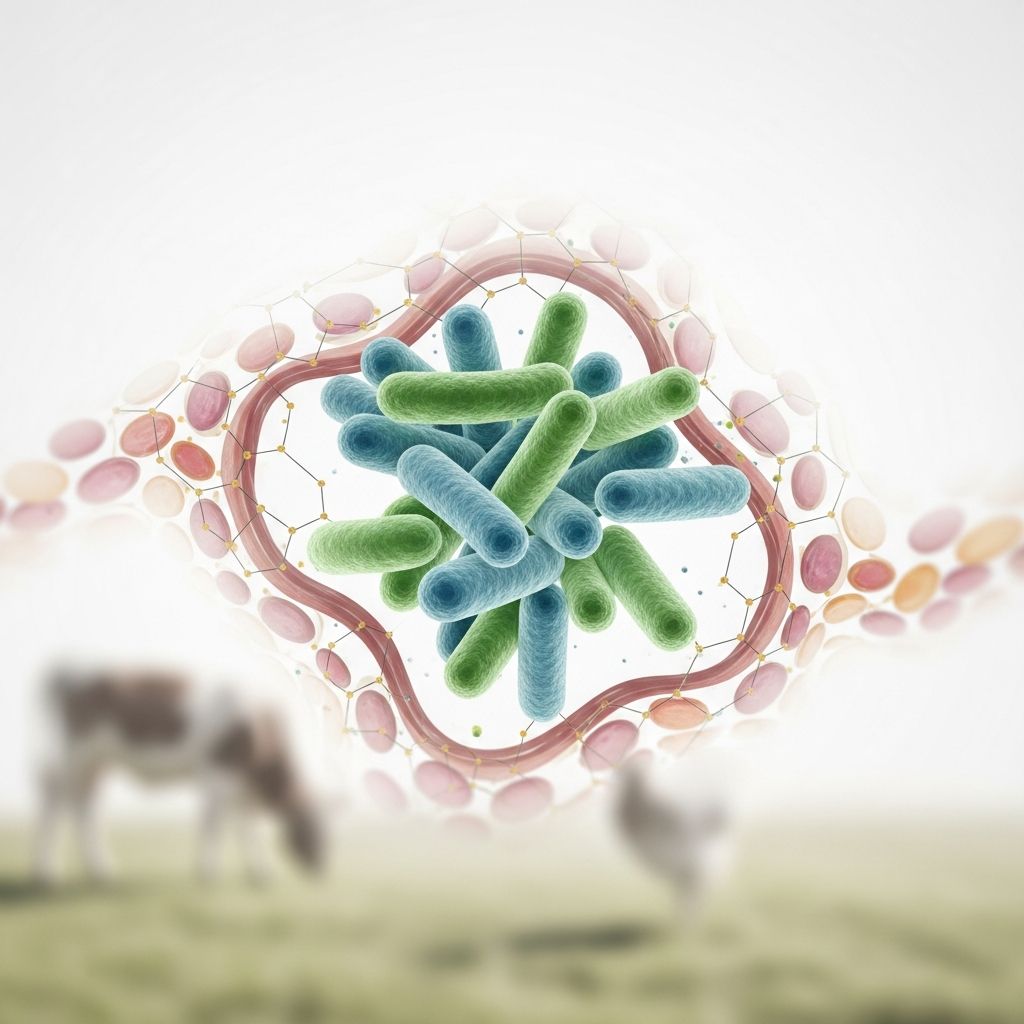
Probiotics represent a cornerstone in modern animal nutrition, offering natural ways to support digestive balance, strengthen immunity, and elevate overall productivity in livestock. These live microorganisms, when administered in adequate amounts, confer health benefits by modulating the gut microbiome, which is essential for nutrient absorption and pathogen resistance.
Understanding Probiotics and Their Core Mechanisms
At their essence, probiotics are beneficial bacteria or yeasts that colonize the gastrointestinal tract, promoting a harmonious microbial environment. Common strains include Lactobacillus, Bifidobacterium, and Saccharomyces cerevisiae, which produce antimicrobial compounds, compete with harmful pathogens for adhesion sites, and lower gut pH to inhibit pathogen growth.
These microbes enhance the intestinal barrier by stimulating mucus production and tight junction proteins, preventing leaky gut syndrome. They also boost short-chain fatty acid (SCFA) production through fermentation, providing energy to colonocytes and modulating immune responses via cytokine regulation.
- Pathogen Competition: Probiotics outcompete invaders like Salmonella and Clostridium perfringens for resources.
- Immune Modulation: They activate phagocytes, enhance antibody production, and develop gut-associated lymphoid tissue.
- Metabolic Optimization: Improved SCFA levels support energy efficiency and reduce inflammation.
Applications Across Major Livestock Species
Probiotics demonstrate versatility across diverse animal groups, tailoring benefits to species-specific needs. In ruminants, they stabilize rumen fermentation; in monogastrics, they optimize hindgut function.
Ruminants: Cows, Sheep, and Goats
For dairy cows, probiotics like Lactobacillus acidophilus reduce E. coli and Salmonella populations, leading to higher milk yields and better composition with increased fat and protein. In calves, supplementation curbs scours, boosts average daily gain (ADG), and improves feed efficiency during stress.
Sheep studies show that Saccharomyces cerevisiae or mannanoligosaccharides (MOS) with β-glucans enhance ADG by up to 10% and feed efficiency by 9.5% when combined. Probiotics also elevate growth hormone, immunoglobulin G, and antioxidant enzymes, fostering resilience.
| Species | Probiotic Type | Key Benefits | Improvement Metrics |
|---|---|---|---|
| Dairy Cows | Lactobacillus spp. | Milk yield, rumen stability | + Milk fat/protein |
| Sheep Lambs | S. cerevisiae + MOS | ADG, feed efficiency | 10% ADG, 9.5% efficiency |
| Goats | Multi-strain | Weight gain, immunity | Reduced disease incidence |
Monogastrics: Pigs and Poultry
In pigs, probiotics diminish diarrheal incidence and mortality, improving fatteners’ health and growth. They stimulate immune activation, phagocytic activity, and barrier function, outperforming single treatments when paired with prebiotics as synbiotics.
Poultry benefits include better nutrient digestibility, caecal microbiota balance, and resistance to pathogens. Broilers fed probiotics exhibit enhanced growth under barn conditions, with superior humoral immunity and rumen diversity analogs in ceca.
Prebiotics and Synbiotics: Amplifying Probiotic Effects
Prebiotics, non-digestible fibers like inulin and β-glucans, selectively nourish beneficial microbes, amplifying probiotic efficacy. Synbiotics combine both, yielding synergistic outcomes such as heightened probiotic colonization and targeted nutrient use.
In lambs, synbiotics increased ADG by 10% over controls. For broilers and pigs, they excel in antioxidant status, digestibility, and immune markers. Prebiotics alone lower intestinal pH, curbing putrefactive bacteria via SCFA production.
Health and Performance Enhancements
Gut Health and Disease Prevention
A balanced microbiota via probiotics ensures efficient digestion, optimal immunity, and reduced antibiotic needs. They mitigate antimicrobial resistance (AMR) by replacing growth promoters, aligning with global regulations.
In stressed calves, probiotics alleviate rumen acidosis and bolster immunity. Aquaculture sees growth, reproduction, and pathogen protection gains.
Growth and Production Metrics
Across species, probiotics improve ADG, feed conversion, and yield. Ruminants gain from better nitrogen use and SCFA output; pigs and poultry from enhanced protein synthesis and energy harvest.
- Increased weight gain in pigs and broilers.
- Higher milk quality in cows and sows.
- Better meat and egg quality via nutrient optimization.
Challenges in Implementation
Despite promise, hurdles include strain selection, dosage optimization, and cost-effectiveness. Efficacy varies by animal age, diet, and environment; regulatory compliance demands strain-specific approvals.
Stressors like weaning or heat challenge consistency, necessitating multi-strain formulations. Research stresses viability during storage and gut survival.
Future Directions in Probiotic Research
Ongoing studies focus on precision probiotics, genomics for strain tailoring, and synbiotic innovations. Sustainable farming benefits from reduced AMR and improved welfare.
Integration with precision feeding could maximize economics, supporting resilient livestock systems.
Frequently Asked Questions (FAQs)
What are the best probiotic strains for livestock?
Lactobacillus, Bifidobacterium, and Saccharomyces species are most effective, varying by animal.
Can probiotics replace antibiotics entirely?
They serve as strong alternatives for growth promotion and prevention, reducing reliance amid AMR concerns.
How do I administer probiotics to animals?
Via feed, water, or direct supplementation; ensure viability per label.
Are there side effects from probiotics?
Rare in healthy animals; monitor during initial introduction.
What results can farmers expect?
5-10% gains in growth and efficiency, plus health improvements.
References
- Gut health management in livestock: roles of probiotics, prebiotics … — PMC. 2024. https://pmc.ncbi.nlm.nih.gov/articles/PMC12537595/
- Exploring probiotics as a sustainable alternative to antimicrobial … — Frontiers in Sustainable Food Systems. 2024. https://www.frontiersin.org/journals/sustainable-food-systems/articles/10.3389/fsufs.2024.1523678/full
- Roles of Probiotics in Farm Animals: A Review — FAHN. 2023. https://fahn.rovedar.com/index.php/FAHN/article/download/8/7
- Use of biotics in animals: impact on nutrition, health, and food … — Journal of Animal Science (Oxford Academic). 2023. https://academic.oup.com/jas/article/doi/10.1093/jas/skaf061/8045189
- Probiotics and prebiotics offer safer alternatives to antibiotics in … — Phys.org. 2025-12. https://phys.org/news/2025-12-probiotics-prebiotics-safer-alternatives-antibiotics.html
- Probiotics as sustainable alternatives to antibiotic growth promoters — LIAB Journal. 2023. https://www.liabjournal.com/index.php/liab/article/view/258
Similar Articles








Read full bio of medha deb


