

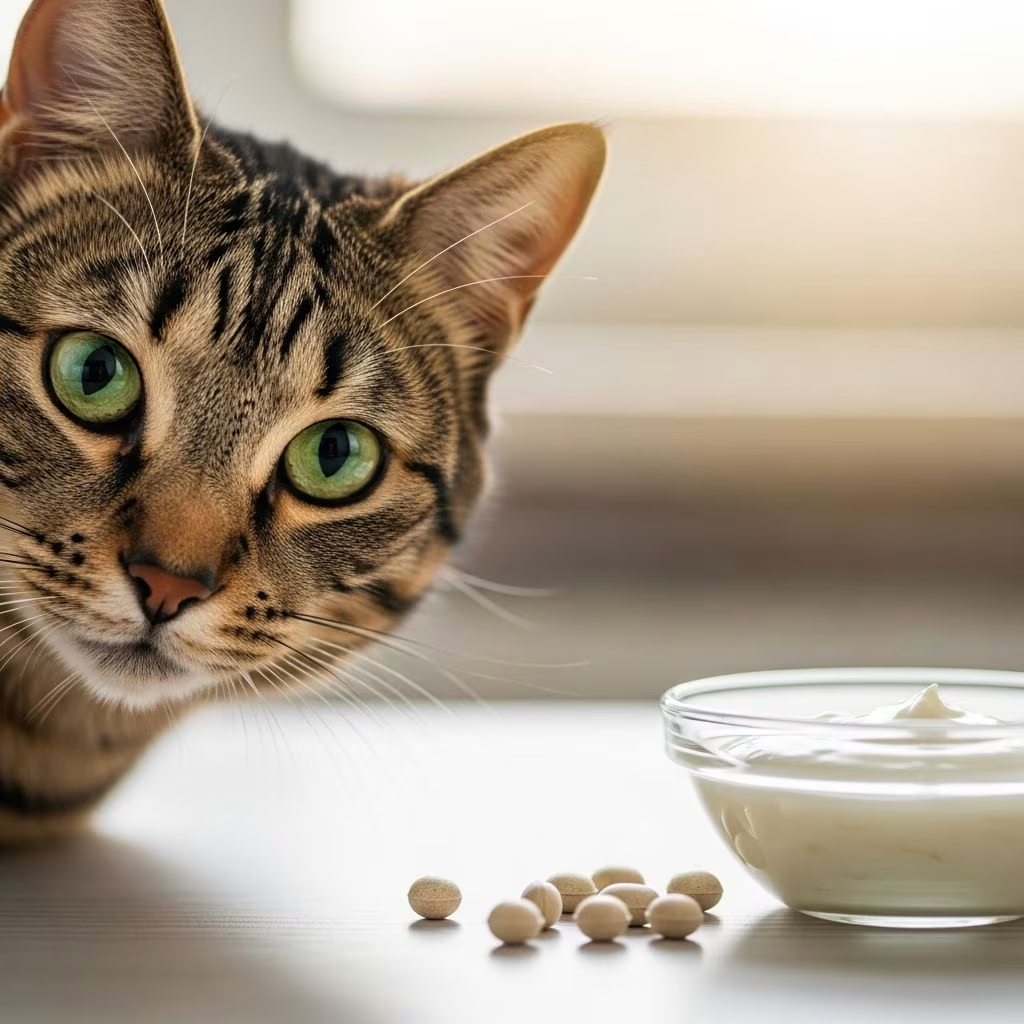
Probiotics offer a natural approach to managing diarrhea in cats by restoring the balance of beneficial bacteria in the gut microbiome. These live microorganisms help alleviate symptoms, improve nutrient absorption, and bolster immunity, making them a valuable tool for feline digestive health.
Understanding Diarrhea in Cats
Diarrhea is a frequent issue in cats, characterized by loose or watery stools that can lead to dehydration and discomfort. It often stems from dietary indiscretions, infections, stress, or antibiotic use, which disrupt the intestinal flora. Unlike humans, cats have a unique gut microbiome influenced by their carnivorous diet, making targeted probiotic support essential for recovery.
Common triggers include sudden food changes, parasites, viral infections, or medications that kill off good bacteria alongside harmful ones. Persistent diarrhea beyond 24-48 hours warrants veterinary attention to rule out serious conditions like inflammatory bowel disease (IBD) or allergies.
The Science Behind Probiotics and Cat Gut Health
Probiotics are live beneficial bacteria or yeasts that, when administered in adequate amounts, confer health benefits by modulating the gut microbiota. In cats, they promote short-chain fatty acid (SCFA) production, reduce inflammation, and enhance antioxidant activity.
Research demonstrates that composite probiotics, such as combinations of Bacillus amyloliquefaciens SC06 and Bacillus subtilis B10, significantly lower diarrhea rates and improve crude protein digestibility. These strains increase beneficial genera like Patescibacter while decreasing harmful ones like Firmicutes and Escherichia coli.
| Probiotic Strain | Key Benefits in Cats | Evidence Source |
|---|---|---|
| Bacillus subtilis B10 & SC06 | Reduces soft stools, boosts antioxidant enzymes, improves digestibility | |
| SF68 (Enterococcus faecium) | Fewer diarrhea episodes within 2 days | |
| SLAB51™ (Lactobacilli, Bifidobacteria) | Increases Lactobacillus, alleviates constipation | |
| Saccharomyces boulardii | Protects against antibiotic-induced diarrhea |
Studies confirm that feeding these probiotics results in up to a 10.45% reduction in E. coli and an 8.77% increase in Lactobacillus, directly correlating with firmer stools and better overall health.
Benefits of Probiotics Beyond Diarrhea Control
- Immune System Support: A significant portion of a cat’s immune system resides in the gut, where probiotics interact with immune cells to enhance resistance against pathogens.
- Nutrient Digestion: Improved breakdown of proteins and fats leads to better weight management and reduced odorous stools.
- Stress and Antibiotic Recovery: Probiotics mitigate gut disruptions from stress or antibiotics, preventing secondary issues like vomiting.[20 from 1]
- Anti-Inflammatory Effects: Strains like SLAB51™ show potential in reducing chronic inflammation associated with IBD.
For kittens, probiotics combined with fiber help bulk stools and shorten recovery time, but veterinary guidance is crucial if symptoms persist.
Choosing the Right Probiotic for Your Cat
Select cat-specific formulas from reputable brands to ensure viability and strain efficacy. Look for products with guaranteed CFU (colony-forming units) counts, typically 10^9 to 10^10 per dose.
Key strains include Lactobacillus plantarum, Bifidobacterium spp., and Bacillus species, proven effective in feline trials. Avoid human probiotics, as they may not survive the cat’s acidic stomach environment.
- Check for refrigeration requirements to maintain live cultures.
- Opt for powders or capsules that can be mixed into wet food for palatability.
- Consider synbiotics (probiotics + prebiotics like inulin or FOS) for amplified effects.
Safe Administration Guidelines
Administer probiotics separately from antibiotics by at least 2 hours to prevent destruction of live cultures. Start with the recommended dose based on your cat’s weight, often 1/4 to 1/2 packet daily for adults.
Effects may appear in 1-2 days for acute diarrhea or up to 4 weeks for immune benefits. Monitor stool consistency and energy levels; discontinue if no improvement in 3-5 days and consult a vet.
For chronic cases, integrate probiotics into daily routines alongside dietary fiber sources like psyllium husk post-antibiotics.
Potential Side Effects and Precautions
While generally safe, mild side effects like gas, bloating, or temporary loose stools can occur as the microbiome adjusts. Rare risks include nausea in sensitive cats.
- Always vet-approved, especially for immunocompromised or pregnant cats.
- Overuse won’t provide extra benefits; follow dosing precisely.
- Store properly to avoid degradation from heat or moisture.
Integrating Probiotics into Feline Wellness Routines
Beyond treatment, daily probiotics in high-quality cat foods or litter additives (e.g., with Lactobacillus rhamnosus) prevent issues by inhibiting pathogens and improving litter clumping.
Combine with a balanced diet rich in prebiotics to foster long-term gut health. Regular vet check-ups ensure probiotics complement any underlying treatments.
Frequently Asked Questions (FAQs)
Can probiotics cure chronic diarrhea in cats?
Probiotics manage symptoms by restoring gut balance but address underlying causes like IBD only as supportive therapy. Consult a vet for diagnostics.
How quickly do probiotics work for cat diarrhea?
Improvement often occurs within 2 days for strains like SF68, though full benefits may take weeks.
Are probiotics safe for kittens with diarrhea?
Yes, cat-labeled probiotics with fiber help, but seek vet care if lasting over 24 hours.
Should I give probiotics during antibiotic treatment?
Use S. boulardii alongside, spaced 2 hours apart, to protect gut flora.
Do all cat foods need added probiotics?
No, premium diets often suffice; supplements aid specific issues.
Real-World Success Stories from Research
In one study, cats fed Bacillus subtilis natto recovered from antibiotic-induced symptoms, showing reduced vomiting and improved growth. Another trial with SLAB51™ boosted beneficial bacteria, easing megacolon symptoms.
These findings underscore probiotics’ role in modern feline care, shifting from antibiotics to microbiome-focused interventions.
References
- Probiotics and Cat Health: A Review of Progress and Future Directions — PMC/NCBI. 2024. https://pmc.ncbi.nlm.nih.gov/articles/PMC11205573/
- Cat Diarrhea Treatment: What to Give Cats With Diarrhea — PetMD. 2023-10-15. https://www.petmd.com/cat/general-health/cat-diarrhea-treatment
- A Pet Parent’s Guide to Probiotics for Cats — Riverside Veterinary Hospital. 2024-08-30. https://www.riverside-vet.com/site/blog/2024/08/30/probiotics-cats
- How To Support Your Cat’s Gut Microbiome During & After Antibiotics — AnimalBiome. 2023. https://www.animalbiome.com/blogs/cat/how-to-support-your-cat-s-gut-microbiome-during-after-antibiotics
- What Are Probiotics for Cats? — Purina. 2024. https://www.purina.com/articles/cat/health/digestion/probiotics-for-cats
- Probiotics — VCA Animal Hospitals. 2024. https://vcahospitals.com/know-your-pet/probiotics



