

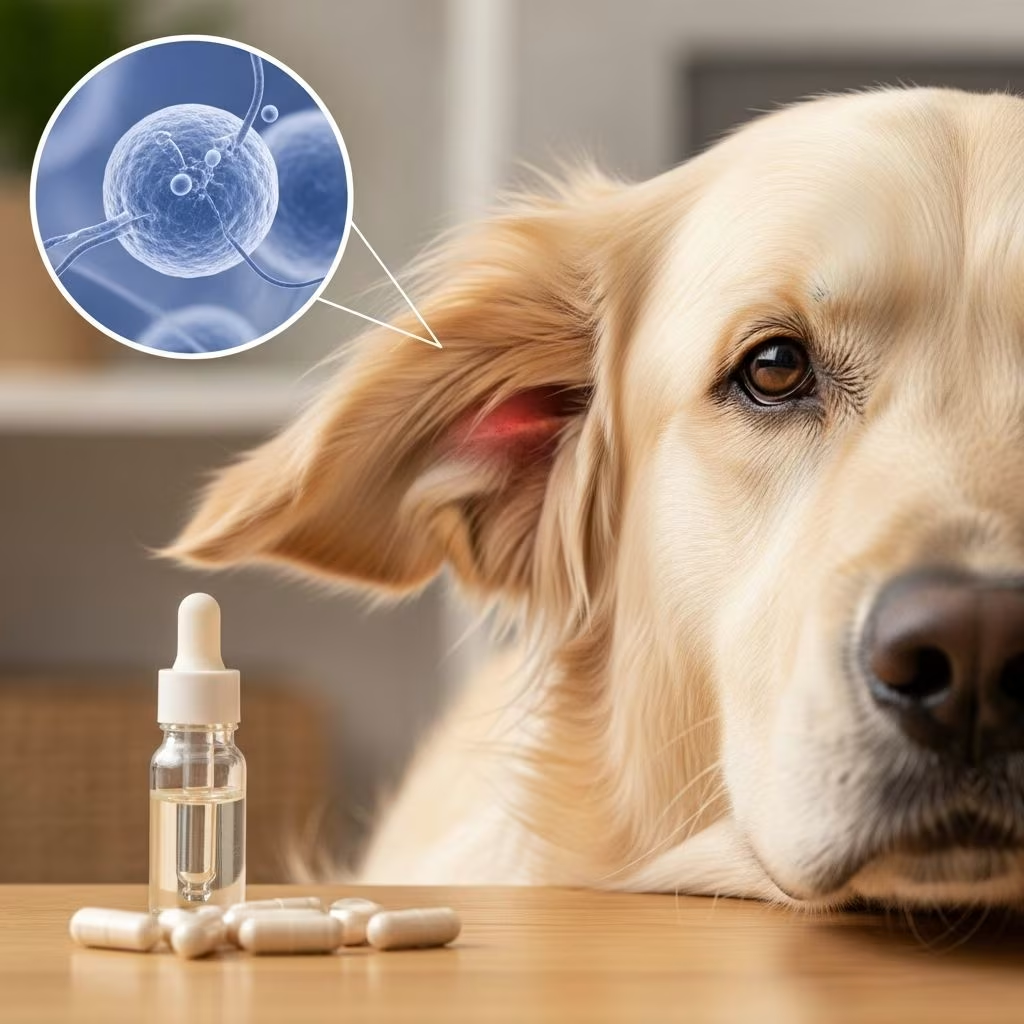
Yeast infections represent a common challenge for many dogs, often manifesting as persistent itching, foul odors, and recurrent ear issues. These conditions typically arise from an overgrowth of fungi like Malassezia or Candida, triggered by disruptions in the dog’s gut microbiome. Probiotics offer a natural, effective approach by replenishing beneficial bacteria, restoring microbial equilibrium, and creating an inhospitable environment for harmful yeasts. This comprehensive guide delves into the science, strains, administration methods, and supportive strategies to help your dog achieve lasting relief.
Understanding Yeast Overgrowth in Canines
Yeast thrives in warm, moist areas such as ears, paws, and skin folds, but its proliferation often stems from internal imbalances. Antibiotics, steroids, and high-carbohydrate diets wipe out good bacteria, allowing opportunistic yeasts to dominate. Symptoms include greasy fur, red inflamed skin, chronic scratching, and a musty smell that doesn’t fade with regular bathing. Left unchecked, yeast can lead to secondary bacterial infections and systemic issues if it enters the bloodstream.
The gut-skin axis plays a pivotal role here: a disrupted intestinal flora weakens immunity, impairs nutrient absorption, and promotes inflammation that exacerbates skin problems. Studies highlight how microbiome imbalances correlate with chronic dermatitis in dogs, underscoring the need for targeted microbial support.
The Science Behind Probiotics and Yeast Control
Probiotics are live microorganisms that, when administered in adequate amounts, confer health benefits by modulating the gut ecosystem. In dogs battling yeast, they work through multiple mechanisms: competing for space and nutrients, producing antimicrobial compounds, and strengthening the gut barrier to prevent yeast translocation.
- Direct Antifungal Action: Certain strains release bacteriocins and acids that rupture yeast cell walls and dismantle protective biofilms.
- Immune Modulation: They enhance antibody production and T-cell activity, bolstering defenses against fungal invaders.
- pH Regulation: Beneficial bacteria lower gut pH, inhibiting yeast proliferation which favors neutral or alkaline conditions.
- Biofilm Disruption: Probiotics degrade the slimy matrices yeasts form to shield themselves from immune attacks and treatments.
Clinical evidence supports these effects. For instance, Lactobacillus and Bifidobacterium strains have demonstrated efficacy in canine trials for suppressing Malassezia dermatitis and promoting epidermal repair.
Top Probiotic Strains for Canine Yeast Issues
Not all probiotics are equal; selection hinges on strains proven effective against yeast in dogs. Prioritize veterinary-formulated products with high colony-forming units (CFUs), typically 5-20 billion per dose, and enteric coatings for stomach acid resistance.
| Strain | Key Benefits | Evidence Level |
|---|---|---|
| Lactobacillus rhamnosus & plantarum | Breaks down yeast biofilms; antifungal metabolites | Canine clinical studies |
| Bifidobacterium lactis | Immune boost; inhibits Candida growth | High; multi-study support |
| Bacillus coagulans & subtilis | Soil-based; spore-forming for resilience; direct yeast combat | Proven in gut models |
| Saccharomyces boulardii | Yeast-based probiotic; antibiotic-resistant; blocks pathogen adhesion | Strong for post-antibiotic recovery |
| Pediococcus acidilactici | Protects gut lining; prevents yeast migration | Emerging research |
Multi-strain formulas combining 4-6 of these outperform single-strain options by mimicking the diverse canine microbiome.
Integrating Probiotics into Your Dog’s Routine
Start probiotics at the first sign of yeast recurrence or post-antibiotic therapy. Dosage varies by dog size: small breeds (under 25 lbs) need 5 billion CFUs daily; large breeds (over 75 lbs) up to 20 billion. Divide into two meals for steady colonization.
- Consult a Vet: Rule out allergies or hypothyroidism mimicking yeast symptoms.
- Choose Quality: Opt for refrigerated, third-party tested products made in GMP facilities.
- Administer Consistently: Mix into food; use pumpkin puree if picky.
- Monitor Progress: Expect itch relief in 7-14 days; full balance in 4-6 weeks.
Avoid human probiotics, as they lack canine-specific strains and may contain fillers harmful to dogs.
Enhancing Probiotics with Prebiotics and Diet
Probiotics are transient, surviving only days in the gut. Prebiotics—non-digestible fibers—nourish resident bacteria for sustained growth. Top sources include dandelion root, burdock, chicory, and low-sugar berries like raspberries.
Diet overhaul is crucial: switch to low-carb, high-protein kibble or fresh foods to starve yeast. Eliminate grains, potatoes, and sugars that fuel overgrowth. Add digestive enzymes to break down yeast cell walls and fulvic acid for detoxification.
- Sample Daily Additions: 1 tsp dandelion root powder; handful raspberries; 1/2 tsp chlorella.
Steer clear of fermented foods like yogurt during active infections, as their sugars feed yeast despite probiotic content.
Real-World Results and Case Insights
Dog owners report dramatic improvements: reduced ear cleanings, shiny coats, and allergy remission after 30 days of protocol adherence. One study noted 70% symptom reduction in yeast dermatitis cases using Lactobacillus-Bifidobacterium blends. Soil-based spores excel in antibiotic-disrupted guts, with users seeing odor elimination in weeks.
For chronic cases, combine with topical antifungals initially, transitioning to maintenance probiotics long-term to prevent relapse.
Potential Side Effects and Precautions
Probiotics are safe for most dogs, but initial mild gas or loose stools may occur as flora adjusts—typically resolves in 3 days. Immunocompromised pups require vet oversight. Over-supplementation risks bacterial imbalance; cycle off every 3 months.
FAQs on Probiotics for Dog Yeast Infections
Can probiotics cure yeast infections alone?
No, they excel as part of a holistic plan including diet and hygiene, addressing root causes for prevention.
How long until I see improvements?
Visible skin relief in 1-2 weeks; gut restoration in 1 month with consistent use.
Are soil-based probiotics better?
Yes for resilience; they survive harsh gut conditions better than lactobacilli alone.
What if my dog is on antibiotics?
Use Saccharomyces boulardii concurrently—it’s antibiotic-resistant and prevents yeast flares.
Can I make homemade probiotics?
Not recommended; potency and strain purity vary, risking inefficacy or contamination.
Building a Long-Term Yeast Prevention Plan
Sustain gains with rotating strains, seasonal prebiotic boosts, and annual fecal microbiome testing if available. Pair with omega-3s for anti-inflammatory skin support. Regular vet check-ups ensure no underlying issues like Cushing’s disease fuel recurrences.
By prioritizing gut health, you’ll not only conquer yeast but elevate your dog’s vitality, from digestion to demeanor. Proactive owners see fewer vet visits and happier pets.
References
- K9 Yeast Defense: Dog Yeast Supplement — AskAriel. 2023. https://www.askariel.com/yeast-infection-in-dogs-treatment-p/102.htm
- Best Dog Probiotics for Yeast — Mighty Munch. 2024. https://us.mightymunch.com/blogs/news/best-dog-probiotics-for-yeast
- How To Manage Yeast Infection In Dogs — Dogs Naturally Magazine. 2023-10-15. https://www.dogsnaturallymagazine.com/itchy-dog-yeast-infection/
- Gut Health & Yeast Infections in Dogs — Canine Ceuticals. 2024. https://canineceuticals.com.au/blogs/news/the-surprising-gut-solution-for-yeast-infections-in-dogs
- What to Know About Using Dog Probiotics for Yeast — American Kennel Club (AKC). 2023-05-20. https://www.akc.org/expert-advice/health/dog-probiotics-for-yeast/
- Yeast Infections: Symptoms and Treatment — Dishy Dogs. 2024. https://dishydogs.com.au/pages/yeast-infections



