

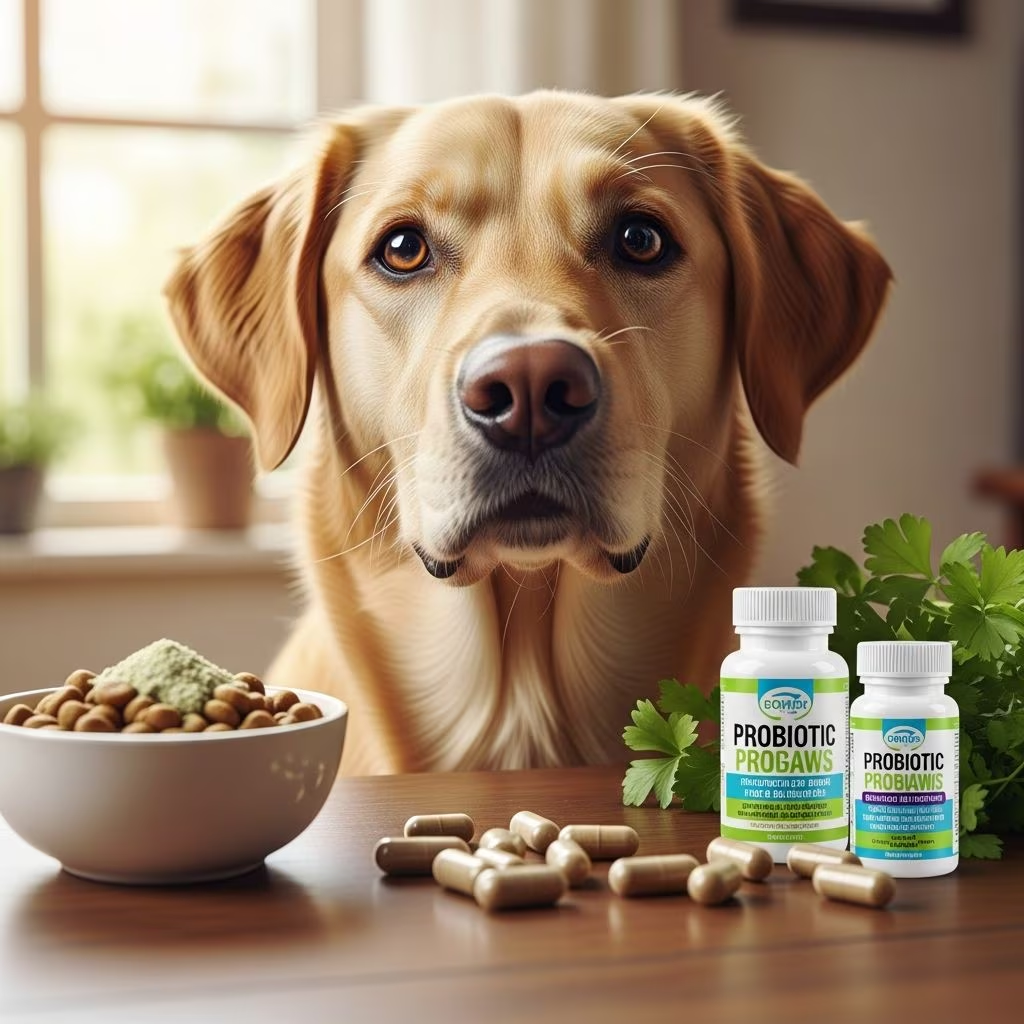
Probiotics offer dogs a natural way to maintain gut balance, bolster immunity, and tackle common health challenges. These live microorganisms, when administered in adequate amounts, confer health benefits by modulating the intestinal microbiota and supporting various bodily functions.
Understanding the Canine Gut Microbiome
The gut microbiome in dogs comprises trillions of bacteria that influence digestion, nutrient absorption, and immune responses. A healthy microbiome features a diverse population of beneficial bacteria like Lactobacillus and Bifidobacterium, which outcompete pathogens and produce short-chain fatty acids for intestinal integrity.
Disruptions from diet changes, antibiotics, or stress can lead to dysbiosis, causing diarrhea, inflammation, or weakened immunity. Probiotics help restore this balance by introducing live beneficial strains that colonize the gut and promote microbial diversity.
- Diverse microbiota aids in breaking down complex nutrients.
- Beneficial bacteria produce metabolites that nourish gut cells.
- Imbalance correlates with higher infection risks and poor fecal quality.
Key Benefits of Probiotics for Canine Health
Research demonstrates probiotics improve multiple aspects of dog health, particularly gastrointestinal function and immune modulation.
Supporting Digestive Function
Probiotics normalize intestinal pH and inhibit harmful bacteria like Salmonella through competitive exclusion. They enhance fecal consistency, reduce ammonia and biogenic amines, and alleviate diarrhea, especially post-antibiotics or during stress.
In studies, dogs supplemented with Saccharomyces cerevisiae showed lower fecal pH and improved scores, while multi-strain products decreased Clostridium perfringens levels.
Strengthening Immune Responses
About 70% of a dog’s immune system resides in the gut. Probiotics stimulate IgA and IgG production, enhancing barrier function and reducing inflammation in conditions like inflammatory bowel disease (IBD).
Strains such as those in Slab51 mixtures elevated fecal and plasma immunoglobulins, aiding recovery from intestinal disorders.
Mitigating Stress and Behavioral Issues
Probiotics like Bifidobacterium longum BL999 reduce anxiety-related behaviors such as barking or pacing in stressful situations. Dogs on this strain explored new environments more confidently, highlighting the gut-brain axis.
Addressing Specific Health Conditions
| Condition | Probiotic Effects | Supporting Strains |
|---|---|---|
| Acute Diarrhea | Improves remission rates, boosts microbiota diversity | Lactobacillus, Bifidobacterium |
| Chronic IBD | Suppresses inflammation, enhances barrier function | Multi-strain mixes like Slab51 |
| Antibiotic-Associated Diarrhea | Lowers incidence, restores balance | Limosilactobacillus fermentum |
| Colonic Dysmotility | Alleviates symptoms | Slab51 probiotic mixture |
Data from clinical trials indicate probiotics aid acute GI issues more effectively than chronic ones, though larger studies are needed.
Promising Probiotic Strains for Dogs
Canine-specific strains show superior efficacy due to adaptation to dog physiology. Common genera include Lactobacillus, Bifidobacterium, Enterococcus, and Bacillus.
- Ligilactobacillus animalis: Dominant in dog feces, inhibits enteropathogens.
- Lactiplantibacillus paraplantarum L-ZS9: Alters microbial diversity and metabolism.
- Lactobacillus reuteri ZJF036: Increases Lactobacillus abundance, decreases pathogens.
- Bifidobacterium longum BL999: Supports stress reduction and exploration.
- Multi-strain like CACC517, 537: Boost cell viability, reduce oxidative stress in dog cells.
Strains isolated from dogs, such as those tested in in vitro and in vivo models, demonstrate safety and functionality.
Choosing and Administering Probiotics
Select products with 1-10 billion CFUs per serving, verified for viability and non-pathogenicity. Look for canine-derived strains and third-party testing.
Administration tips:
- Mix powders into meals; most dogs accept them readily.
- Use capsules hidden in treats for picky eaters.
- Start prophylactically before stress events like travel or boarding.
- Combine with prebiotics for synergistic effects (synbiotics).
Dosage varies by dog size: smaller breeds may need 1-2 billion CFUs, larger ones up to 10 billion daily.
Scientific Evidence: What Studies Reveal
Peer-reviewed research confirms probiotics’ role in pet health. A review of canine and feline studies linked supplementation to better growth, intestinal morphology, and infection resistance.
Cornell University’s Riney Canine Health Center notes probiotics’ competition with pathogens and immune support.
Frontiers in Microbiology characterized dog-isolated strains that modulated microbiota and reduced oxidative stress.
However, a systematic review found limited effects for chronic GI diseases, emphasizing the need for larger trials due to small sample sizes and moderate bias risks.
Texas A&M experts report lower diarrhea incidence with probiotics, especially preemptively.
Potential Limitations and Safety Considerations
While generally safe, probiotics may not alter microbiota in all healthy dogs or significantly impact chronic conditions. Ensure products avoid antibiotic resistance promotion. Consult vets for dogs with severe illnesses.
Practical Integration into Dog Care Routines
Incorporate probiotics during diet transitions, post-antibiotics, or seasonal stressors. Monitor fecal changes and behavior for efficacy. Pair with high-fiber diets to sustain benefits.
Frequently Asked Questions (FAQs)
Can all dogs benefit from probiotics?
Yes, particularly those with GI upset, stress, or antibiotic use, though healthy dogs may see microbiota enhancements.
How long until probiotics work?
Effects on diarrhea can appear in days; immune and behavioral benefits may take weeks.
Are human probiotics safe for dogs?
Prefer canine-specific strains for better colonization; human ones may lack efficacy.
What if my dog refuses probiotics?
Disguise in treats or yogurt; choose palatable flavors.
Can probiotics replace vet treatments?
No, they complement; seek professional advice for persistent issues.
References
- Gut Probiotics and Health of Dogs and Cats: Benefits, Applications … — PMC/NCBI. 2023-10-17. https://pmc.ncbi.nlm.nih.gov/articles/PMC10609632/
- The power of probiotics | Cornell University College of Veterinary … — Cornell University. 2023. https://www.vet.cornell.edu/departments-centers-and-institutes/riney-canine-health-center/canine-health-topics/power-probiotics
- Characterization and Functional Test of Canine Probiotics – Frontiers — Frontiers in Microbiology. 2021-04-14. https://www.frontiersin.org/journals/microbiology/articles/10.3389/fmicb.2021.625562/full
- Clinical effect of probiotics in prevention or treatment of … — Journal of Veterinary Internal Medicine (Wiley). 2018-04-01. https://onlinelibrary.wiley.com/doi/10.1111/jvim.15554
- Probiotics for your Pets – Texas A&M College of Veterinary Medicine — Texas A&M University. 2023. https://vetmed.tamu.edu/news/pet-talk/probiotics-for-your-pets/



