

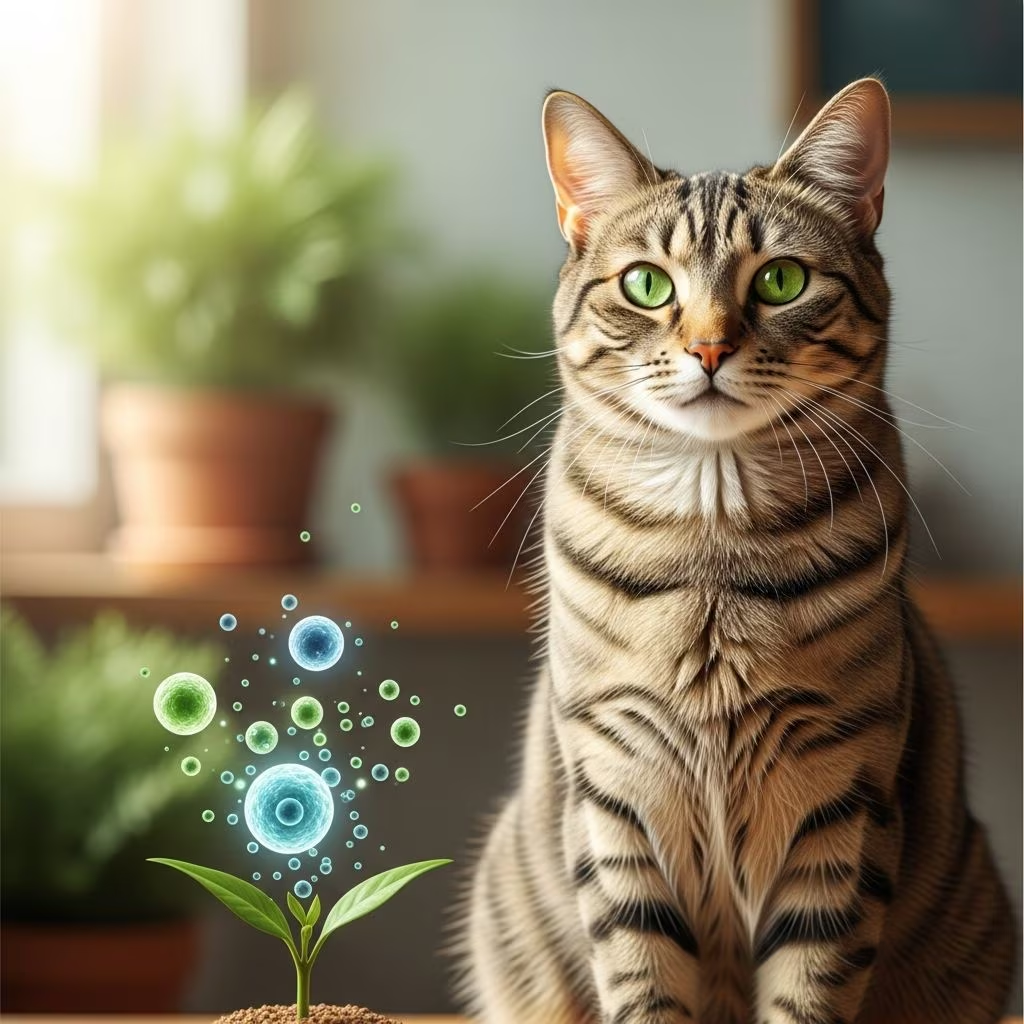
Probiotics offer cats a natural way to maintain digestive balance and bolster overall health by introducing beneficial live microorganisms that support the gut microbiome.
Understanding the Feline Gut Microbiome
The gut microbiome in cats consists of trillions of microorganisms that aid digestion, nutrient absorption, and immune regulation. Disruptions from stress, diet changes, or antibiotics can lead to imbalances, causing issues like diarrhea or weakened defenses. Probiotics help restore this delicate ecosystem, promoting a diverse bacterial population essential for feline vitality.
Research shows that a healthy microbiome produces short-chain fatty acids (SCFAs) like butyric acid, which nourish intestinal cells and reduce inflammation. In cats, maintaining this balance is crucial across life stages, from vulnerable kittens to senior cats prone to digestive decline.
Key Benefits of Probiotics for Feline Health
Probiotics deliver targeted advantages for cats, addressing common health challenges through microbiome modulation.
- Digestive Support: They alleviate diarrhea, constipation, and antibiotic-related upset by increasing beneficial bacteria like Lactobacillus and reducing pathogens such as E. coli.
- Immune Enhancement: By fostering gut diversity, probiotics regulate immune responses, lowering infection risks and supporting long-term resilience.
- Anti-Inflammatory Effects: Strains like SLAB51™ boost Bacteroidetes and Lactobacillus, easing symptoms of idiopathic megacolon and chronic gut inflammation.
- Metabolic Aid: Certain probiotics influence fat metabolism, potentially curbing obesity and improving nutrient digestibility.
- Systemic Wellness: Emerging evidence links gut health to liver, kidney function, and even skin allergies via the gut-brain axis.
Proven Probiotic Strains for Cats
Several strains have demonstrated efficacy in feline studies, with specific dosages yielding measurable improvements.
| Strain | Key Benefits | Evidence |
|---|---|---|
| Saccharomyces boulardii (10^10 CFU/kg) | Improves SCFA production, modulates gut microbes | Reduced gastrointestinal symptoms |
| Pediococcus acidilactici (1.25 × 10^10 CFU/kg) | Enhances digestion, boosts beneficial bacteria | Supports health post-antibiotics |
| SLAB51™ (Lactobacilli, Bifidobacteria, Streptococcus) | Increases Lactobacillus and Bacteroidetes | Alleviates constipation, anti-inflammatory |
| Enterococcus faecium SF68 | Reduces diarrhea episodes | Fewer incidents within 2 days |
| Bacillus subtilis natto | Reduces vomiting, diarrhea, foul stools | Improves immunity and growth |
| Lactobacillus plantarum L11 | Affects fat metabolism, reduces odorous compounds | Enhances nutrient digestion |
Composite probiotics combining multiple strains often yield superior results, such as a 10.45% drop in E. coli and 8.77% rise in Lactobacillus.
When to Use Probiotics in Cats
Incorporate probiotics strategically based on your cat’s needs and life stage.
Kittens and Young Cats
Probiotics aid developing microbiomes, supporting early digestion and immunity. They are ideal post-weaning or during stress from rehoming.
Adult Cats Facing Stress or Illness
Environmental changes, travel, or recovery from infections benefit from probiotics, which mitigate stress-induced gut disruptions via the gut-brain axis.
Senior Cats
Aging leads to microbiome decline; probiotics maintain digestion, immunity, and mobility by countering constipation and inflammation.
Post-Antibiotic Care
Antibiotics disrupt good bacteria, causing diarrhea or nausea. Probiotics accelerate flora recovery without interference, protecting against side effects.
Probiotics vs. Prebiotics: Complementary Roles
Prebiotics are non-digestible fibers that feed beneficial bacteria, amplifying probiotic effects. Synbiotics combine both for optimal gut support. Many cat foods now integrate these, improving protein digestibility and stool quality long-term.
- Probiotics: Live microbes for immediate balance.
- Prebiotics: Fuel for sustained growth of good bacteria.
- Synbiotics: Dual action for comprehensive microbiome health.
Choosing and Administering Probiotics
Select vet-recommended products with viable strains at therapeutic doses (e.g., 10^9-10^10 CFU per serving). Forms include powders, chews, or fortified foods.
Administration Tips:
- Mix into wet food or water for easy intake.
- Store in cool, dry places to preserve live cultures.
- Start with low doses to monitor tolerance.
- Combine with high-fiber diets for best results.
Safety is high; no major adverse effects reported in cats, though rare allergies to additives may occur—consult a vet.
Research Insights and Limitations
Studies confirm probiotics shorten acute diarrhea duration, especially in shelters, and aid chronic conditions like IBD. Vote-counting analyses show immune boosts in young cats and higher butyric acid in healthy ones.
However, cat-specific data lags behind dogs/humans; most research is preliminary. Optimal durations and strains for specific diseases need further trials. Probiotics in litter (e.g., with Lactobacillus rhamnosus) show promise for odor control and pathogen inhibition.
Frequently Asked Questions
Are probiotics safe for all cats?
Yes, with minimal risks; they suit most, including those on antibiotics.
How long until probiotics work?
Effects on diarrhea may appear in 2 days; full microbiome shifts take weeks.
Can probiotics prevent obesity in cats?
Preliminary evidence suggests yes, via fat metabolism and digestion improvements.
Should I use probiotics daily?
For maintenance, yes in food; for acute issues, follow vet dosing for 2-4 weeks.
Do probiotics help with cat allergies?
Some studies indicate benefits for allergic skin disease through immune modulation.
Integrating Probiotics into Daily Cat Care
For optimal results, pair probiotics with a balanced diet, hydration, and routine vet checkups. Monitor stool consistency, energy levels, and coat quality as indicators of success. Transition slowly to new supplements to avoid transient upset.
In shelters or multi-cat homes, probiotics reduce diarrhea outbreaks, enhancing welfare. For seniors, they support cognitive health indirectly via gut-brain links.
Word count: 1678 (excluding metadata and references).
References
- Probiotics and Cat Health: A Review of Progress and Prospects — PMC. 2024. https://pmc.ncbi.nlm.nih.gov/articles/PMC11205573/
- Probiotics for Cats: Gut Health Benefits — Purina Institute. 2023. https://www.purinainstitute.com/explore/probiotics-for-cats
- Probiotics in cats and dogs Fact Sheet — Davies Veterinary Specialists. 2024. https://www.vetspecialists.co.uk/fact-sheets-post/probiotics-use-in-cats-and-dogs-fact-sheet/
- Efficacy of probiotic, prebiotic, synbiotic and postbiotic … — Wiley Online Library. 2023. https://onlinelibrary.wiley.com/doi/10.1111/jsap.13822
- Probiotics for Dogs and Cats Study — Texas A&M University. 2024. https://vetmed.tamu.edu/gilab/research/research-assays/probiotics-for-dogs-and-cats-study/



