

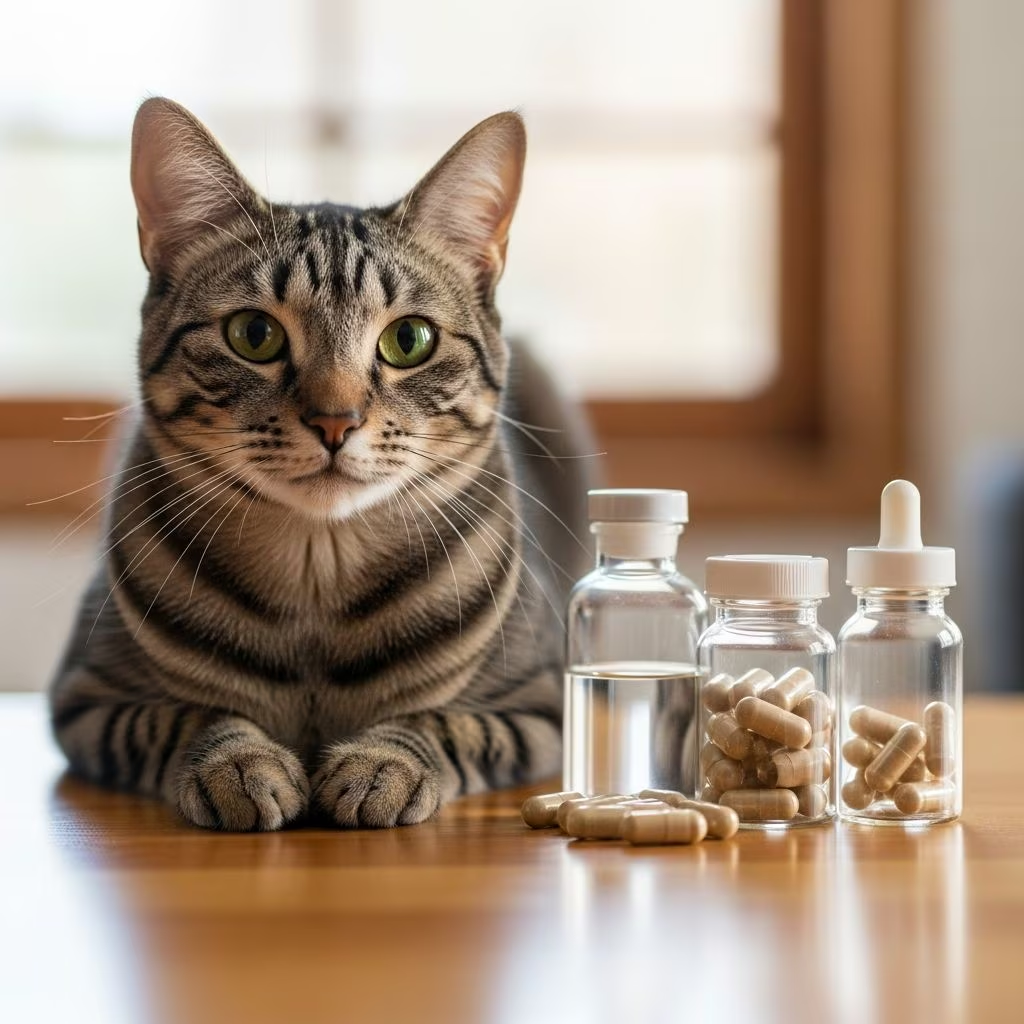
Probiotics have become an increasingly popular supplement for cats, offering numerous health benefits that support overall wellness. As a cat owner, understanding what probiotics are, how they work, and when to administer them can help you make informed decisions about your feline companion’s health. This comprehensive guide explores everything you need to know about cat probiotics.
What Are Probiotics for Cats?
Probiotics are live microorganisms, primarily beneficial bacteria and yeast, that help maintain and restore the balance of healthy bacteria in your cat’s digestive system. These beneficial organisms work naturally within the gastrointestinal tract to support digestive function and overall health. Common probiotic strains used in feline supplements include Lactobacillus, Bifidobacterium, Enterococcus, and Streptococcus species. The most effective strains for cats are typically Enterococcus and Bifidobacterium, as they provide targeted support for feline digestive and immune health.
Probiotics are available in multiple formulations to suit different cat preferences and health needs. These include supplement powders that can be mixed with food, capsules or pills for direct administration, probiotic-enhanced kibble for daily dietary support, and tasty chews that many cats find palatable. When selecting a probiotic for your cat, it’s important to look for products with high colony-forming units (CFU), which indicates the number of live organisms present. Quality products typically contain 120 million to billions of CFU per serving.
Key Benefits of Probiotics for Cats
Improved Digestive Health
One of the most well-documented benefits of cat probiotics is their ability to improve digestive health. Probiotics maintain a healthy balance in the gut microbiome, which significantly enhances the breakdown and absorption of nutrients. Cats who regularly take probiotics experience reduced instances of diarrhea and stomach upsets, leading to improved bowel movements and overall gastrointestinal comfort. For cats with specific digestive conditions, probiotics can be particularly beneficial, effectively alleviating gastrointestinal diseases such as diarrhea, ulcerative colitis, inflammatory bowel disease (IBD), and functional gastrointestinal disorders.
Strengthened Immune System
Approximately 70% of a cat’s immune system is positioned in their gut, making probiotic support essential for comprehensive immune health. By maintaining proper bacterial balance in the gut microbiome, probiotics stimulate immune cells and improve the body’s ability to detect and respond to potential threats. These beneficial bacteria also inhibit the growth of harmful pathogens and enhance the gut barrier, preventing harmful substances from entering the bloodstream. The connection between digestive and immune health means that a well-balanced microbiome directly translates to improved immune function and disease resistance.
Enhanced Skin and Coat Quality
Gut and skin health are closely interconnected, and the condition of your cat’s digestive system directly affects its skin and coat quality. By improving nutrient absorption, probiotics help cats maintain healthy skin and fur. Additionally, probiotics can regulate the inflammatory response in the gut, reducing inflammation throughout the skin. For cats dealing with allergies or sensitivity issues, probiotics may improve their tolerance and reduce allergic reactions.
Reduced Digestive-Related Stress
A balanced gut microbiome significantly reduces inflammation along the digestive tract, avoiding a major cause of stress in cats. Cats with stable digestive health experience better overall wellness and fewer health problems, leading to improved mood and behavior. This benefit is particularly helpful for cats dealing with inflammatory bowel disease, where gut stability plays a vital role in disease management and quality of life.
Additional Health Benefits
Research has confirmed that probiotics improve various aspects of feline health beyond digestion. Studies show that probiotics can prevent oral diseases, support healthy weight management, and reduce obesity in cats. Specific probiotic strains have demonstrated the ability to reduce gastrointestinal and bacterial symptoms including vomiting, foul-smelling stool, and help cats recover from physical decline caused by antibiotic use. Certain strains like Lactobacillus plantarum may positively affect fat metabolism by improving the gut microbiome, thereby reducing odorous substances and enhancing nutrient digestion.
When to Give Your Cat Probiotics
During Digestive Issues
If your cat is experiencing diarrhea, constipation, or any other gastrointestinal disturbance, probiotics can provide significant relief. Many veterinarians recommend probiotics as a treatment for cats struggling with persistent bacterial infections like E. Coli, acute pancreatitis, IBS, colitis, and other gastrointestinal disorders.
After Antibiotic Use
While antibiotics are essential for treating bacterial infections, they unfortunately eliminate both harmful and beneficial bacteria in the gut. This imbalance can lead to digestive upset and compromised immune function. Administering probiotics after antibiotic treatment can restore the balance of healthy bacteria and support recovery. According to studies, probiotics are particularly effective for cats on antibiotics, helping them maintain immune function during treatment.
During Dietary Transitions
Changing your cat’s diet can upset their stomach and cause digestive distress. Introducing probiotics during dietary transitions helps stabilize the gut and ease the adjustment period, allowing your cat to adapt to new food more comfortably.
For Young and Senior Cats
Young kittens and senior cats may benefit from probiotic support to boost their immune systems during vulnerable life stages. These age groups often have less robust immune responses, and probiotics can provide valuable support for maintaining health and preventing illness.
Following Infections or Medical Treatment
Your veterinarian may recommend probiotics if your cat receives antibiotics or other medications for infections or medical conditions. Probiotics help counteract the effects of treatment while supporting the body’s natural healing processes.
How Long Does It Take for Probiotics to Work?
The timeline for experiencing probiotic benefits varies depending on the health concern being addressed. For acute digestive issues like diarrhea or constipation, you may notice improvement within a day or two of starting probiotic supplementation. However, when addressing broader health concerns such as immune system support, it typically takes at least four weeks for your cat to experience noticeable positive effects. This difference reflects the varying mechanisms through which probiotics work—immediate symptom relief versus long-term systemic health improvements.
Choosing the Right Probiotic for Your Cat
Quality Considerations
When selecting a probiotic supplement for your cat, several factors should guide your decision. First, ensure the product contains multiple probiotic strains rather than relying on a single strain. Combining different types of probiotic bacteria like Enterococcus, Bifidobacterium, and Lactobacillus optimizes your cat’s digestive system more effectively than any single strain alone. Second, check the CFU count—higher numbers indicate more live organisms and typically provide better therapeutic effects.
Strain-Specific Benefits
Different probiotic strains offer specific benefits. Bifidobacterium is particularly effective for supporting digestion and nutrient absorption, while Enterococcus helps with the formation of healthy excrement and stool quality. Some strains maintain optimal health of the colon and support broader gastrointestinal function. It’s important to note that not every strain has beneficial effects on every cat’s gut, and individual responses may vary based on your cat’s unique microbiome composition.
Important Cautions
While probiotics are generally safe for most cats, there are situations where probiotic supplements may not be appropriate. Cats with significantly compromised gastrointestinal tracts or those who have recently undergone chemotherapy should not receive probiotics without veterinary approval. In these cases, your veterinarian needs to evaluate your cat’s specific condition and determine the appropriate course of action.
Is Daily Probiotic Use Safe?
Probiotics can be safely given to cats daily as a maintenance supplement to support ongoing digestive and immune health. Many high-quality probiotic products are specifically formulated for daily use, providing consistent support for your cat’s gut microbiome. The typical recommended dose is one chew or serving daily, though this may vary depending on the specific product and your cat’s individual health needs.
If your cat requires more intensive probiotic support, veterinarians may recommend advanced formulations with multiple probiotic strains and higher CFU counts. Some specialized products offer extra strength formulations with seven different probiotic strains and up to 3.25 billion CFU per serving, providing enhanced support for cats with more significant digestive challenges.
Probiotic Strains and Their Functions
Understanding the specific strains in your cat’s probiotic can help you select the most appropriate product for their needs. Research has identified several highly effective probiotic strains for feline health:
- Bacillus coagulans: A stable probiotic strain that survives room-temperature conditions and stomach acids more effectively than many alternatives, providing targeted support for digestive and immune health.
- Bacillus subtilis natto: When given daily, this strain reduces gastrointestinal and bacterial symptoms including vomiting, diarrhea, and foul-smelling stool, while enhancing immunity and promoting recovery from antibiotic-related decline.
- SLAB51™: A complex formula containing multiple Lactobacilli, Bifidobacteria, and Streptococcus species that significantly increases beneficial bacteria counts, improves constipation symptoms, and demonstrates anti-inflammatory effects.
- Lactobacillus plantarum L11: This strain may positively impact fat metabolism and reduce odorous substances by improving the gut microbiome and enhancing nutrient digestion.
The Science Behind Probiotics for Cats
Clinical research has demonstrated the effectiveness of probiotics in improving feline health outcomes. Studies show that feeding composite probiotics to cats significantly reduces diarrhea rates, improves the digestibility of crude protein, and produces notable reductions in harmful bacteria like Escherichia coli while increasing beneficial Lactobacillus counts. According to research findings, nearly 70% of pet parents reported their cats experienced improvement in their clinical condition after regularly consuming probiotics.
Probiotics work by promoting gut health through multiple mechanisms: regulating the intestinal microbiome, secreting beneficial metabolites including short-chain fatty acids (SCFAs) and amino acids, and improving the antioxidant status of the digestive system. These actions create a healthier internal environment that supports both digestive function and immune response.
Additional Applications of Probiotics
Beyond oral supplementation, probiotics have innovative applications in feline care. Complex probiotics added to cat litter can competitively inhibit the growth of harmful bacteria, effectively preventing zoonotic diseases while improving clumping, deodorization, and warming performance of litter. This application demonstrates the broader potential of probiotic technology in supporting feline health through multiple avenues.
Frequently Asked Questions About Cat Probiotics
Q: Are probiotics necessary for all cats?
While probiotics are not strictly necessary for all cats, they are an excellent way to maintain overall health, particularly for cats with digestive sensitivities, those taking antibiotics, or aging cats needing immune support. Consultation with your veterinarian can help determine if probiotics would benefit your specific cat.
Q: How do I know if my cat needs probiotics?
Signs that your cat may benefit from probiotics include frequent diarrhea, constipation, digestive upset, recent antibiotic use, dietary sensitivity, or signs of a weakened immune system. Your veterinarian can evaluate your cat’s symptoms and recommend appropriate probiotic therapy.
Q: Can I give my kitten probiotics?
Yes, probiotics can support kittens by boosting their developing immune systems and promoting healthy digestive development. However, you should always consult with your veterinarian before introducing any new supplements to ensure appropriate dosing for your kitten’s age and weight.
Q: How long can my cat take probiotics?
Cats can safely take probiotics long-term for ongoing digestive and immune support. Many cats benefit from daily probiotic supplementation as part of their regular wellness routine, while others may use probiotics short-term during specific health challenges like digestive upset or antibiotic treatment.
Q: Are there any side effects from cat probiotics?
Quality probiotics are generally well-tolerated by cats with minimal side effects. However, when first introducing probiotics, some cats may experience temporary mild digestive changes as their microbiome adjusts. If you notice any concerning symptoms, discontinue use and consult your veterinarian.
Q: Should I refrigerate cat probiotics?
Storage recommendations vary by product. Some probiotics require refrigeration to maintain viability, while others, like those containing Bacillus coagulans, are stable at room temperature. Always follow the storage instructions on your specific product’s label to maintain potency.
Conclusion
Probiotics represent a valuable tool in maintaining and improving your cat’s overall health and wellness. By supporting digestive function, strengthening the immune system, enhancing skin and coat quality, and reducing stress-related health issues, probiotics address multiple aspects of feline wellness. Whether your cat requires probiotics for specific health concerns or for general preventive care, understanding how these beneficial microorganisms work empowers you to make informed decisions about your cat’s supplementation. Always consult with your veterinarian before introducing new probiotics to ensure they’re appropriate for your cat’s individual health status and needs.
References
- Cat Probiotics 101: The Benefits, Types, and Tips — Noble Vet Clinic. 2024. https://noblevetclinic.com/blog/a-pet-owners-guide-to-probiotics-for-cats
- What Are the Benefits Of Using Cat Probiotics? — Petz Park. 2024. https://petzpark.co.uk/blogs/petz-park-blog/what-are-the-benefits-of-using-cat-probiotics
- What Are Probiotics for Cats? — Purina US. 2024. https://www.purina.com/articles/cat/health/digestion/probiotics-for-cats
- Probiotics and Cat Health: A Review of Progress and Prospects — National Center for Biotechnology Information (NCBI). 2024. https://pmc.ncbi.nlm.nih.gov/articles/PMC11205573/
- Cat Probiotics | Gut Health for Cats — VetriScience. 2024. https://www.vetriscience.com/probiotic-everyday-for-cats.html
- A Pet Parent’s Guide to Probiotics for Cats — Riverside Veterinary Clinic. 2024. https://www.riverside-vet.com/site/blog/2024/08/30/probiotics-cats
- A Pet Parent’s Guide to Probiotics for Cats — Germantown Animal Hospital. 2023. https://www.germantownah.com/site/blog-memphis-vet/2023/05/15/probiotics-for-cats



