

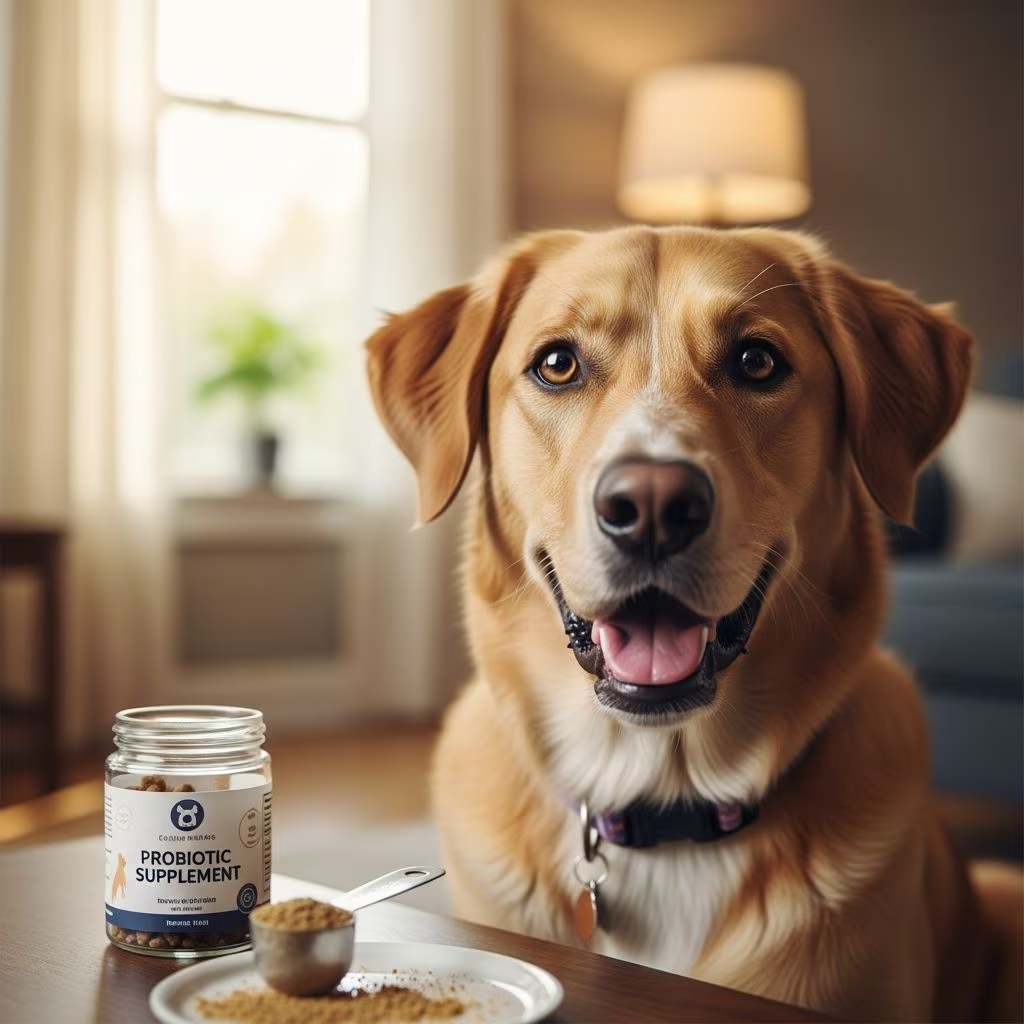
Improve Your Canine Companion’s Mood With Probiotics for Dogs
As a dog owner, you want your furry companion to be happy, healthy, and content. While proper nutrition, exercise, and training are essential components of canine wellness, there’s another powerful tool that can significantly enhance your dog’s overall well-being: probiotics. These beneficial microorganisms have gained considerable attention in recent years for their remarkable ability to support not only digestive health but also emotional stability and mood regulation in dogs.
The connection between your dog’s gut health and their mental state is more profound than many pet owners realize. Modern research has uncovered a fascinating relationship known as the gut-brain axis, which reveals how the digestive system directly influences mood, behavior, and emotional responses. By incorporating probiotics into your dog’s daily routine, you can harness this powerful connection to help your canine friend achieve a calmer, happier demeanor.
Understanding the Gut-Brain Connection in Dogs
The gut-brain axis represents a bidirectional communication system between the gastrointestinal tract and the central nervous system. Your dog’s digestive tract is lined with millions of nerve cells, collectively known as the enteric nervous system (ENS), sometimes referred to as the “second brain.” This intricate network of neurons sends signals directly to your dog’s brain, influencing emotions, behavior, and stress responses.
When your dog’s digestive system is out of balance, it can send distress signals to the central nervous system, potentially triggering mood changes, anxiety, and behavioral issues. Conversely, when the gut microbiome is healthy and balanced, it supports positive mental states and emotional resilience. This is where probiotics become invaluable for your pet’s overall well-being.
What Are Probiotics and How Do They Work?
Probiotics are beneficial live bacteria and microorganisms that support a healthy digestive system and promote overall wellness. Unlike harmful bacteria that can cause illness and digestive upset, probiotics are “good bacteria” that establish a balanced and thriving gut environment in your dog’s digestive tract.
These beneficial microorganisms work through several mechanisms to support your dog’s health. By restoring balance to the gut microbiome, probiotics help reduce inflammation in the digestive tract and support the production of important neurotransmitters—chemical messengers that directly influence mood and behavior. This process creates a cascading effect where improved gut health translates to better emotional regulation and a happier, more relaxed dog.
Key Probiotic Strains for Dogs
Not all probiotics are created equal, and certain strains have been specifically researched for their benefits to canine health. When selecting probiotics for your dog, look for products that contain these scientifically-validated strains:
Bifidobacterium longum: This strain has demonstrated remarkable anxiety-reducing effects in dogs. Research has found that when supplemented with Bifidobacterium longum, 90% of dogs exhibited less anxious behaviors and 75% of dogs showed lowered heart rates in response to anxiety-provoking stimuli. This strain supports a healthy gut microbiome that is directly linked to mood and behavior regulation, helping dogs become less reactive to stressful situations and potentially lowering their overall anxiety levels.
Lactobacillus acidophilus: Another excellent probiotic for anxious dogs, this strain helps maintain a healthy gut microbiome essential for emotional well-being. Lactobacillus acidophilus enhances digestion and nutrient absorption, contributing to better overall health. By supporting a balanced gut environment, this strain may help regulate stress responses, making dogs less sensitive to anxiety triggers.
Other beneficial strains: Certain species of Lactobacillus and Bifidobacterium can help manage yeast, support the immune system, prevent anxiety, and reduce stress. Additionally, some Bacillus species support the immune response, and Enterococcus faecium has been shown to shorten the course of diarrhea in dogs.
The Impact of Probiotics on Your Dog’s Mood and Behavior
Recent research has demonstrated significant improvements in dog behavior and emotional state following probiotic supplementation. Studies have shown that dogs given probiotic supplements exhibit lower levels of aggression, excessive barking, and other stress-related behaviors. This transformation occurs because probiotics work to balance the good and bad bacteria in your dog’s gut, which impacts both their immune system and mental health.
By improving gut health and restoring the balance of healthy bacteria in the digestive tract, probiotics reduce inflammation and support the production of important neurotransmitters that directly influence mood and behavior. This can have a profound positive impact on your dog’s overall demeanor, leading to a noticeably happier and more relaxed companion.
Anxiety and Stress Reduction
One of the most compelling applications of probiotics for dogs is their ability to manage anxiety and stress-related behaviors. When dogs experience stress or changes in their routine, their gut microbiome can become unbalanced, exacerbating symptoms of anxiety such as excessive barking, nervousness, and destructive behaviors. Probiotics help rebalance the gut, soothing not just tummy troubles but emotional distress as well.
Probiotics can help modulate stress responses by regulating how your dog reacts to various situations, potentially reducing anxiety levels. A balanced gut microbiome supports the immune system, and when a dog feels physically well, it can greatly impact their emotional state. Probiotics are particularly beneficial during challenging situations including:
– Separation anxiety
– Loud noises such as thunderstorms and fireworks
– Travel-related stress
– Vet visits or grooming appointments
– Changes in routine or environment
Comprehensive Health Benefits of Probiotics for Dogs
While probiotics are renowned for their mood-enhancing properties, their benefits extend far beyond emotional regulation. A balanced microbiome supported by regular probiotic supplementation contributes to numerous aspects of your dog’s overall health and quality of life.
Improved Digestion and Digestive Health
Better digestion leads to fewer tummy troubles, reduced stool odors, and improved nutrient absorption. Dogs with digestive issues often experience discomfort that manifests as behavioral problems or anxiety. By supporting optimal digestive function, probiotics eliminate a source of physical discomfort and promote a more content dog.
Boosted Immunity
A balanced microbiome strengthens your dog’s immune system, helping them fight off illness and recover quickly from infections. When your dog’s immune system is functioning optimally, they experience fewer health issues and maintain better overall vitality.
Healthy Coat and Skin
By improving nutrient absorption, probiotics can enhance coat quality and reduce skin irritation. A shiny, healthy coat is not only aesthetically pleasing but also an indicator of internal wellness and proper nutrition.
Maintaining a Healthy Weight
Probiotics play a role in metabolism regulation, helping prevent unnecessary weight gain or loss. A healthy weight is crucial for your dog’s long-term health and can reduce strain on joints and organs.
Relief from Common Canine Issues
Probiotics have been shown to help with several common canine health concerns including:
– Reducing diarrhea and gastrointestinal distress
– Providing relief from allergies
– Supporting the immune system
– Managing yeast infections
– Supporting food allergy management
How to Introduce Probiotics to Your Dog’s Diet
Integrating probiotics into your dog’s routine is straightforward and can be done with minimal effort. Follow these steps to ensure successful probiotic supplementation:
Step-by-Step Introduction Guide
1. Start by reading the product label: Determine the proper dosage for your dog’s size, age, and specific health needs. Different products have varying concentrations and recommended doses.
2. Choose the right format: Probiotics for dogs come in various forms including powders, chews, capsules, and liquids. Select a format that works best with your dog’s preferences and your lifestyle. Many probiotic supplements are specifically formulated to blend seamlessly with regular meals.
3. Mix into your dog’s food: Most probiotics can be easily mixed into your dog’s regular meals, whether wet or dry food. This ensures your dog receives the full benefit without resistance.
4. Be consistent: Probiotics work best when given regularly, especially during stressful periods. Establish a daily routine to ensure your dog receives their probiotic supplement at the same time each day for maximum effectiveness.
5. Monitor your dog’s response: Observe changes in your dog’s digestion, behavior, and overall demeanor over the first few weeks. Most dogs show noticeable improvements within 2-4 weeks of consistent probiotic use.
When to Give Probiotics
You can give probiotics daily to help maintain a mood-balancing and health-enhancing canine gut flora, as well as during stressful times for additional support. Consider increasing probiotic supplementation during periods of change or stress such as moving to a new home, introducing new pets, or during medical treatments.
Choosing the Right Probiotic for Your Dog
With numerous probiotic products available on the market, selecting the best option for your dog requires careful consideration. Here are key factors to evaluate when choosing a probiotic supplement:
Product Quality Indicators
– Look for products specifically designed for dogs rather than using human probiotics
– Verify that the product contains strains known to benefit canine health
– Check for products that include multiple probiotic strains for broader benefits
– Ensure the product includes prebiotics, which feed the beneficial bacteria
– Look for products from reputable manufacturers with quality certifications
– Verify that the product has been tested for potency and purity
Why Dog-Specific Probiotics Matter
Dog-specific probiotics are preferable to human probiotics, as they are formulated specifically for canine digestive systems. A dog’s digestive system has different pH levels and bacterial requirements than a human’s, so human probiotics may not be as effective or appropriate for your pet.
Frequently Asked Questions About Dog Probiotics
Q: At what age can I start giving my dog probiotics?
A: Puppies can begin receiving probiotics once they are weaned and eating solid food. However, consult your veterinarian before starting any supplement regimen, as they may recommend starting probiotics at a specific age based on your puppy’s health status and breed.
Q: Are probiotics safe for all dogs?
A: Probiotics are generally safe for most dogs when administered at appropriate dosages. However, dogs with compromised immune systems or certain health conditions may need special considerations. Always consult your veterinarian before introducing probiotics, especially if your dog is taking medications or has existing health issues.
Q: How long does it take to see results from probiotics?
A: Most dogs show noticeable improvements in digestion and behavior within 2-4 weeks of consistent probiotic use. However, some dogs may take longer to respond, and others may show improvements more quickly. Consistency is key to achieving optimal results.
Q: Can probiotics interact with my dog’s medications?
A: While probiotics are generally compatible with most medications, certain interactions are possible, particularly with antibiotics. Probiotics should typically be given at a different time than antibiotics to maximize their effectiveness. Consult your veterinarian about timing and potential interactions.
Q: Are there any side effects from giving dogs probiotics?
A: Probiotics are well-tolerated by most dogs with minimal side effects. Some dogs may experience temporary mild digestive changes as their gut microbiome rebalances. If your dog experiences persistent digestive upset or other concerning symptoms, discontinue the supplement and consult your veterinarian.
Q: How much do probiotics for dogs cost?
A: Probiotic costs vary depending on the brand, formula, and quantity. Monthly costs typically range from moderate to moderately-high, making them an affordable wellness investment for most dog owners.
Creating a Holistic Approach to Your Dog’s Well-being
While probiotics are a powerful tool for supporting your dog’s mood and health, they work best as part of a comprehensive wellness approach. Combining probiotics with proper nutrition, regular exercise, mental stimulation, and positive training creates an optimal environment for your dog to thrive emotionally and physically.
Remember that every dog is unique, with individual needs and preferences. What works wonderfully for one dog may need adjustment for another. This is why consulting with your veterinarian before starting any new supplement regimen is essential. Your vet can provide tailored recommendations based on your dog’s specific age, health status, and behavioral needs.
Conclusion: Invest in Your Dog’s Happiness
By understanding the powerful connection between gut health and mood through the gut-brain axis, you can make informed decisions about your dog’s wellness. Probiotics represent a natural, scientifically-supported way to enhance your dog’s digestive health while simultaneously improving their emotional well-being and behavior. Whether your dog struggles with anxiety, experiences occasional stress, or simply deserves the benefits of optimal gut health, probiotics offer a safe and effective solution.
The journey to a calmer, happier dog begins with a healthy gut. Start today by exploring high-quality probiotic options designed for dogs, consulting with your veterinarian, and committing to consistent supplementation. Your furry companion deserves to experience the joy and contentment that comes from optimal health—and probiotics may be the key to unlocking that potential.
References
- Unlocking the Secret to a Calm and Happy Dog: The Surprising Role of Probiotics — PetCultures. https://petcultures.com/blogs/news/unlocking-the-secret-to-a-calm-and-happy-dog-the-surprising-role-of-probiotics
- The Role of Probiotics in Easing Stress and Separation Anxiety in Dogs — iPROMEA. https://www.ipromea.com.au/the-role-of-probiotics-in-easing-stress-and-separation-anxiety-in-dogs
- Do Probiotics Help Dogs with Anxiety? — Big Dog Pet Foods. https://www.bigdogpetfoods.com/guides/do-probiotics-help-dogs-with-anxiety
- Probiotics for Dogs: Types, Costs and Benefits Explained — CareCredit. https://www.carecredit.com/well-u/pet-care/probiotics-for-dogs/
- Probiotics for Dogs: Does Your Dog Need Them? — PetMD. https://www.petmd.com/dog/general-health/probiotics-dogs-what-you-need-know
- Gut Probiotics and Health of Dogs and Cats: Benefits, Applications, and Considerations — National Center for Biotechnology Information. 2023. https://pmc.ncbi.nlm.nih.gov/articles/PMC10609632/
- How Probiotics for Dogs Can Benefit Your Pup’s Mood — Chewy Education. https://www.chewy.com/education/dog/food-and-nutrition/improve-your-canine-companions-mood-with-probiotics-for-dogs



