

Pro Pet Grooming Tips to Keep Your Best Friend Happy, Healthy, and Looking Good
Grooming is one of the most important aspects of pet care, yet many cat owners struggle to maintain a consistent routine. Professional grooming goes beyond making your feline friend look beautiful—it’s essential for their health, comfort, and overall well-being. Whether you have a long-haired Persian or a sleek short-haired tabby, understanding proper grooming techniques will help you build a routine that keeps your cat happy and healthy between professional appointments.
The Importance of Regular Grooming
Regular grooming serves multiple critical functions for your cat’s health. It removes loose fur that would otherwise end up on your furniture and clothes, reduces shedding throughout your home, and prevents painful mats and tangles from forming in your cat’s coat. Beyond aesthetics, grooming allows you to inspect your cat’s skin for any abnormalities, parasites, or health concerns. A well-groomed cat is also a more comfortable cat—mats can pull on the skin and cause irritation, while regular brushing promotes better circulation and distributes natural oils throughout the coat.
Brushing: The Foundation of Good Grooming
Understanding Your Cat’s Coat Type
Different coat types require different approaches. Short-haired cats benefit from regular brushing with rubber brushes or metal combs to remove dead hair and debris, while long-haired breeds need more frequent and thorough grooming sessions. The frequency of brushing depends on your cat’s coat: short-haired cats typically need brushing once or twice weekly, while long-haired cats may require grooming sessions every few days to prevent matting and maintain coat health.
Choosing the Right Tools
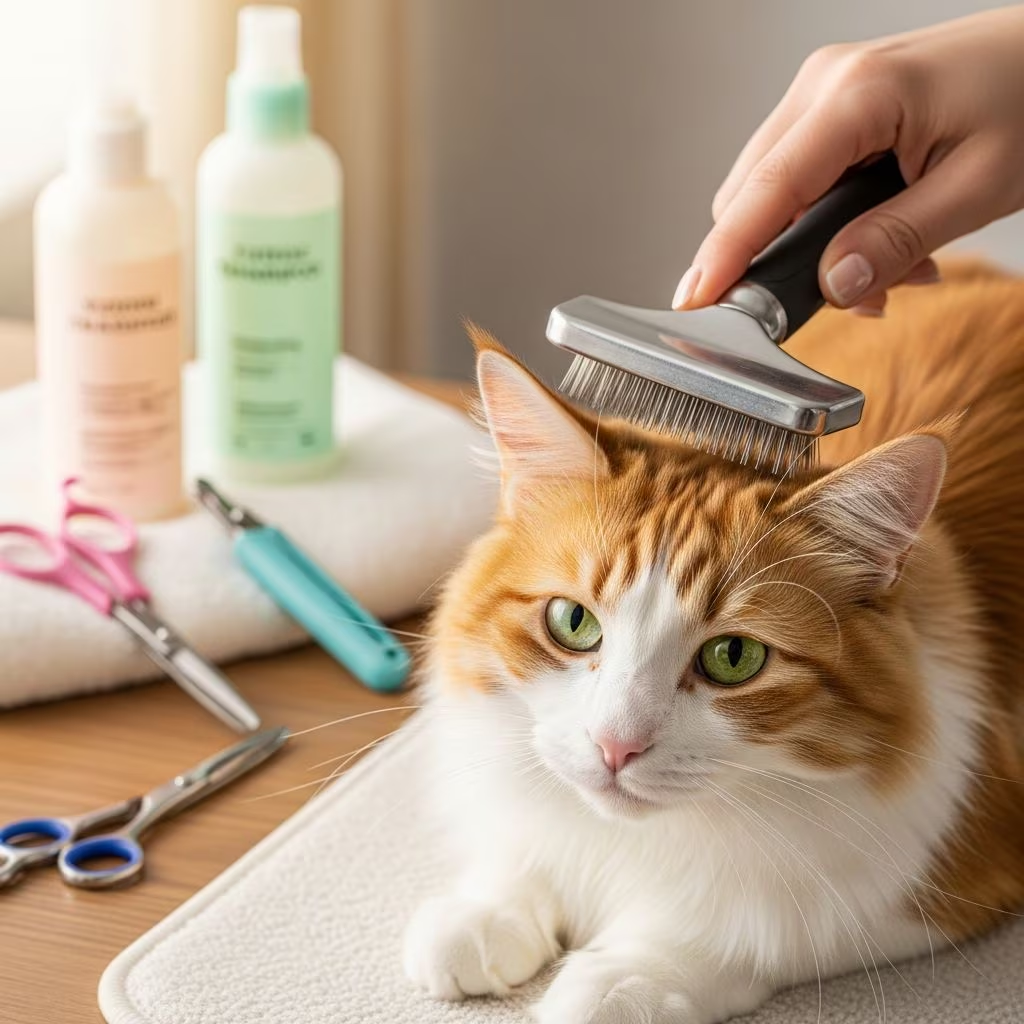
Professional groomers recommend investing in quality tools tailored to your cat’s specific needs. For short-haired cats, a bristle brush or rubber brush works effectively for removing loose fur and dead hair. Long-haired cats benefit from wide-toothed combs and slicker brushes that can work through the undercoat without causing discomfort. Grooming gloves are excellent for cats who are sensitive to traditional brushes, providing a gentler massage-like experience while still removing loose hair. Rake combs with flexible tines are particularly good for touchy cats, as they’re less intimidating than hard metal tools while still reaching the undercoat effectively.
Brushing Technique and Best Practices
Always brush in the direction of hair growth, starting from your cat’s head and working toward the tail. For long-haired cats, begin with the abdomen and legs, gently combing the fur upward, then move to the neck, brushing upward toward the chin. Pay special attention to trouble spots prone to matting: behind the ears, under the legs, armpits, and the belly area. Work on one section at a time, concentrating your efforts to remove all dead hair and prevent tangles. If your cat complains or shows signs of discomfort, stop immediately and try again when they’re more relaxed. Building positive associations with grooming through rewards and praise makes future sessions easier.
Making Grooming a Positive Experience
Start grooming sessions when your cat is already relaxed and purring, ideally making it an extension of regular petting sessions. Never force grooming on an unwilling cat, as this creates negative associations. Instead, gradually introduce grooming tools by stroking your cat with the back of the tool so they become accustomed to the sensation. Reward your cat with treats and praise during and after grooming to reinforce that it’s a positive experience. Starting grooming routines early in a cat’s life makes them more receptive to the process as they mature.
Managing Mats and Tangles
Prevention First
The best approach to mats is prevention through regular, consistent brushing. However, mats can still form, particularly in areas with friction or moisture. When they do occur, address them promptly before they become severe.
Safe Mat Removal Techniques
If mats develop, start with the safest tool available: your fingers. Gently locate the mat and carefully begin pulling it apart, watching your cat’s body language closely. If your cat shows signs of discomfort, stop and try again later. For more stubborn mats, use a mat splitter or dematting tool, working from the base of the mat near the skin upward. You can also sprinkle a small amount of talcum powder on knots and gently tease them apart with your fingers or a wide-toothed comb. When using scissors or mat splitters, always work a guide comb as close to the skin as possible to protect your cat from accidental cuts. If mats are too severe or your cat is particularly sensitive, consult a professional groomer for safe removal.
Bathing Your Cat
When and Why to Bathe Your Cat
While cats are excellent self-groomers, occasional baths can remove stubborn dirt, grease, allergens, or other debris that regular brushing can’t address. Most cats only need bathing a few times per year, though some situations may warrant more frequent baths. Schedule baths when your cat is at their most mellow and relaxed.
Pre-Bath Preparation
Before bathtime, prioritize playtime to tire your cat out and help them relax. Give your cat a thorough brushing to remove any loose hair, mats, or tangles—these are much harder to manage on a wet cat. Trim your cat’s nails before bathing, as wet nails are harder to see clearly and more prone to breakage. Gently place cotton balls in your cat’s ears to keep water out, and place a rubber bath mat in the sink or tub to prevent slipping, which helps your cat feel more secure.
The Bathing Process
Use lukewarm water—never hot or cold—as extreme temperatures can shock your cat’s system. Select a cat-safe shampoo formulated specifically for felines; human shampoo can dry out a cat’s skin and cause irritation. Gently massage your pet with a solution of one part cat shampoo diluted with five parts water, working from head to tail in the direction of hair growth. Take careful care to avoid the face, ears, and eyes, as water and shampoo in these areas can cause significant distress. Thoroughly rinse all shampoo residue with a spray hose or pitcher, ensuring no soap remains in the coat.
Post-Bath Care
After bathing, wrap your cat in a large, soft towel and dry them thoroughly in a warm area away from drafts and cold air. If your cat tolerates the noise, you can use a blow dryer on the lowest heat setting, but many cats prefer towel-drying. For long-haired cats, you may need to carefully untangle their fur with a wide-toothed comb while it’s still damp. Reward your cat generously with praise and their favorite treats for tolerating the bath—this positive reinforcement makes future baths more manageable.
Nail Care and Paw Maintenance
Trimming Your Cat’s Nails
Regular nail trimming is essential for your cat’s comfort and health. Once your cat is ready for nail clipping, move slowly and trim only one or two nails at a time. This gradual approach prevents accidentally hurting your pet, which can make them wary of clippers in the future. Trim only the sharp tip of the claw, avoiding the sensitive pink base of the nail at all costs, as cutting into this area causes pain and bleeding.
Paw Pad Care
Be wary of your cat’s sensitive paw pads. In hot and cold weather, moisturize them with a veterinarian-recommended product and try to avoid letting your cat’s feet touch freezing patios, hot sidewalks, or other uncomfortable surfaces. If you notice your cat obsessively cleaning their paws, limping, or favoring one leg, investigate the issue—your cat may require veterinary attention.
Grooming Setup and Environment
Creating the Right Space
Have all grooming tools you’ll need ready and at hand before beginning. One key aspect of effective cat grooming is being able to work swiftly and efficiently without interruption. Give your cat something grippy to lie on while you work—a soft pad, bathmat, or towel allows them to grip and feel more secure during grooming sessions.
Keeping the Environment Calm
Keep your work area as peaceful as possible when grooming your feline. This includes choosing tools that are as quiet as possible—for instance, most 5-in-1 trimmers are quieter than full-sized clippers, making them perfect for feline grooming. A calm environment reduces stress for both you and your cat, making grooming sessions more pleasant and efficient.
Special Grooming Considerations
Long-Haired Cat Grooming
Long-haired cats living indoors shed throughout the year and require more frequent grooming sessions—ideally every few days—to remove dead hair and prevent tangles. When grooming long-haired cats, focus special attention on their belly, the area under their chin, and their tail. You can thin out thick ruffs using thinning shears, scissors with one blade featuring teeth and one without, which allows you to snip into thick fur without cutting it off completely.
Short-Haired Cat Grooming
For short-haired cats, use a metal comb and work the brush through the coat from head to tail to remove dirt and debris. Work along the lie of the fur, brushing in the direction the coat naturally grows. Brush all over the body, including the chest and abdomen, concentrating on one section at a time to remove dead hair.
Professional Grooming vs. Home Grooming
While home grooming is important and beneficial, professional groomers possess specialized training, equipment, and experience that complement your at-home routine. Professional groomers can safely handle difficult mats, provide expert nail trims, and perform specialized treatments like calming baths that make the experience pleasant for anxious cats. Many cat owners find that combining regular at-home grooming with periodic professional appointments ensures their cats receive the best possible care.
Health Benefits of Regular Grooming
Beyond appearance, regular grooming provides significant health benefits. It allows you to inspect your cat’s skin for abnormalities, detect parasites early, and identify any lumps or bumps that might warrant veterinary attention. Proper grooming also prevents skin issues, improves circulation, and helps distribute natural oils throughout the coat. Additionally, a well-groomed cat is generally happier and more comfortable, leading to better overall health and behavior.
Frequently Asked Questions
Q: How often should I groom my short-haired cat?
A: Short-haired cats typically need brushing once or twice weekly to remove dead hair and prevent matting. Regular brushing helps control shedding and keeps their coat healthy.
Q: How often should I groom my long-haired cat?
A: Long-haired cats need grooming every few days to prevent tangles and mats from forming. Daily grooming during heavy shedding seasons may be necessary.
Q: What should I do if my cat resists grooming?
A: Start with short grooming sessions and reward your cat with treats and praise. Make grooming part of relaxing petting sessions, and never force your cat to tolerate grooming if they’re uncomfortable.
Q: Can I use human shampoo to bathe my cat?
A: No, you should always use cat-specific shampoo. Human shampoo can dry out a cat’s skin and cause irritation because it has a different pH balance than feline skin.
Q: How often should I trim my cat’s nails?
A: Most cats need nail trimming every 2-4 weeks, depending on their activity level and how quickly their nails grow. Indoor cats typically need more frequent trims than outdoor cats.
Q: What temperature water should I use for bathing my cat?
A: Always use lukewarm water, not hot or cold. Extreme temperatures can shock your cat’s system and make them more resistant to future baths.
Q: Is it normal for cats to shed a lot?
A: Some shedding is normal, especially in spring and fall. However, regular brushing can significantly reduce the amount of hair your cat sheds around your home.
References
- Top Grooming Tips for Spa-Perfect Cats — Tipp to Tail. Accessed 2025-11-28. https://tipptotail.com/cat-grooming-tips/
- 15 Grooming Tips for Cat Owners — Pumpkin Pet Insurance. Accessed 2025-11-28. https://www.pumpkin.care/post/cat-grooming-tips
- Cat Grooming Tips — ASPCA. Accessed 2025-11-28. https://www.aspca.org/pet-care/cat-care/cat-grooming-tips
- Cat Grooming Tips for a Happier, Healthier Kitty — Aspen Commons Veterinary. 2025-09-20. https://www.aspencommonsvet.com/2025/09/20/cat-grooming-tips/
- Tame the Floof! Grooming Tips for Longhaired Cats — Happy Cats Haven. Accessed 2025-11-28. https://happycatshaven.org/resource/grooming-cats/
- Cat Grooming 101 — Frank Rowe & Son. Accessed 2025-11-28. https://www.frankroweandson.com/blog/cat-grooming-101/



