

Preventive Health Care Guidelines for Cats: A Comprehensive Guide to Feline Wellness
An old but timeless adage perfectly captures the essence of feline health care: “An ounce of prevention is worth a pound of cure.” Avoiding illness is always preferable to treating it, and when illness cannot be avoided, early intervention proves far more effective than late-stage treatment. This principle is especially crucial for cats because they age significantly faster than humans. A single year in a cat’s life is equivalent to approximately four to five years in human terms, making preventive health care not just beneficial but essential for maintaining their quality of life and longevity.
To standardize and improve veterinary care for cats across the industry, the American Animal Hospital Association (AAHA) and the American Veterinary Medical Association (AVMA) collaborated with specialty groups including the American Heartworm Society, Feline Veterinary Medical Association (FelineVMA), and the Companion Animal Parasite Council to develop comprehensive Feline Preventive Healthcare Guidelines (FPHG). These evidence-based guidelines translate scientific knowledge into actionable best practices that veterinarians and cat owners can implement together to promote prevention and early disease intervention.
Understanding Preventive Healthcare Guidelines
Preventive healthcare guidelines represent a cohesive framework designed to maintain optimal health throughout your cat’s life. Unlike fragmented advice found across the internet, these professionally-developed guidelines integrate the most current scientific and clinical information available. They provide veterinary teams and cat owners with clear, standardized recommendations that improve patient health outcomes and quality of life at every stage of development.
The effectiveness of these guidelines stems from their foundation in evidence-based medicine. Rather than relying on anecdotal information or outdated practices, the FPHG incorporate research from leading veterinary organizations and clinical experts. This approach ensures that your cat receives care aligned with the highest professional standards in veterinary medicine.
Regular Examinations: The Foundation of Preventive Care
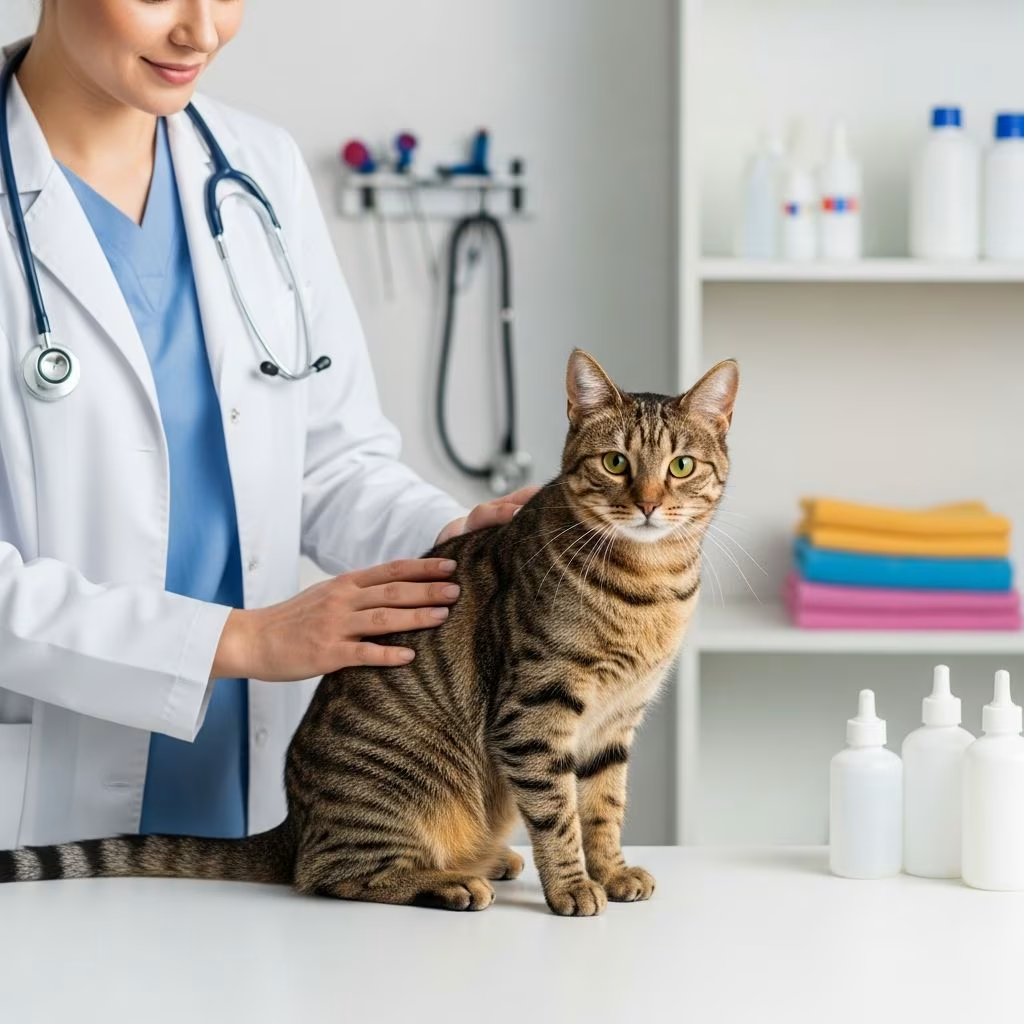
Comprehensive veterinary examinations form the cornerstone of preventive health care for cats. Even cats appearing perfectly healthy require professional evaluation at least once annually, with many cats benefiting from twice-yearly visits. Cats with existing health conditions or those in their senior years should visit their veterinarian more frequently to monitor their evolving health status.
During a wellness examination, your veterinarian will:
- Review your cat’s recent medical history and lifestyle
- Assess activities of daily living and general behavior patterns
- Evaluate diet quality and nutritional intake
- Perform a thorough physical examination including dental assessment
- Conduct pain assessment to identify discomfort or chronic conditions
- Score body condition to evaluate weight status
- Detect enlarged lymph nodes, skin tumors, heart murmurs, arrhythmias, or abdominal abnormalities
Physical examinations can reveal early signs of serious conditions that might otherwise go unnoticed. Because cats instinctively hide pain and illness to avoid appearing vulnerable to predators, thorough professional evaluation becomes especially critical for detecting emerging health issues.
Diagnostic Testing: Early Detection of Organ Disease
Blood work and urinalysis form essential components of feline preventive care, enabling veterinarians to detect organ dysfunction in its earliest stages before symptoms become apparent. The recommended annual diagnostic panel includes:
- Complete Blood Count (CBC) — measures red blood cells, white blood cells, and platelets to assess overall blood health and identify infections or blood disorders
- Chemistry Profile — evaluates organ function including liver, kidneys, and pancreas; measures electrolytes and blood glucose levels
- Thyroid Screen — measures thyroid hormone levels to detect hyperthyroidism and other thyroid disorders common in cats
- Urinalysis — examines urine composition to identify kidney disease, diabetes, urinary tract infections, and other conditions
Additionally, all cats should be screened for Feline Immunodeficiency Virus (FIV) and Feline Leukemia Virus at least once during their lifetime. Cats with higher exposure risks or outdoor access may require more frequent screening. These routine tests often detect disease before clinical signs emerge, allowing for early intervention when treatment proves most effective.
Dental Care: Protecting Oral and Systemic Health
Oral health significantly impacts a cat’s overall wellness and longevity. Cats with clean, healthy mouths consistently live longer lives than those with dental disease. However, the connection between oral health and systemic disease extends far beyond the mouth itself.
The bacteria involved in periodontal disease do not remain confined to the oral cavity. These pathogens invade the bloodstream and travel throughout the body, establishing infections in major organs including the kidneys, liver, and heart. These secondary infections cause significant health complications and can substantially reduce quality of life and lifespan.
Professional dental care should include:
- Regular dental assessments during wellness examinations
- Professional cleaning every one to two years, with frequency adjusted based on individual needs
- Dental radiographs (X-rays) to assess disease severity and identify problems below the gum line
- Home care recommendations including brushing and appropriate diet modifications
- Treatment of existing dental disease to prevent progression
Maintaining excellent oral health through regular assessments and professional treatments helps keep your cat’s teeth, gums, and overall health in optimal condition.
Parasite Prevention: Protection Against Multiple Threats
Effective parasite prevention protects cats from serious diseases and discomfort caused by both external and internal parasites. Your veterinarian will develop a customized parasite prevention protocol based on your individual cat’s health status, outdoor access, and regional risk factors.
External Parasites: Fleas and ticks pose significant health risks beyond simple irritation. These parasites transmit serious diseases including Lyme disease, Rocky Mountain spotted fever, and bartonellosis. Many cats also experience severe allergic reactions to flea and tick bites, resulting in intense itching, hair loss, and skin infections. Preventive medications effectively protect against these parasites year-round.
Internal Parasites: Cats require protection against intestinal parasites including roundworms, hookworms, and tapeworms that can cause malnutrition, anemia, and gastrointestinal disease. Indoor cats benefit from regular deworming protocols.
Heartworms: Previously considered primarily a canine concern, feline heartworm disease has emerged as a significant threat to cats in many regions. Mosquito-transmitted heartworms cause potentially fatal lung and heart disease in cats. Monthly heartworm prevention medication provides essential protection.
Immunizations: Core and Non-Core Vaccines
Vaccinations represent one of the most important preventive health tools available. Vaccines are categorized into two groups: core vaccines recommended for all healthy cats, and non-core (optional) vaccines administered based on individual risk factors and lifestyle.
Core Vaccines: All healthy, stable cats should receive immunization against:
- Rabies — a fatal neurological disease transmissible to humans; vaccination is often legally required
- Feline Panleukopenia Virus (FPV) — causes severe, often fatal gastrointestinal and immune system disease
- Feline Herpesvirus 1 (FHV-1) — causes upper respiratory infection and chronic eye disease
- Calicivirus — causes upper respiratory infection and oral ulcers
The combination vaccine protecting against FHV-1, calicivirus, and panleukopenia is commonly called FVRCP vaccination.
Non-Core Vaccines: Kittens during their first year and cats at risk of exposure should also receive vaccination against Feline Leukemia Virus (FeLV), a serious immunosuppressive disease with significant mortality rates.
Weight Maintenance: Living Leaner, Living Longer
Scientific research consistently demonstrates that leaner cats live significantly longer and experience fewer health problems throughout their lives compared to overweight cats. Obesity in cats contributes to diabetes, joint disease, heart disease, and reduced quality of life.
During wellness visits, your veterinarian will assign a body condition score to your cat using a standardized scale. Based on this assessment, your veterinarian provides specific dietary recommendations and exercise suggestions tailored to your cat’s individual needs. This personalized approach helps your cat achieve and maintain an ideal body condition score, supporting longevity and optimal health.
Spaying and Neutering: Health and Behavioral Benefits
Surgical sterilization through spaying or neutering offers numerous health and behavioral advantages beyond population control. These procedures prevent certain infections and reduce the incidence of specific cancer types. Your veterinarian will discuss the timing and benefits of these procedures for your individual cat, considering her age, health status, and life stage.
Special Considerations for Senior Cats
Senior cats require enhanced preventive care attention as they age and develop age-related health conditions. Cats are now living longer than ever before, making geriatric medicine an increasingly important aspect of feline care. Senior cats benefit from more frequent veterinary visits, often twice yearly rather than annually, to monitor for emerging health issues and manage chronic conditions effectively.
Senior wellness programs typically include thorough physical examinations combined with comprehensive blood and urine screening to detect age-related diseases such as kidney disease, thyroid disorders, diabetes, and cancer in their earliest stages.
Customized Healthcare Plans Based on Life Stage and Lifestyle
Every cat’s preventive care needs differ based on individual circumstances. Your veterinarian considers multiple factors when developing your cat’s healthcare plan, including:
- Age and life stage (kitten, adult, senior)
- Indoor or outdoor lifestyle and environmental exposures
- Pre-existing health conditions or genetic predispositions
- Vaccination status and previous health history
- Geographic location and regional disease risks
- Social behavior and exposure to other animals
- Nutritional needs and dietary preferences
Based on this comprehensive assessment, your veterinarian makes specific recommendations regarding nutrition, parasite prevention, dental care, behavioral support, and specialized screenings appropriate for your cat’s unique situation.
The Role of Cat Owners in Preventive Care
While veterinarians provide professional expertise and medical interventions, cat owners play an equally vital role in preventive care success. At-home care includes:
- Administering preventive medications as prescribed
- Maintaining appropriate nutrition and portion control
- Providing regular exercise and environmental enrichment
- Monitoring behavior and reporting changes to your veterinarian
- Scheduling and attending all recommended wellness appointments
- Following home dental care recommendations including tooth brushing
- Maintaining clean litter boxes and appropriate sanitation
- Creating a stress-free, safe living environment
Understanding Feline Illness and Early Detection
Cats possess strong survival instincts that enable them to mask pain and illness remarkably well. In natural settings, displaying weakness or suffering invites predation, so cats instinctively hide signs of disease. This innate behavior means that obvious clinical signs often indicate advanced disease.
Because veterinarians cannot simply ask cats how they feel or directly visualize internal organs, they must rely on thorough physical examinations combined with diagnostic testing such as blood work and urinalysis to identify conditions and detect disease risk factors. Regular preventive screening catches many conditions before they progress to advanced, difficult-to-treat stages.
Frequently Asked Questions
Q: How often should my cat visit the veterinarian?
A: Healthy adult cats should visit the veterinarian at least once annually, though many cats benefit from twice-yearly visits. Senior cats and those with pre-existing health conditions should visit more frequently as recommended by their veterinarian.
Q: Why is preventive care important if my cat seems healthy?
A: Cats naturally hide illness and pain due to survival instincts. Many serious conditions progress silently without obvious symptoms. Regular preventive care including physical examinations and diagnostic testing detects disease early when treatment is most effective, preventing serious complications and extending your cat’s lifespan.
Q: What vaccines does my cat need?
A: All healthy cats need core vaccines including rabies, feline panleukopenia, feline herpesvirus, and calicivirus (FVRCP). Kittens and high-risk cats should also receive feline leukemia vaccination. Your veterinarian will recommend the specific vaccines appropriate for your cat’s age, health status, and lifestyle.
Q: How can I help prevent dental disease in my cat?
A: Professional dental cleanings every one to two years combined with home care including tooth brushing (if your cat tolerates it) help prevent periodontal disease. Regular dental assessments during wellness visits allow early detection of problems.
Q: Is parasite prevention necessary for indoor cats?
A: Yes. Even indoor cats can be exposed to parasites through contact with other animals, contaminated food, or through windows and doors. Your veterinarian will recommend appropriate parasite prevention based on your cat’s risk factors.
Q: What should I expect during my cat’s wellness examination?
A: Your veterinarian will review your cat’s history and lifestyle, perform a thorough physical examination including dental and pain assessment, score body condition, and recommend appropriate preventive care including vaccinations, parasite control, nutrition, and other lifestyle recommendations based on your cat’s individual needs.
References
- Preventive Health Care Guidelines for Cats — VCA Animal Hospitals. 2025. https://vcahospitals.com/know-your-pet/preventive-health-care-guidelines-for-cats
- Wellness Examination in Cats — VCA Animal Hospitals. 2025. https://vcahospitals.com/know-your-pet/wellness-examination-in-cats
- Why Preventive Health Care is Important for Cats — VCA Animal Hospitals. 2025. https://vcahospitals.com/know-your-pet/why-preventive-health-care-is-important-for-cats
- Senior Cat Care – Special Considerations — VCA Canada. 2025. https://vcacanada.com/know-your-pet/cat-care



