

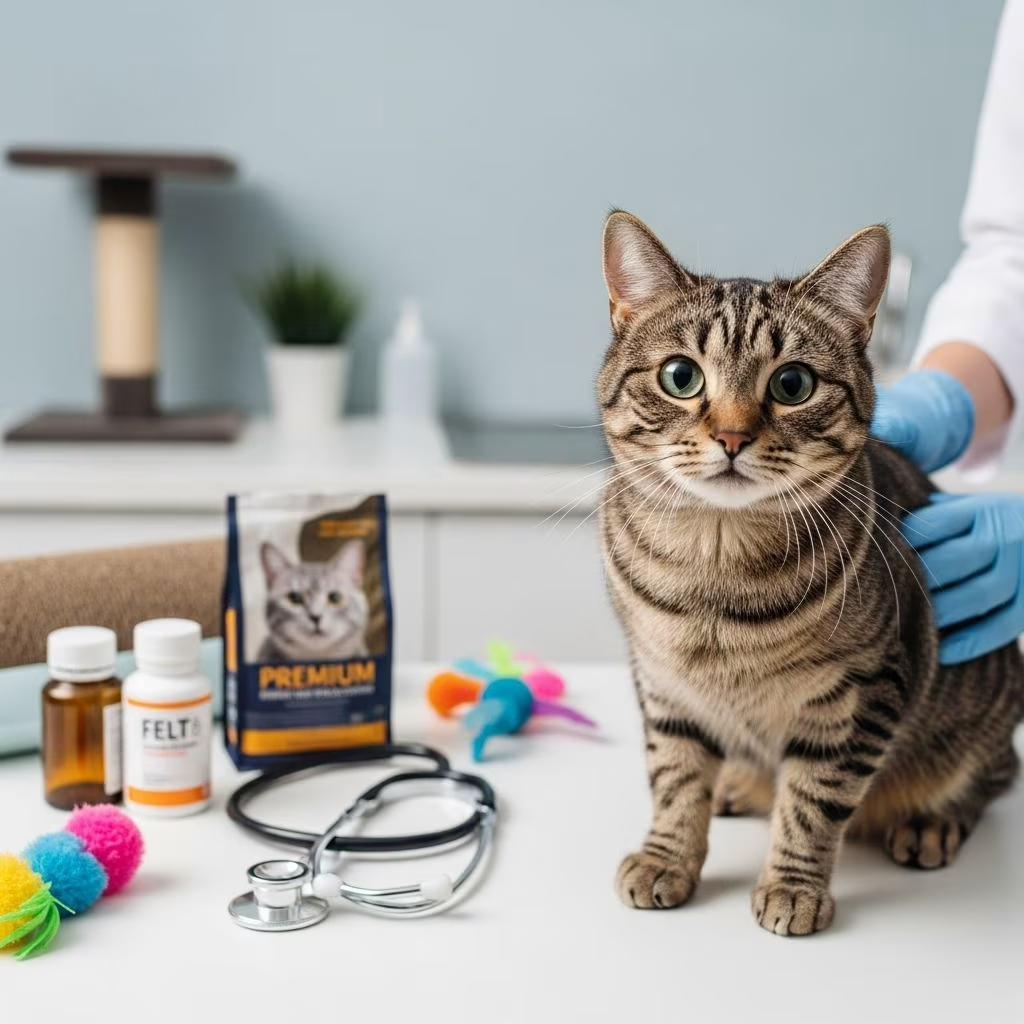
Preventive Health Care Guidelines for Cats
The adage “an ounce of prevention is worth a pound of cure” directly applies to feline health care. Avoiding illness is always preferable to treating it, and when illness cannot be avoided, early intervention is significantly more effective. Since cats age faster than humans, an annual veterinary exam with diagnostic testing is equivalent to a human visiting a doctor every four to five years. This rapid aging process makes preventive health care even more critical for maintaining your cat’s quality of life and longevity.
The American Animal Hospital Association (AAHA) and the American Veterinary Medical Association (AVMA), in consultation with specialty groups including the American Heartworm Society, Feline Veterinary Medical Association (FelineVMA), and the Companion Animal Parasite Council, have developed comprehensive Feline Preventive Healthcare Guidelines (FPHG). These evidence-based guidelines provide veterinarians and cat owners with a standardized approach to feline wellness, helping cats live longer and healthier lives.
Understanding Preventive Healthcare Guidelines
Preventive healthcare guidelines represent the most current scientific and clinical information available for enhancing your cat’s health and quality of life throughout various life stages. These guidelines translate evidence-based medicine into actionable best practices that empower veterinary healthcare teams and cat owners to work together in their cat’s best interest.
Unlike general information found online, these professional guidelines reflect research from multiple veterinary specialty organizations and are continuously updated as new information about feline health becomes available. They provide a coherent and straightforward plan that promotes prevention and early intervention, ultimately helping cats achieve longer, healthier lives.
Regular Veterinary Examinations
Professional veterinary care forms the foundation of effective preventive healthcare. The guidelines recommend that all cats receive a complete veterinary examination at least once a year, although many cats should be seen more frequently depending on their individual needs and health concerns.
During each veterinary visit, your veterinarian will conduct a thorough assessment that includes several key components:
History and Lifestyle Review
A detailed discussion of your cat’s home life provides your veterinarian with an overall picture of her health status. Your veterinarian will ask specific questions designed to identify changes that may occur so gradually you don’t notice them day-to-day. Important questions include:
- Does your cat have a good appetite and regular bowel movements?
- Does she strain to urinate or show signs of difficulty?
- Does she limp or move with difficulty?
- Is she slow to rise when lying down?
- Does she cough, sneeze, or seem short of breath?
- Does she appear itchy or have skin concerns?
- Has her water intake changed?
Your answers to these questions are recorded at each visit, allowing your veterinarian to identify important changes that might otherwise go unnoticed.
Physical Examination
Even healthy cats should be examined by a veterinarian at least once per year, with twice-yearly visits being preferable. If your cat is older or has pre-existing health problems, more frequent visits become necessary. A thorough physical examination can detect enlarged lymph nodes, skin tumors, heart murmurs or skipped heartbeats, and abdominal tumors.
The examination should include a dental assessment to evaluate oral health, a pain assessment to identify signs of discomfort or arthritis, and body condition scoring to ensure your cat maintains a healthy weight.
Diagnostic Testing for Early Detection
To detect organ malfunctions in their earliest stages, routine blood tests should be performed annually. These tests typically include a complete blood count, chemistry panel, and thyroid screen, along with a urinalysis. This early detection allows your veterinarian to identify potential problems before they become serious.
Your cat should also be screened for FIV (feline immunodeficiency virus) and feline leukemia virus at least once in her lifetime. If your cat has high exposure risk—such as outdoor access or contact with potentially infected cats—more frequent screening becomes necessary.
Cats with diagnosed health problems may require more frequent testing to monitor their condition and ensure their treatment remains effective.
Dental Care: Oral Health Matters
Oral health significantly impacts a cat’s overall health and longevity. Cats with clean mouths live longer, healthier lives. The bacteria involved in periodontal disease do not remain confined to the mouth; they invade the bloodstream and travel to major organs including the kidneys, liver, and heart, where they cause significant health issues.
Cats may need their teeth professionally cleaned every one to two years, though frequency can vary depending on several factors, including preventive care and routine maintenance at home. Dental radiographs (X-rays) help determine the severity of oral disease and guide treatment decisions.
Regular dental assessments and professional treatments keep your cat’s oral health in top condition, ultimately supporting overall wellness and disease prevention.
Parasite Prevention Protocol
Parasites pose significant health risks to cats, and prevention is far more effective than treatment. Your veterinarian will recommend medications to prevent heartworms, intestinal parasites, fleas, and ticks. These preventive medications are tailored to your specific cat based on several factors:
- Your cat’s current health status
- Access to outdoor environments
- Geographic location and associated parasite risks
- Lifestyle and exposure risks
Consistent use of veterinarian-recommended parasite prevention protects your cat from diseases transmitted through parasites and prevents the discomfort and complications associated with parasite infestations.
Vaccinations: Core and Non-Core Options
Vaccines represent a critical component of preventive health care, protecting cats from potentially deadly infectious diseases. Vaccines are divided into two categories:
Core Vaccines
All stable, healthy cats should be immunized against:
- Rabies
- Feline panleukopenia virus
- Feline herpesvirus 1
- Calicivirus (typically administered as a combined FVRCP vaccination)
Non-Core (Optional) Vaccines
Cats at risk of exposure, and kittens during their first year of life, should also be vaccinated for feline leukemia virus. Your veterinarian will assess your cat’s individual risk factors and recommend appropriate non-core vaccines.
Weight Management and Body Condition
Research consistently demonstrates that leaner cats live longer and have fewer health problems throughout their lives. During each veterinary visit, your veterinarian will assign a body condition score to your cat and provide dietary and exercise recommendations to help your cat achieve or maintain a healthy body condition score.
Proper weight management prevents numerous health conditions associated with obesity and contributes significantly to your cat’s overall longevity and quality of life.
Spaying and Neutering Benefits
Spaying or neutering offers numerous health and behavioral benefits beyond preventing unwanted litters. These procedures help prevent infections and certain types of cancer. Your veterinarian will discuss the specific benefits and appropriate timing of surgery for your individual cat, considering her age, health status, and lifestyle factors.
Understanding Feline Behavior and Illness
Cats possess innate survival instincts that allow them to hide pain and illness exceptionally well, as outward signs of vulnerability could attract predators. Since a veterinarian cannot simply ask your cat how she is feeling, they must rely on other diagnostic methods.
Thorough physical examinations and disease screening tests, including blood work and urinalysis, allow your veterinarian to determine if your cat is at risk of developing preventable conditions or to diagnose and treat existing conditions in their earliest, most manageable stages.
Why Preventive Care Differs by Life Stage
Each veterinary visit will be different for several important reasons. Medical knowledge and understanding of disease prevalence continuously expands, and the Feline Preventive Healthcare Guidelines are designed to be modified and updated as newer information becomes available.
Additionally, veterinarians understand that as cats age, their needs change and their risk for various diseases increases. Kittens have distinctly different preventive health care needs than young adult cats, and senior cats have their own unique requirements. Preventive care protocols should be adjusted accordingly to address life-stage-specific health concerns.
Benefits of Following Preventive Guidelines
Preventive care provides well-established and well-accepted benefits in veterinary medicine, much like in human medicine and dentistry. Now that cats are living longer, they are developing age-related illnesses and issues including osteoarthritis, kidney disease, diabetes, hyperthyroidism, and cancer.
Your veterinary healthcare team plays an essential role in maintaining your cat’s health and wellness. Part of their goal is helping you understand the importance of preventing diseases or catching them early when they remain more manageable. Following evidence-based preventive guidelines helps cats live longer, healthier, and happier lives.
Creating Your Cat’s Personalized Prevention Plan
While these guidelines provide a solid foundation, your veterinarian will create a personalized prevention plan based on your cat’s individual needs. Factors considered in developing this plan include:
- Your cat’s age and life stage
- Current health status and any pre-existing conditions
- Lifestyle and environmental exposure risks
- Family history and breed predispositions
- Geographic location and associated health risks
Regular communication with your veterinary team ensures your cat receives appropriate preventive care tailored to her specific circumstances.
Frequently Asked Questions
Q: How often should my cat visit the veterinarian?
A: All cats should receive a complete veterinary examination at least once per year. Cats aged 7 years or older, cats with pre-existing health conditions, and cats with specific health concerns should visit their veterinarian twice yearly for optimal preventive care.
Q: What vaccines does my cat really need?
A: Core vaccines recommended for all healthy cats include rabies, feline panleukopenia, feline herpesvirus 1, and calicivirus (FVRCP). Non-core vaccines, such as feline leukemia, may be recommended based on your cat’s lifestyle and exposure risks. Your veterinarian will recommend the most appropriate vaccination protocol for your cat.
Q: How can I tell if my cat is in pain or ill?
A: Cats hide illness and pain very effectively due to survival instincts. Behavioral changes, changes in eating or bathroom habits, lethargy, limping, difficulty rising, or changes in water intake may indicate problems. Regular veterinary examinations and screening tests help detect issues early before visible symptoms appear.
Q: Why is dental care important for cats?
A: Dental disease causes bacteria to invade the bloodstream and damage vital organs like the kidneys, liver, and heart. Cats with clean mouths live longer, healthier lives. Professional dental cleanings every one to two years, combined with home care, maintain optimal oral health.
Q: What parasite prevention does my indoor cat need?
A: Even indoor cats can be exposed to parasites through contaminated food, water, or contact with infected animals. Your veterinarian will recommend appropriate parasite prevention based on your cat’s lifestyle, health status, and geographic location.
Q: How does weight affect my cat’s health?
A: Research shows leaner cats live longer and experience fewer health problems. Obesity increases the risk of diabetes, arthritis, and other serious conditions. Your veterinarian will assign a body condition score and provide dietary and exercise recommendations to help your cat maintain a healthy weight.
Q: When should my kitten start preventive care?
A: Kittens should begin preventive care immediately, including initial vaccinations, parasite prevention, and wellness examinations. Your veterinarian will establish a vaccination schedule and preventive care protocol appropriate for your kitten’s age.
References
- Preventive Health Care Guidelines for Cats — American Animal Hospital Association (AAHA) and Feline Veterinary Medical Association (FelineVMA). Updated 2024. https://vcahospitals.com/know-your-pet/preventive-health-care-guidelines-for-cats
- Why Preventive Health Care is Important for Cats — VCA Animal Hospitals. 2024. https://vcahospitals.com/know-your-pet/why-preventive-health-care-is-important-for-cats
- Preventive Care Services — VCA Animal Hospitals. 2024. https://vcahospitals.com/market-street/services/preventive-care
- Senior Cat Care – Special Considerations — VCA Canada. 2024. https://vcacanada.com/know-your-pet/cat-care
- Feline Infectious Diseases — American Veterinary Medical Association (AVMA). Accessed 2025. https://www.avma.org



