

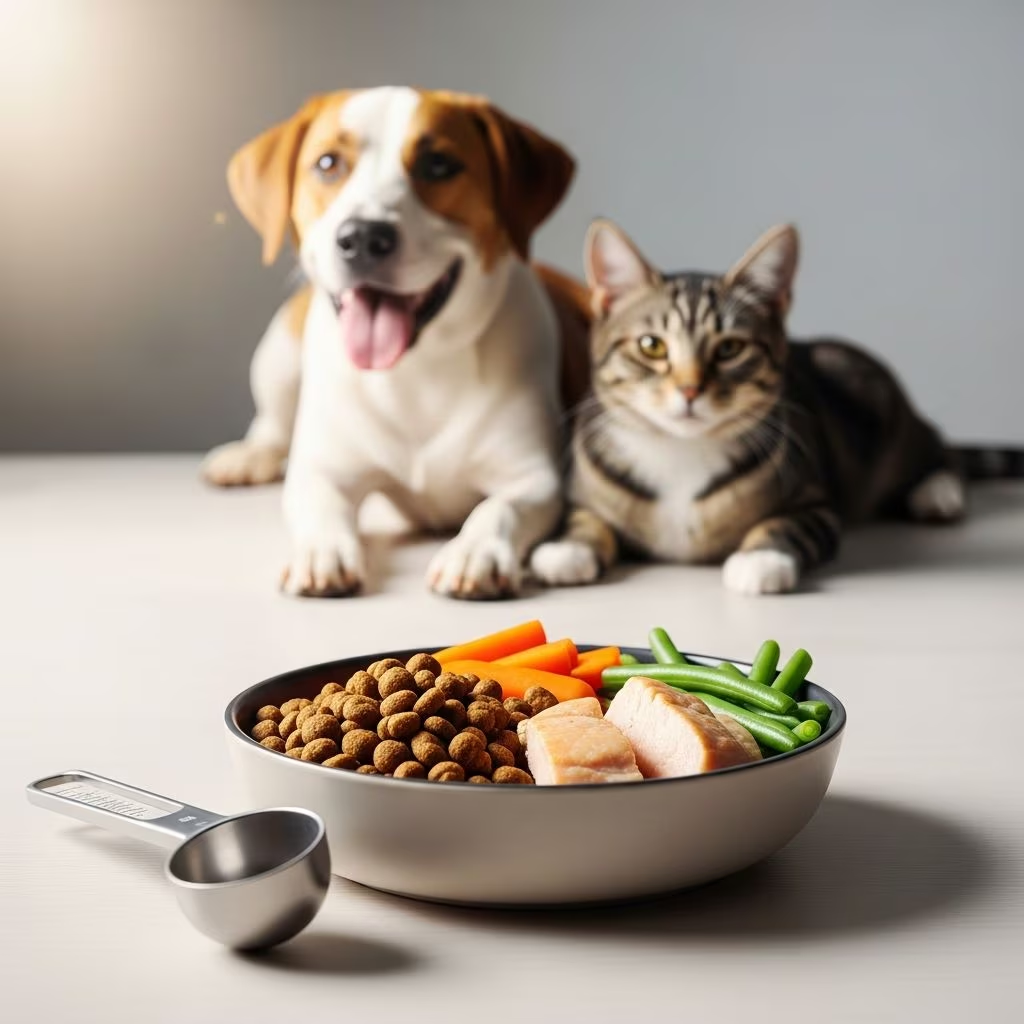
Overeating in pets leads to obesity, affecting more than half of dogs and cats in many regions, increasing risks for diabetes, joint issues, and reduced lifespan. Implementing structured feeding, activity boosts, and mindful treat choices can reverse this trend effectively.
Understanding Why Pets Overeat
Pets often consume excess calories due to constant food access, boredom, or learned begging behaviors. Free-feeding, where bowls remain full all day, encourages grazing rather than hunger-driven meals, mimicking an unlimited buffet that promotes weight gain.
Breed predispositions play a role; some dogs and cats have slower metabolisms or genetic tendencies toward fat storage. Emotional factors, like seeking attention through begging, compound the issue as owners inadvertently reinforce these habits with extra portions.
- Boredom eating: Inactive indoor pets snack out of habit, not need.
- Begging cycles: Pets train owners to provide more food for vocal demands or sad eyes.
- Palatability traps: Highly tasty commercial foods drive gluttonous intake beyond nutritional requirements.
Health Consequences of Excess Weight in Pets
Obesity shortens pet lifespans by years and heightens disease risks. Overweight dogs face arthritis, heart disease, and cruciate ligament tears, while obese cats develop urinary issues and type 2 diabetes.
| Condition | Dogs | Cats |
|---|---|---|
| Joint Problems | High risk of hip dysplasia | Arthritis in hind legs |
| Metabolic Diseases | Diabetes, hypothyroidism | Hepatic lipidosis |
| Respiratory Issues | Shortened airways | Exercise intolerance |
| Cancer Risk | Increased mammary tumors | Lymphoma prevalence |
These complications strain pet mobility and quality of life, often requiring costly interventions. Early prevention through controlled intake averts such outcomes.
Establishing Effective Feeding Routines
Switch to meal feeding with precise portions tailored to your pet’s age, size, and activity level. Use a kitchen scale or measuring cup to dispense exact amounts, dividing daily calories into 2-4 scheduled meals.
Avoid gravity feeders that allow endless access; opt for programmable automatic dispensers that release measured kibble at set intervals. This curbs scavenging and fosters routine.
- Calculate needs: Base on ideal body weight, not current, using vet formulas (e.g., 25-30 kcal per pound daily for maintenance).
- Morning and evening meals: Prevent overnight hunger while limiting daytime nibbling.
- Transition slowly: Mix new methods with old over 7-10 days to ease adaptation.
Leveraging Technology for Portion Precision
Automatic feeders revolutionize overeating prevention by enforcing discipline. Models with timers dispense small, frequent meals ideal for grazers like cats, reducing beg-induced extras.
Features to seek include app connectivity for remote adjustments, portion customization per meal, and voice recordings to call pets. Track consumption via built-in logs to fine-tune based on weight progress.
For multi-pet homes, compartmentalized units prevent stealing; program varying amounts for each animal’s profile. Maintenance involves weekly cleaning to avoid spoilage.
Incorporating Exercise into Daily Life
Pair feeding controls with 30+ minutes of daily activity to burn calories and build muscle. Walks, fetch, or puzzle toys engage both mind and body, curbing food fixation.
Start slow for overweight pets to avoid injury: 10-minute sessions building to longer durations. Vary routines—swimming for joint relief, agility for endurance—to sustain interest.
- Dogs: Leash hikes, treadmill trots, or herding games.
- Cats: Laser chasers, vertical climbers, or treat-dispensing wheels.
- Indoor options: Hide-and-seek with toys or scent trails.
Smart Choices for Treats and Snacks
Treats should cap at 10% of daily calories to avoid derailing diets. Swap fatty biscuits for veggies like green beans, carrots, or cucumber slices—low-cal, hydrating fillers that satisfy crunch cravings.
“Dogs don’t do division,” meaning they sum all handouts without regard to totals; log every morsel. Use kibble from main meals as rewards, or dilute treats by mixing with air-popped popcorn.
| High-Cal Treat | Calories (per oz) | Healthy Swap | Calories (per oz) |
|---|---|---|---|
| Milk bone | 125 | Baby carrots | 12 |
| Cheese bits | 140 | Green beans | 8 |
| Pig ears | 200+ | Celery sticks | 6 |
Handling Begging and Behavioral Challenges
Begging stems from habit, not starvation; ignore pleas to extinguish the behavior. Redirect with play, pets, or brief walks—attention without food breaks the cycle.
For gluttons inhaling meals, use slow-feed bowls or scatter kibble to extend eating time, preventing bloat.[10] In multi-pet setups, feed separately and remove uneaten portions after 20 minutes.
- “Few kibbles trick”: Add 5-10 pieces post-meal if needed, counting toward totals.
- Pre-measure treats: Portion into daily bags for adherence.
- Consistency key: Family-wide rules prevent loopholes.
Nutritional Quality Over Quantity
Opt for foods with real proteins (chicken, fish) and veggies over filler carbs that spike hunger. High-fiber formulas enhance fullness; read labels for calorie density.
Vet-prescribed weight-loss kibble offers satiety with fewer calories. Hydration aids: Wet food or fountains encourage water intake, curbing false hunger.
Monitoring Progress and Vet Collaboration
Weigh pets biweekly; aim for 1-2% body weight loss weekly. Journal intake, output, and energy levels to spot trends.
Annual vet exams track BMI; professionals may suggest bloodwork or custom plans. Early detection of issues like hypothyroidism ensures targeted fixes.
Frequently Asked Questions (FAQs)
How do I know if my pet is overweight?
Feel ribs with minimal fat cover; view waistline from above. Vets use body condition scores (1-9 scale).
Can indoor cats avoid obesity?
Yes, via scheduled meals, interactive toys, and climbing structures to mimic hunting.
What if my pet refuses measured portions?
Gradual intro plus exercise boosts appetite regulation; consult vet for underlying causes.
Are automatic feeders worth it?
For busy owners, yes—they enforce control and adapt to needs seamlessly.
How long until weight loss shows?
Visible changes in 4-6 weeks with consistent 20% calorie cut and activity.
References
- Preventing Overeating and Obesity in Pets: How an Automatic Feeder Helps — PetLibro. 2023. https://petlibro.com/blogs/all/preventing-overeating-obesity-using-automatic-feeder
- Dog Weight Loss Information | Start Your Dog’s Healthy Journey — Association for Pet Obesity Prevention. 2024. https://www.petobesityprevention.org/weight-loss-dogs
- Pet Obesity: Causes, Risks, and Prevention — Dunedin Animal Medical Center. 2023. https://dunedinamc.com/general-pet-health/pet-obesity/
- Feeding a Canine Glutton — VCA Animal Hospitals. 2024. https://vcahospitals.com/know-your-pet/feeding-a-canine-glutton
- Pet Overfeeding: Hidden Health Risks Revealed — Riverbank Pet. 2023. https://www.riverbankpet.com/pet-overfeeding-risks-to-pet-health/
- Weight Management For Your Pet — Thrive Pet Healthcare. 2024. https://www.thrivepetcare.com/thrive-guide/weight-management-for-your-pet



