

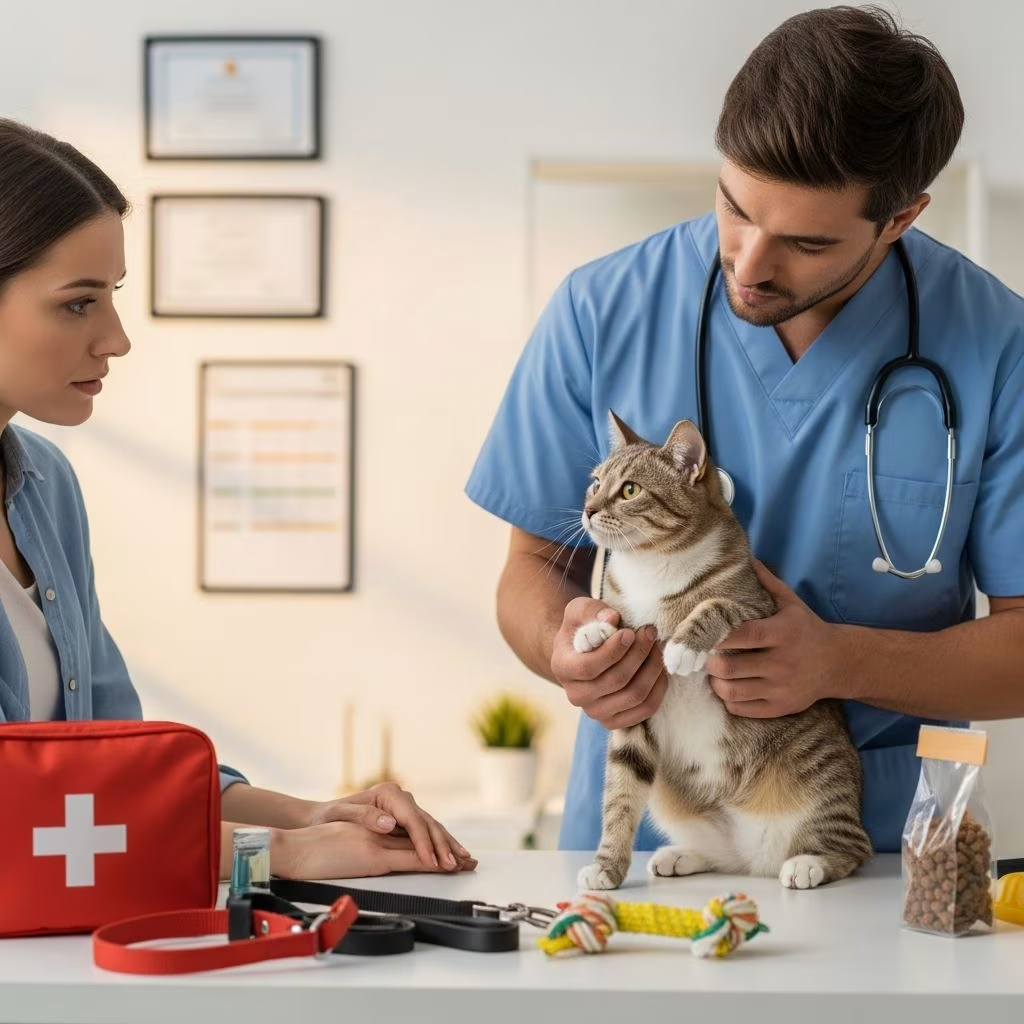
Pet emergencies often strike without warning, leaving owners stressed and facing substantial veterinary bills. However, many of these urgent situations are preventable through thoughtful planning, environmental modifications, and consistent health management. Understanding the common causes of emergency vet visits and taking proactive measures can significantly reduce the likelihood that your pet will need critical care.
Creating a Safe Home Environment
The foundation of emergency prevention begins within your home. Pets naturally explore their surroundings, and without proper precautions, ordinary household items can become serious hazards. One of the most critical dangers lurking in many homes is antifreeze. According to the Humane Society of the U.S., up to 10,000 cats and dogs die each year from exposure to ethylene glycol-containing antifreeze, often requiring emergency intervention. This substance can be fatal in remarkably small doses.
Beyond antifreeze, your home likely contains numerous toxic substances that require secure storage. Medications, household cleaners, and sharp objects should be stored in locked cabinets or high shelves where pets cannot access them. Similarly, toxic foods must be kept away from curious pets. Chocolate, grapes, raisins, onions, and xylitol-containing products pose serious health risks and frequently send pets to emergency clinics.
Trash management often gets overlooked, yet improperly secured garbage cans can expose pets to spoiled food, sharp objects, and toxic substances. Implementing pet-proof trash containment systems prevents pets from scavenging through discarded items that could cause intestinal blockages or poisoning.
Outdoor Safety and Supervision
Outdoor environments present unique risks that require careful management. Unsupervised outdoor time can result in injuries from traffic accidents, encounters with other animals, or ingestion of environmental toxins. Maintaining a securely fenced yard with no escape gaps is fundamental, but physical barriers alone are insufficient.
When outside, pets should remain leashed and under direct supervision at all times. This practice prevents them from chasing wildlife, initiating conflicts with unfamiliar dogs, or wandering into dangerous situations. During vehicle travel, pets must be properly restrained using a crate or seat belt rather than allowed to roam freely, which increases injury risk during sudden stops or accidents.
Heat-Related Emergency Prevention
Warm weather poses significant health challenges, particularly for certain dog breeds. Flat-faced (brachycephalic) dogs with small muzzles and narrow airways face substantially elevated heatstroke risk. During warm months, these breeds require restricted outdoor time and careful temperature management.
All pets benefit from these heat-prevention practices:
- Providing constant access to fresh, cool water
- Offering shaded areas during outdoor time
- Scheduling exercise during cooler morning or evening hours
- Limiting physical activity during peak heat
- Routinely assessing your pet’s comfort level
- Taking frequent breaks during outdoor activities
One particularly dangerous mistake is leaving pets unattended in parked vehicles. Interior temperatures can reach dangerous levels in as little as 5 to 10 minutes, even on moderately warm days. This situation frequently results in heatstroke requiring emergency veterinary treatment.
Nutritional Management and Dietary Vigilance
Proper nutrition forms the cornerstone of preventive pet health, but dietary mismanagement frequently triggers emergency situations. Introducing new foods too rapidly can cause gastrointestinal distress requiring urgent care. When changing your pet’s diet, gradual transitions over one to two weeks allow the digestive system to adapt without developing upset stomach or vomiting.
High-fat treats pose particular risks, as they can trigger pancreatitis—an inflammatory condition that requires emergency intervention. Similarly, introducing new treats should occur gradually rather than abruptly. Pet owners should carefully review ingredient lists and consult with veterinarians before introducing unfamiliar food products.
The Critical Role of Preventive Veterinary Care
Perhaps the most important emergency prevention strategy is establishing a consistent relationship with your veterinarian through regular wellness examinations. Annual or semi-annual check-ups provide opportunities to identify developing health issues before they reach emergency status. Conditions such as kidney disease, heart problems, and dental infections often progress silently until they cause severe distress.
During wellness visits, veterinarians perform comprehensive physical examinations and laboratory work that can reveal parasite infections, nutritional deficiencies, and early disease markers. This proactive approach catches problems when treatment is simpler, less expensive, and more effective than emergency intervention.
Preventive medications recommended by your veterinarian protect against common parasitic infections and diseases. Keeping vaccinations current according to your veterinarian’s recommendations further reduces the likelihood of your pet developing serious, preventable illnesses.
Recognizing Early Warning Signs
Developing awareness of subtle behavioral and physical changes enables early intervention before situations become emergencies. Pet owners should monitor for variations in appetite, energy levels, elimination habits, and behavior patterns. Changes such as excessive drinking, decreased activity, or appetite loss warrant veterinary evaluation even if they seem minor.
Understanding what constitutes a true emergency versus a routine concern helps owners respond appropriately. Difficulty breathing, severe bleeding, unconsciousness, uncontrolled seizures, and signs of severe pain require immediate emergency care. However, when uncertainty exists about the severity of your pet’s condition, contacting your veterinarian or emergency clinic provides clarity.
Preparing an Emergency Response Kit
Readiness for potential emergencies reduces response time and improves outcomes. A comprehensive pet first aid kit should include:
- Bandages, gauze, and adhesive tape for wound management
- Pet-safe antiseptic wipes for cleaning injuries
- A digital thermometer for monitoring body temperature
- Scissors for cutting bandaging materials
- A leash or muzzle for safe handling of injured pets
- Emergency medications your pet may need
- A first aid manual with emergency instructions
Beyond physical supplies, maintain organized documentation of your pet’s medical history, including past surgeries, known allergies, current medications, and vaccination records. Store this information in multiple accessible locations and include it in your emergency kit.
Post emergency contact numbers prominently in your home, including your regular veterinarian, local emergency veterinary clinic, and animal poison control (ASPCA: 1-888-426-4435). Identify the nearest emergency veterinary facility in advance so you can respond quickly if needed.
Environmental Monitoring and Seasonal Awareness
Different seasons present varying hazards. Winter months increase antifreeze exposure risk, making secure storage and cleanup particularly important. Warmer seasons bring tick and parasite exposure, requiring preventive treatments recommended by your veterinarian. Being aware of seasonal risks in your specific geographic region allows for targeted prevention strategies.
Regular yard inspections identify potential hazards such as toxic plants, gaps in fencing, standing water, or debris that could harm pets. Maintaining your yard as a safe space reduces outdoor-related emergencies.
Exercise, Enrichment, and Behavioral Prevention
Regular exercise and mental stimulation serve dual purposes: maintaining physical fitness and preventing accidents caused by boredom or excess energy. A well-exercised pet with adequate mental engagement is less likely to engage in destructive behavior that results in injuries.
Situational awareness—understanding how to avoid placing your pet in situations where they might need emergency first aid—represents one of the most fundamental prevention principles. This perspective shift from reactive emergency response to proactive avoidance transforms pet safety outcomes.
When First Aid Becomes Necessary
Despite preventive efforts, some situations may require immediate first aid before reaching professional veterinary care. If your pet requires any first aid administration, follow-up veterinary evaluation remains essential, even for seemingly minor injuries. Basic first aid principles include assessing your pet’s condition, stopping active bleeding with firm pressure using clean cloth or gauze, and minimizing movement if spinal trauma is suspected.
During emergencies, keeping your pet calm, warm, and as quiet as possible helps prevent shock. If your pet is unconscious, maintain their head level with their body during transport.
Building Your Emergency Prevention Strategy
Effective emergency prevention requires a multifaceted approach combining environmental safety, consistent preventive care, nutritional management, and owner preparedness. By implementing these strategies, pet owners significantly reduce the likelihood of emergency situations while promoting longer, healthier lives for their companions. The investment in prevention—through secure home environments, regular veterinary visits, proper nutrition, and emergency preparedness—saves both the emotional distress and financial burden of pet emergencies.
References
- 3 Tips for Keeping Your Pet Safe from a Medical Emergency — Eagan Animal Hospital of Crystal Falls. https://www.eahofcrystalfalls.com/3-tips-for-keeping-your-pet-safe-from-a-medical-emergency
- 9 Simple Strategies for Preventing Pet Emergencies — Alpine Animal Hospital. https://alpineanimal.net/9-simple-strategies-for-preventing-pet-emergencies/
- Pet First Aid Tips Before Visiting the Emergency Vet — Summit Veterinary Care. 2025-08-01. https://summitvetcareal.com/2025/08/01/what-first-aid-steps-should-i-take-before-reaching-the-emergency-vet/
- How Do I Prevent Pet Emergencies? — BluePearl Pet Hospital. https://bluepearlvet.com/pet-blog/prevent-pet-emergencies/
- Pet First Aid Essentials for Emergency Prevention — Ready-Vets. https://www.ready-vets.com/blog/pet-first-aid-essentials-for-emergency-prevention
- How to Handle Pet Emergencies — Orange County Emergency Veterinary Hospital. https://orangecountyemergencyvet.com/how-to-handle-pet-emergencies/
- Preventing Pet Emergencies: Advice from a Critical Care Veterinarian — University of Wisconsin School of Veterinary Medicine. https://www.vetmed.wisc.edu/preventing-pet-emergencies-veterinarian/
- First Aid Tips for Pet Owners — American Veterinary Medical Association. https://www.avma.org/resources-tools/pet-owners/emergencycare/first-aid-tips-pet-owners



