

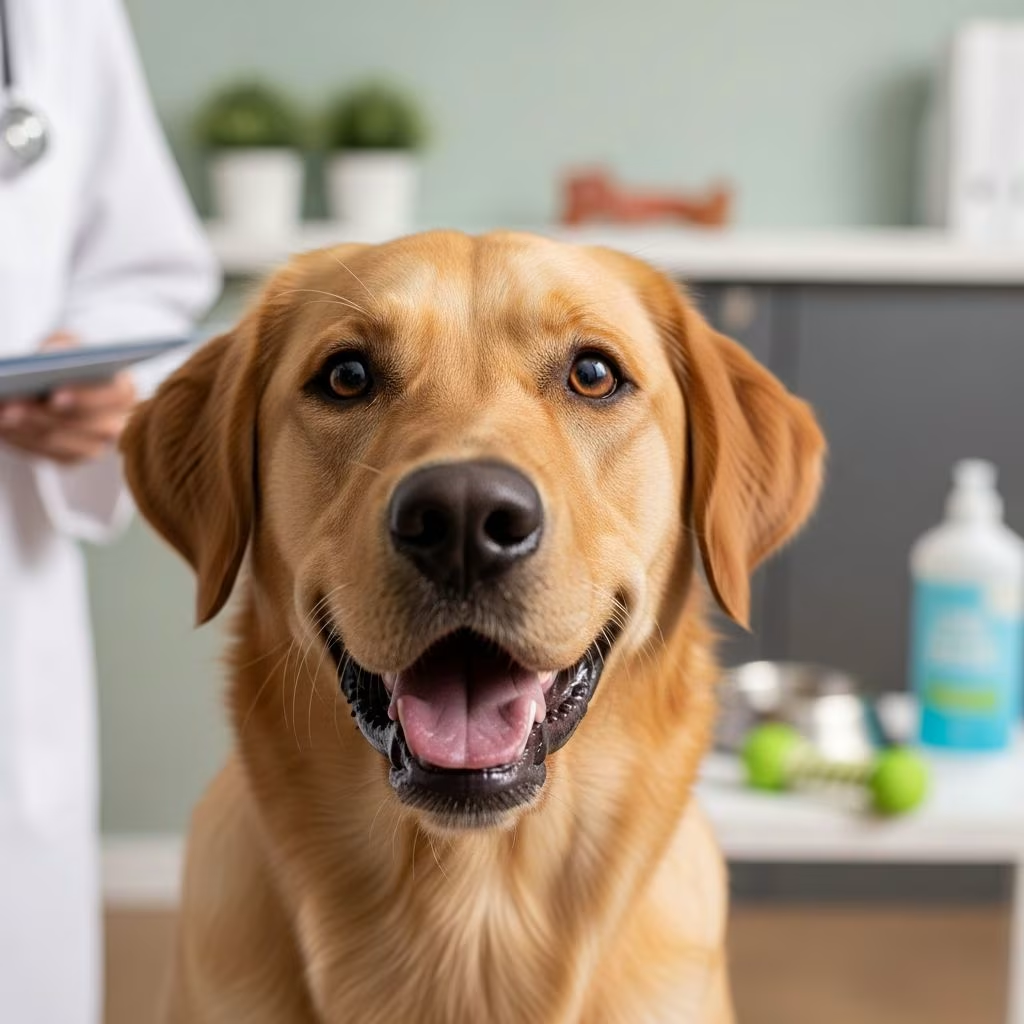
Kennel cough, also known as canine infectious tracheobronchitis, is a highly contagious respiratory condition affecting dogs worldwide. Caused by a combination of bacteria like Bordetella bronchiseptica and viruses such as canine parainfluenza, it spreads rapidly in places where dogs congregate, leading to a persistent, honking cough that can disrupt daily life. While most cases resolve without severe complications, prevention remains the cornerstone of protecting your pet, especially for those frequenting boarding facilities, dog parks, or grooming salons.
Understanding the Nature of Kennel Cough
This illness mimics a bad cold in humans, irritating the dog’s trachea and bronchi. Symptoms typically emerge 5-10 days post-exposure, including a dry, forceful cough often described as sounding like a goose honk, accompanied by sneezing, nasal discharge, and lethargy. In healthy adult dogs, it usually self-limits within 1-3 weeks, but puppies, seniors, or immunocompromised animals face risks of pneumonia or prolonged recovery.
Transmission occurs via airborne droplets from coughing dogs or contact with contaminated surfaces like shared bowls, toys, or bedding. High-density environments amplify spread, making vigilance essential for multi-dog households or social pets.
Vaccination: Your First Line of Defense
Vaccination significantly reduces infection risk and severity, though no single shot offers 100% immunity due to the multi-pathogen nature of the disease. Core vaccines targeting distemper, parainfluenza, and canine adenovirus type 2 (CAV-2) provide foundational protection, often combined in multi-valent formulations.
The key Bordetella vaccine comes in three administration types:
- Intranasal spray: Rapid onset (protection within 48-72 hours), ideal for imminent exposure like boarding.
- Oral drop: Non-invasive, targets Bordetella specifically, suitable for home use.
- Injectable: Builds longer-lasting immunity (up to 12 months) but requires 2-4 weeks for full effect.
Puppies start vaccination series at 6-8 weeks, with boosters every 3-4 weeks until 14-16 weeks, followed by annual or semi-annual revaccination for at-risk dogs. Facilities often mandate Bordetella proof, so plan ahead. Even vaccinated dogs may cough mildly, but symptoms are shorter and less intense.
Hygiene and Sanitation Practices
Beyond vaccines, rigorous hygiene curbs pathogen survival. Disinfect living areas daily with pet-safe cleaners effective against enveloped viruses and bacteria. Focus on high-touch items:
- Food and water bowls: Wash separately for each dog, rinse thoroughly.
- Bedding and toys: Launder in hot water, air-dry in sunlight.
- Floors and runs: Use bleach solutions (1:32 dilution) or veterinary disinfectants.
Avoid irritants like smoke, dust, strong scents, or chemical cleaners that inflame airways. In kennels, install wash-down stations, drains, and dedicated cleaning tools to streamline protocols.
Environmental Controls for Optimal Air Quality
Poor ventilation fosters pathogen buildup. Enhance airflow with fans, open windows, or HVAC systems filtering dust and odors. Cool-mist humidifiers maintain 40-60% humidity, soothing respiratory tracts and loosening mucus without promoting bacterial growth.
For boarding or daycare, select facilities with:
| Feature | Benefit |
|---|---|
| Individual runs | Minimizes dog-to-dog contact |
| HEPA air filters | Removes airborne particles |
| Strict intake screening | Quarantines symptomatic arrivals |
| Non-shared amenities | Prevents fomite transmission |
These measures, combined with vaccination checks, create low-risk zones.
Recognizing Early Symptoms and Taking Action
Early detection prevents outbreaks. Watch for:
- Honking cough triggered by excitement or pressure on the neck.
- Clear nasal discharge progressing to thick or green.
- Reduced appetite, fever, or eye gunk.
If symptoms appear post-socialization, isolate immediately for 2 weeks post-cough resolution. Consult a vet for diagnostics like auscultation, X-rays, or PCR swabs if pneumonia is suspected. Mild cases need rest, hydration (offer low-sodium broth), and harnesses over collars.
Home Care Strategies During Infection
Support recovery with:
- Rest: Leash walks only, no playdates.
- Hydration: Fresh water always available; steam from showers eases cough.
- Comfort: Soft foods, elevated bowls to reduce coughing while eating.
- Monitoring: Track breathing rate; seek emergency care for labored breaths or blue gums.
Vets may prescribe cough suppressants, antibiotics for secondary infections, or anti-inflammatories.
Lifestyle Adjustments for High-Risk Dogs
Social butterflies in daycare or shows need tailored plans:
- Boosters every 6 months during peak seasons.
- Skip group events during local outbreaks.
- Boost immunity via balanced diet, exercise, and wellness exams.
Multi-dog homes benefit from staggered playtimes and zoned living areas.
FAQs on Kennel Cough Prevention
Q: Is kennel cough fatal?
A: Rarely in healthy dogs; complications arise in vulnerable pups or elders.
Q: Can vaccinated dogs still spread it?
A: Yes, but milder cases reduce transmission.
Q: How long is a dog contagious?
A: Up to 2 weeks after cough ends; isolate accordingly.
Q: What’s the best vaccine type?
A: Consult your vet; intranasal for quick protection.
Q: Are natural remedies effective?
A: Supportive only; vaccines and hygiene are proven.
Building a Year-Round Prevention Plan
Integrate vaccines, hygiene, and awareness into routines. Schedule annual vet visits for tailored advice, track local outbreaks via apps or boards, and educate family on signs. For breeders or kennel operators, invest in infrastructure like ventilation and quarantine rooms.
Prioritizing these steps ensures your dog enjoys social adventures without respiratory setbacks. Healthy dogs mean happier homes.
References
- Protecting Your Dog from Kennel Cough: Prevention Tips for Owners — Companion Veterinary Clinic. 2023. https://companionvetclinic.com/protecting-your-dog-from-kennel-cough-prevention-tips-for-owners/
- How To Prevent Kennel Cough | Everything You Need To Know — The Dog Kennel Collection. 2023. https://www.thedogkennelcollection.com/blog/how-to-prevent-kennel-cough/
- Kennel Cough in Dogs: Symptoms, Treatment and Prevention — VEG. 2024. https://www.veg.com/post/kennel-cough-in-dogs
- Kennel Cough in Dogs: Prevention and Treatment — MT Pet Vet. 2024. https://mtpetvet.com/kennel-cough-in-dogs-prevention-and-treatment/
- Kennel Cough – Respiratory System – Merck Veterinary Manual — Merck & Co., Inc. 2023-10-17. https://www.merckvetmanual.com/respiratory-system/respiratory-diseases-of-small-animals/kennel-cough
- Veterinary Guide to Canine Kennel Cough 2025 — Ask A Vet. 2025. https://askavet.com/blogs/news/veterinary-guide-to-canine-kennel-cough-2025-%F0%9F%90%B6



