

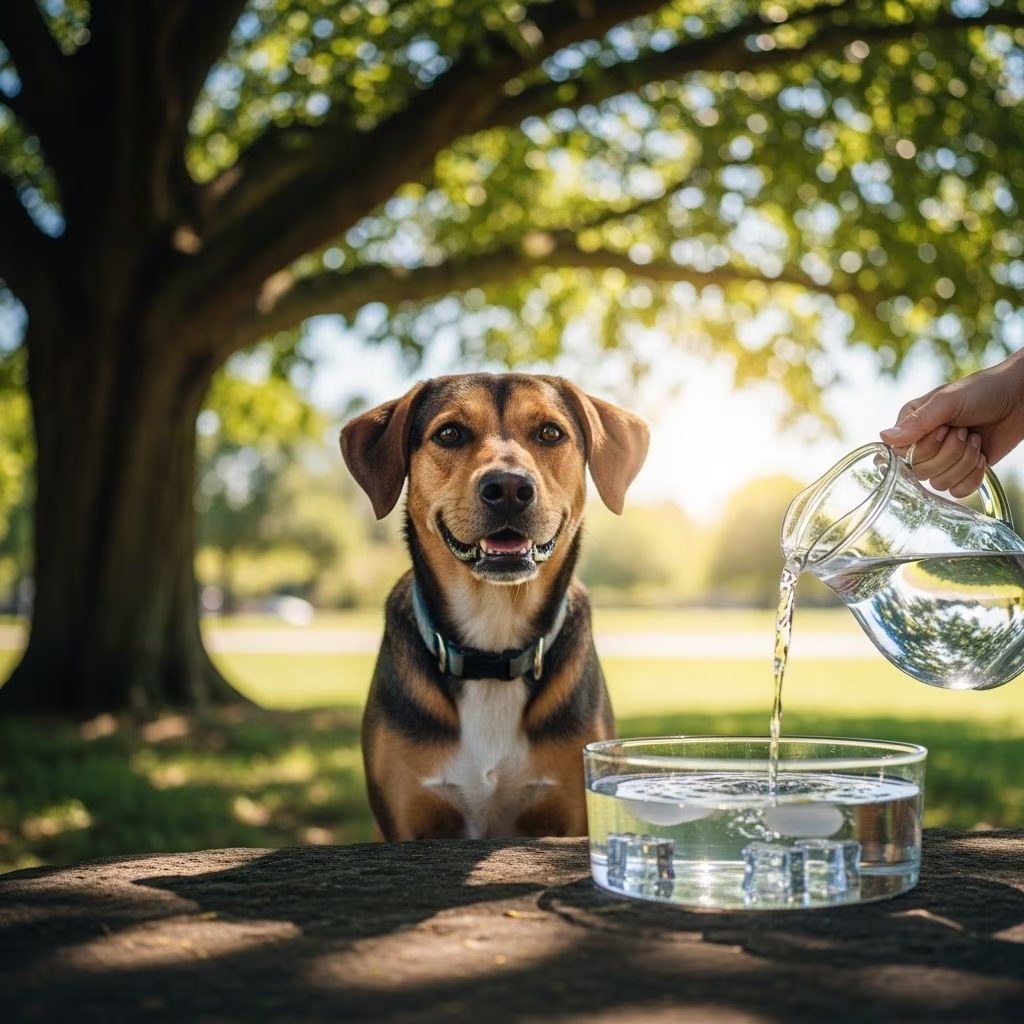
Dogs rely primarily on panting to regulate body temperature, making them vulnerable to overheating in warm environments. Heatstroke occurs when a dog’s core temperature exceeds 104°F (40°C), potentially leading to organ failure and death if not addressed promptly.
Understanding Canine Thermoregulation Challenges
Unlike humans, dogs have limited sweat glands located only in their paws, which are insufficient for effective cooling during heat exposure. Panting increases airflow over the tongue and respiratory tract to evaporate moisture and dissipate heat, but high humidity impairs this process. Brachycephalic breeds like Bulldogs and Pugs face heightened risks due to narrowed airways that hinder efficient panting.
Environmental factors such as direct sunlight, poor ventilation, and confinement in vehicles accelerate temperature rises. Even moderate exercise in ambient temperatures above 80°F (27°C) can trigger issues, especially for puppies, seniors, or dogs with conditions like heart disease or obesity.
Progressive Stages of Heat-Related Distress
Overheating in dogs unfolds in distinct phases, each demanding swift intervention to prevent escalation.
- Heat Stress (Initial Stage): Characterized by rapid panting, increased thirst, and mild lethargy as the body attempts to cope.
- Heat Exhaustion: Progresses to weakness, fatigue, vomiting, diarrhea, and slightly elevated temperatures around 103°F (39.4°C), often with dehydration.
- Heatstroke (Critical Stage): Temperatures surpass 104°F (40°C), causing disorientation, seizures, collapse, bloody diarrhea, and multi-organ damage including pulmonary edema and coagulopathies.
A normal canine temperature ranges from 100.5°F to 102.5°F (38°C-39.2°C). Readings above 105°F (40.6°C) signal life-threatening hyperthermia.
Critical Warning Signs to Watch For
Early detection saves lives. Monitor for these indicators during hot weather or exertion:
| Stage | Symptoms | Body Temperature |
|---|---|---|
| Mild Overheating | Heavy panting, reluctance to move, mild fatigue | 102-104°F |
| Heat Exhaustion | Excessive drooling, vomiting, diarrhea, weakness | 104-105°F |
| Heatstroke | Seizures, collapse, bright red/dry gums, rapid pulse, confusion | >105°F |
Additional red flags include labored breathing, pale or red gums, thick saliva, and unresponsiveness. Flat-faced dogs, overweight pets, and those with respiratory issues like laryngeal paralysis show symptoms faster.
Immediate First Aid: Cool First, Transport Second
Act rapidly upon suspecting overheating. Prioritize cooling before travel to a vet.
- Relocate to Shade: Move the dog to a cool, shaded, or air-conditioned area immediately. Stop all activity.
- Apply Cool Water: Wet the body with cool (not ice-cold) water focusing on neck, armpits, groin, belly, and paws. Avoid the head to prevent aspiration.
- Enhance Evaporation: Use fans or fanning to promote airflow over wet fur. Offer small sips of cool water if conscious, but never force intake.
- Monitor Progress: Check temperature rectally if possible. Cease cooling once below 103°F (39.4°C) to avoid hypothermia.
Do not use ice packs, as they constrict blood vessels and trap heat internally. Transport to an emergency vet promptly, even if symptoms improve.
Professional Veterinary Interventions
Hospitalization is standard for confirmed heatstroke. Vets employ aggressive supportive therapies.
- IV fluids for hydration and internal cooling.
- Oxygen therapy for respiratory distress.
- Medications: Anti-emetics (e.g., Cerenia), gastroprotectants (e.g., sucralfidine), antibiotics, anti-seizure drugs (e.g., diazepam), and blood pressure support.
- Plasma transfusions for clotting issues and monitoring of vital signs, ECG, and bloodwork.
Severe cases may require intubation or anti-arrhythmics. Prognosis varies; early treatment boosts survival rates, but organ damage can lead to long-term complications or fatality.
High-Risk Dog Profiles
Not all dogs heat up equally. Vulnerable groups include:
- Brachycephalic breeds (Pugs, Boston Terriers, French Bulldogs).
- Puppies and seniors with immature or declining thermoregulation.
- Overweight or thick-coated dogs.
- Pets with heart disease, Cushing’s, hypothyroidism, or airway obstructions.
Exertional heatstroke can strike active dogs even in cooler weather, while classic cases stem from environmental exposure.
Seasonal and Year-Round Prevention Blueprint
Proactive measures minimize risks effectively.
Daily Habits
- Provide constant access to fresh, shaded water.
- Walk during cooler times: dawn or dusk.
- Use booties on hot pavement (above 85°F/29°C burns paws).
- Groom excess fur but never shave double-coated breeds.
Environmental Safeguards
- Avoid cars: Interiors can reach 120°F (49°C) in minutes.
- Ensure ample shade and ventilation in yards or during travel.
- Limit exercise in humidity over 70%.
Tools and Accessories
- Cooling mats, vests, or collars.
- Portable water bowls and fans for outings.
- Air-conditioned indoor time during peaks.
Acclimatize dogs gradually to warmer conditions and watch for subtle behavioral shifts like slowed pace.
FAQs: Common Questions on Dog Heatstroke
What temperature is dangerous for dogs?
Temperatures over 104°F (40°C) indicate heatstroke; seek help above 103°F (39.4°C)[10].
Can dogs get heatstroke in 70°F weather?
Yes, especially with exercise, humidity, or predisposing factors like obesity.
Is ice water safe for overheated dogs?
No; use cool water to prevent shock from vasoconstriction.
How long does recovery take after heatstroke?
Varies from days to weeks; some suffer lasting organ effects.
Are senior dogs more prone?
Yes, due to reduced cooling efficiency and comorbidities.
Long-Term Health Monitoring Post-Incident
Survivors require follow-ups for kidney, liver, and clotting function. Adjust exercise and watch for relapse triggers. Annual vet checks for at-risk dogs aid prevention.
By recognizing signs early, applying first aid correctly, and adopting preventive routines, pet owners can safeguard their dogs from this preventable killer.
References
- Heatstroke in Dogs: Signs, Treatment, and Prevention — PetMD. 2023. https://www.petmd.com/dog/conditions/systemic/heatstroke-dogs
- Heat Stroke in Dogs: Causes, Symptoms, and Treatment — VEG. 2024. https://www.veg.com/post/dog-heat-stroke
- Heat Stroke In Dogs – Signs, Symptoms & Treatment — Animal Emergency Service. 2023. https://animalemergencyservice.com.au/blog/heat-stroke-in-dogs/
- How to Recognise & Treat Heatstroke in Dogs — RSPCA. 2024. https://www.rspca.org.uk/adviceandwelfare/pets/dogs/health/heatstroke
- What To Do if Your Pet is Overheating — Small Door Veterinary. 2023. https://www.smalldoorvet.com/learning-center/what-to-do/pet-overheating



