

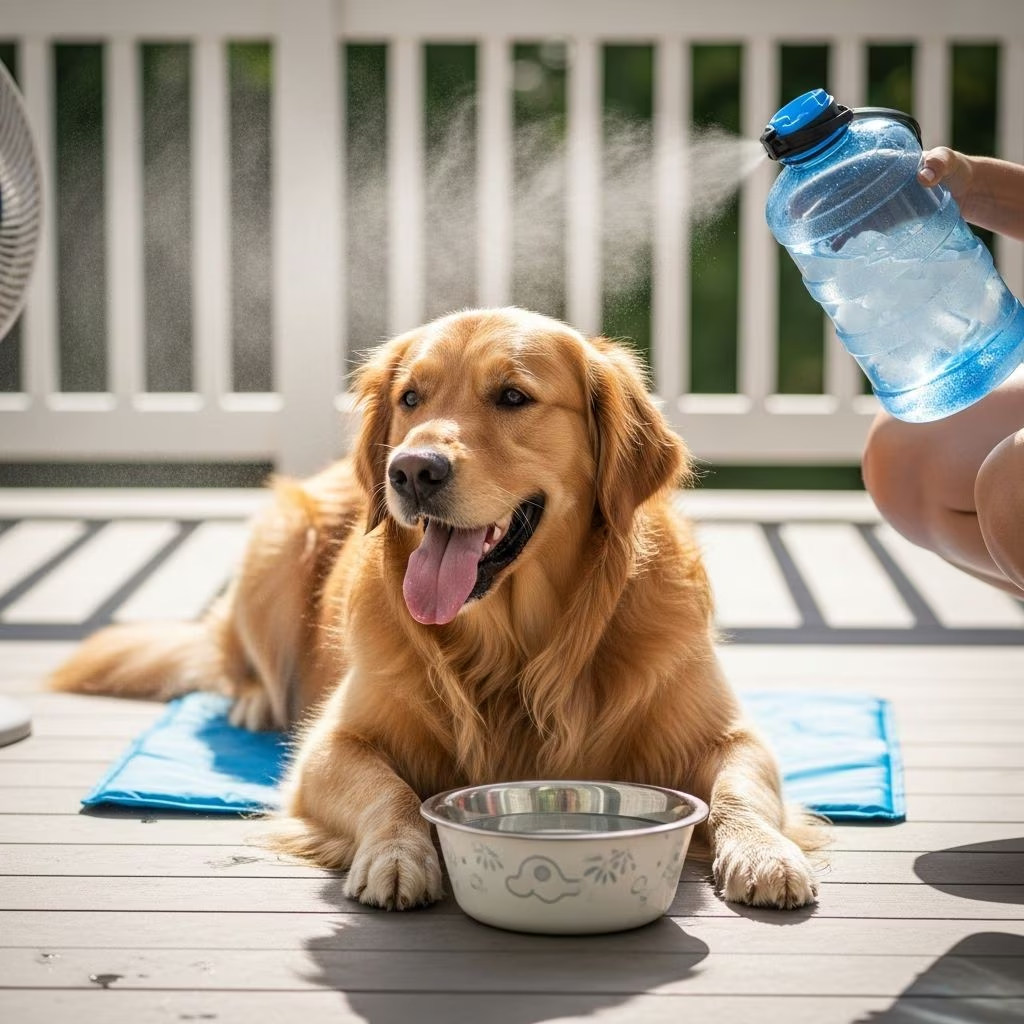
Heat stroke, also known as hyperthermia, is a life-threatening emergency for dogs where their body temperature rises dangerously above 104°F (40°C), potentially reaching 109°F (43°C) or higher. Dogs cool primarily through panting, which becomes ineffective in high heat and humidity, leading to rapid organ damage, clotting disorders, and death if untreated. Veterinary data shows survival rates improve dramatically—from 50% to 80%—when owners initiate cooling before hospital arrival.
What Is Heat Stroke in Dogs?
Unlike fever, which is regulated by the body, heat stroke results from environmental overheating overwhelming a dog’s cooling mechanisms. Normal canine body temperature ranges from 100-102.5°F (37.8-39.2°C). Above 103°F signals risk, 104°F requires action, and over 106°F demands immediate veterinary intervention. Heat stroke triggers systemic inflammation, disseminated intravascular coagulation (DIC), multi-organ failure including kidneys, liver, brain, and gut, with mortality rates of 19-50% even with treatment.
Progression occurs in stages: mild heat exhaustion (panting, lethargy) escalates to severe heat stroke (collapse, seizures). Factors like high humidity impair evaporative cooling from panting, making muggy days deadlier than dry heat.
Signs and Symptoms of Heat Stroke in Dogs
Early detection saves lives. Watch for these progressive signs:
- Initial/mild symptoms: Excessive, rapid panting; bright red gums/tongue; increased heart/respiratory rate; drooling; mild lethargy; weakness.
- Moderate symptoms: Vomiting; diarrhea (possibly bloody); disorientation; staggering; glazed eyes; weakness refusing to move.
- Severe/emergency symptoms: Collapse/unconsciousness; seizures; pale/blue gums; irregular heartbeat; bleeding disorders; coma. Temperatures over 106°F are critical.
Symptoms can appear suddenly, especially in cars or during exercise. brachycephalic breeds show signs earliest due to airway limitations.
First Aid: What to Do If Your Dog Has Heat Stroke
Act within minutes—every delay worsens prognosis. Do NOT:
- Use ice/cold water (causes vasoconstriction, trapping heat/shock).
- Apply alcohol rubs (toxic if licked).
- Drive with windows down (ineffective, dangerous).
Follow these steps:
- Move to cool, shaded/AC area immediately.
- Measure rectal temperature if possible.
- Wet coat with cool/tepid water (room temp, hose/baths ok but avoid face to prevent aspiration). Focus on head, ears, neck, armpits, groin, paws.
- Position fan/AC blowing over wet fur for evaporative cooling.
- Offer small sips of cool water if alert (no force).
- Drive to vet ER while continuing cooling/monitoring temp every 5 min. Stop active cooling at 103.5-104°F to avoid hypothermia.
Studies confirm pre-hospital cooling halves mortality. Transport safely—secure in crate if seizing.
Veterinary Treatment for Heat Stroke
Hospitalization is mandatory for monitoring organ function, clotting, and complications. Core treatments include:
- Cooling: Continue evaporative/convective methods until 103.5-104°F.
- IV fluids: Combat dehydration, shock, internal cooling; aggressive rates initially.
- Oxygen therapy: Via mask/flow-by for respiratory distress.
- Medications: Anti-emetics (Cerenia), gastroprotectants (famotidine/sucralfate), antibiotics (prevent sepsis), anti-seizure (diazepam), pain relief, anti-arrhythmics.
- Monitoring: Serial bloodwork (coagulation, kidneys/liver), ECG, blood pressure, urine output. Plasma transfusions for DIC.
- Supportive care: ICU for 24-72 hours; intubation if comatose.
Prognosis varies: mild cases recover in days; severe may have lasting damage. Recovered dogs remain higher risk.
Dogs at Highest Risk for Heat Stroke
| Risk Factor | Details |
|---|---|
| Breeds | Brachycephalic (Pugs, Bulldogs, Boston Terriers, Shih Tzus, Peke); thick-coated (Newfies, Huskies); giant breeds. |
| Health Issues | Obesity; heart/lung disease; laryngeal paralysis; airway obstructions. |
| Age/Lifestyle | Puppies/seniors; poor acclimation (<2 months heat exposure); muzzled dogs (limits panting). |
| Environmental | Cars (heat rises 40°F in 1 hour); high humidity; hot surfaces (pavement >140°F burns paws). |
Dark-coated dogs absorb more heat; working breeds overestimate endurance.
How to Prevent Heat Stroke in Dogs
Prevention is straightforward and 100% effective:
- Never leave dogs in cars—even 10 min at 70°F external reaches 100°F inside.
- Exercise only dawn/dusk; avoid hot pavement (test with hand: >5 sec uncomfortable = too hot).
- Provide constant shade, fresh cool water (add ice, multiple bowls, pupsicles).
- Acclimate gradually over 2 months to heat.
- Groom excess fur; use cooling mats/vests.
- Hot-day indoor games: puzzle toys, frozen Kongs, kiddie pools/sprinklers.
- Surgery for brachycephalic issues.
Recognize personal risk: if you feel hot, your dog likely suffers more.
Heat Stroke Myths Busted
- Myth: Wet towel/blanket cools. Fact: Traps heat; use loosely or not at all.
- Myth: Dogs handle heat fine. Fact: No sweat glands (only paws); panting fails in humidity.
- Myth: Shaved coat helps. Fact: Fur insulates; clipping worsens sunburn.
- Myth: Recovery means immunity. Fact: Prior episodes increase future risk.
Frequently Asked Questions (FAQs)
What temperature is dangerous for dogs?
Temperatures above 103°F are risky; 104°F+ requires cooling; 106°F+ is emergency. Ambient 80°F+ with humidity >70% is hazardous.
Can dogs get heat stroke walking in 80°F weather?
Yes—short walks on hot pavement, especially for at-risk breeds, can trigger it. Limit to cool times.
Is ice water safe for overheating dogs?
No—causes shock. Use cool/tepid water.
How long does heat stroke recovery take?
Mild: 24-48 hours; severe: days-weeks with ICU. Monitor for relapse.
Do all dogs cool the same way?
No—brachycephalics overheat fastest due to poor airflow.
References
- Heatstroke in Dogs — Today’s Veterinary Practice. 2023. https://todaysveterinarypractice.com/emergency-medicine-critical-care/todays-technician-heatstroke-in-dogs/
- Heat Stroke In Dogs – Signs, Symptoms & Treatment — Animal Emergency Service. 2024. https://animalemergencyservice.com.au/blog/heat-stroke-in-dogs/
- Heat Stroke in Dogs — VCA Animal Hospitals. 2024. https://vcahospitals.com/know-your-pet/heat-stroke-in-dogs
- Heatstroke in Dogs: Signs, Treatment, and Prevention — PetMD. 2025. https://www.petmd.com/dog/conditions/systemic/heatstroke-dogs
- Heatstroke in Dogs: Signs, Symptoms, Treatments — American Kennel Club. 2024. https://www.akc.org/expert-advice/health/heatstroke-in-dogs/
- Heatstroke: A medical emergency — Cornell University College of Veterinary Medicine. 2024. https://www.vet.cornell.edu/departments-centers-and-institutes/riney-canine-health-center/canine-health-information/heatstroke-medical-emergency



