

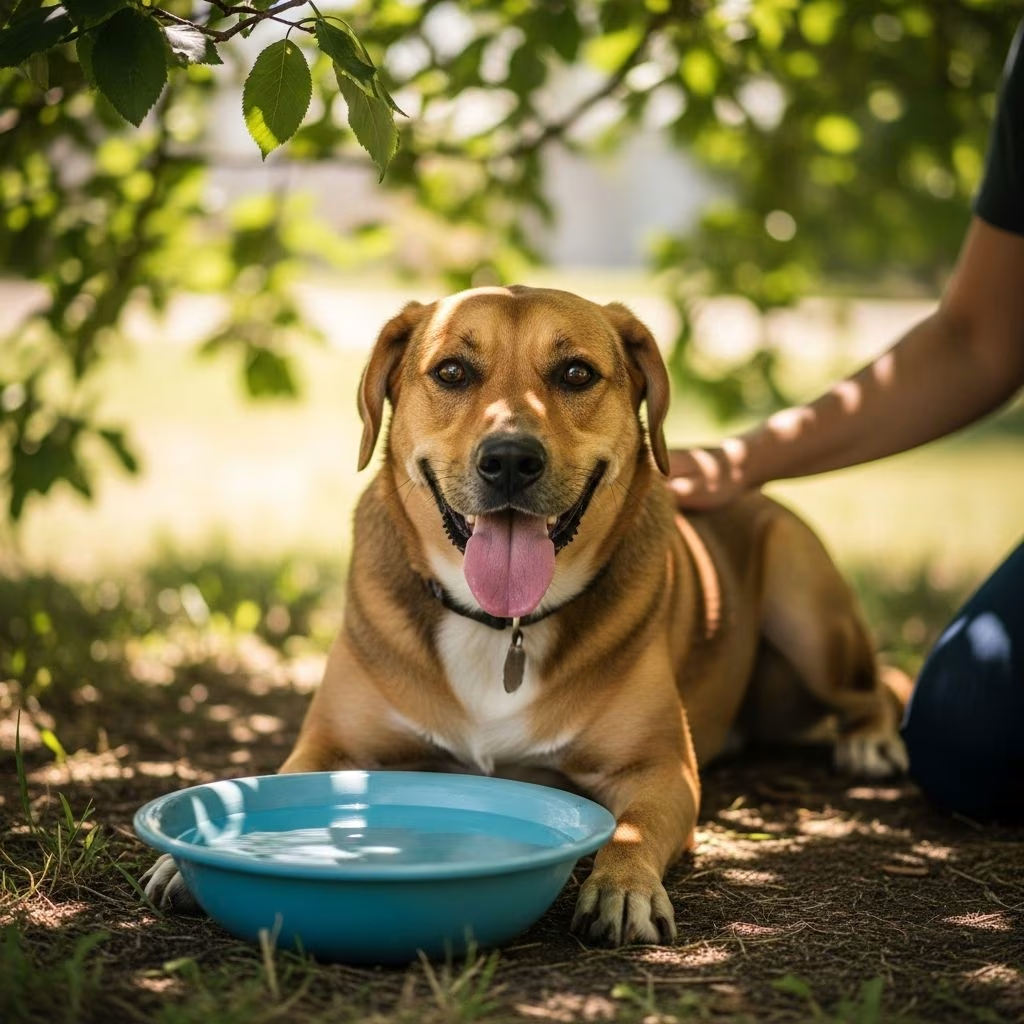
Heat stroke, also known as heatstroke, is a life-threatening condition where a dog’s body temperature rises dangerously high, often above 104°F (40°C), leading to organ damage or death if not addressed promptly. Dogs cool themselves primarily through panting, unlike humans who sweat, making them vulnerable during hot weather, high humidity, or confined spaces. Early recognition and action can improve survival rates from as low as 50% to over 80%.
What is Heat Stroke in Dogs?
Heat stroke occurs when a dog’s thermoregulation fails, causing hyperthermia. Normal canine body temperature ranges from 99.5°F to 102.5°F (37.5°C to 39.2°C). Above 103°F signals heat stress, 104°F indicates heat exhaustion, and over 105°F is full heat stroke, potentially causing multi-organ failure, clotting disorders, and brain damage.
Unlike heat exhaustion, which involves mild symptoms like excessive panting, heat stroke brings severe signs including collapse, seizures, and coma. Factors like high humidity impair evaporative cooling from panting, exacerbating the risk.
Recognizing the Signs of Heat Stroke
Acting fast hinges on spotting symptoms early. Progression happens rapidly, often within minutes.
- Early heat stress: Heavy panting, rapid breathing, increased heart rate, excessive drooling, bright red gums, lethargy, thirst.
- Moderate heat exhaustion: Weakness, dizziness, vomiting, diarrhea, disorientation.
- Severe heat stroke: Temperature over 104°F, collapse, seizures, unconsciousness, pale or blue gums, bloody diarrhea.
Mental status changes, like confusion or staggering, are critical red flags. Always check rectal temperature if possible; over 106°F demands immediate intervention.
First Aid: What to Do Immediately
If you suspect heat stroke, begin cooling en route to the vet—studies show pre-hospital cooling halves mortality rates (19% vs. 49%). Never delay professional care; home measures are temporary.
- Move to a cool, shaded, ventilated area away from heat sources.
- Apply cool (not ice-cold) water to the head, neck, armpits, belly, paws, and groin using a hose, sponge, or wet towels. Avoid covering the body fully to allow evaporation.
- Direct a fan or AC airflow over the wet dog for evaporative cooling.
- Offer small sips of cool water if conscious and swallowing; do not force.
- Monitor temperature every 5 minutes; stop active cooling at 103°F-104°F (39.7°C-40°C) to prevent hypothermia.
Do NOT use: Ice (causes vasoconstriction and shock), alcohol rubs (toxic), or cold baths (risk of hypothermia).
Veterinary Treatment for Heat Stroke
At the hospital, treatment prioritizes rapid, controlled cooling alongside supportive care. Vets monitor vitals continuously.
| Treatment Component | Purpose | Details |
|---|---|---|
| Active Cooling | Reduce temperature safely | Fan + tepid water until 103°F-104°F; discontinue to avoid hypothermia. |
| IV Fluids | Combat dehydration, support organs | Electrolyte-balanced solutions. |
| Medications | Manage symptoms | Anti-emetics (Cerenia), GI protectants (famotidine, sucralfate), antibiotics, anti-seizure (diazepam), anti-arrhythmics (lidocaine). |
| Oxygen Therapy | Improve respiration | Low-concentration oxygen if needed. |
| Monitoring | Track progress | Bloodwork, urinalysis, ECG, blood pressure, heart/respiratory rates. |
| Advanced Care | Severe cases | Plasma transfusions, mannitol for brain swelling. |
Hospitalization lasts 24-72 hours; full recovery may take days to weeks. Dogs surviving initial treatment have good prognoses if cooled early, but some face long-term issues like kidney damage.
Prevention Strategies for Heat Stroke
Prevention is straightforward and far more effective than treatment. Implement these year-round, especially in summer.
- Timing exercise: Walk, run, or play only early morning or late evening; avoid midday heat.
- Hydration and shade: Always provide fresh water and shaded areas outdoors. Consider kiddie pools or sprinklers.
- No cars: Never leave dogs in vehicles—even with windows cracked, interiors heat to lethal levels in minutes.
- Acclimation: Gradually expose to heat over 2 months; brachycephalic breeds (Pugs, Bulldogs) need extra caution.
- High-risk dogs: Overweight, elderly, puppies, heart/lung conditions, or thick-coated breeds are vulnerable—limit exposure.
- Indoor safety: Use AC, fans; avoid hot rooms.
For brachycephalic dogs or those with laryngeal paralysis, surgical corrections can reduce risk. High-energy dogs benefit from shorter, frequent cool-period sessions.
Risk Factors and Vulnerable Breeds
Certain dogs face higher risks:
- Breeds: brachycephalics (Bulldogs, Pugs, Boston Terriers), large breeds (Retrievers, Mastiffs).
- Conditions: Obesity, heart disease, respiratory issues.
- Environmental: High humidity >70%, temperatures >85°F (29°C).
- Behavioral: Overexertion chasing balls or herding in heat.
Post-heat stroke dogs are prone to recurrence, warranting stricter precautions.
Heat Stroke vs. Heat Exhaustion
| Aspect | Heat Exhaustion | Heat Stroke |
|---|---|---|
| Temperature | 103°F-104°F | >104°F, often >106°F |
| Symptoms | Panting, lethargy, thirst | Collapse, seizures, organ failure |
| Action | Rest, cool, hydrate | Emergency vet + cooling |
| Outcome | Usually resolves quickly | Potentially fatal without treatment |
Heat exhaustion precedes stroke; intervene early to halt progression.
Frequently Asked Questions (FAQs)
What should I do if my dog shows heat stroke signs?
Cool immediately with tepid water and fan, then rush to an emergency vet. Do not use ice.
How long does recovery take after heat stroke?
Varies; mild cases recover in days, severe may need weeks with monitoring for complications.
Can brachycephalic dogs get heat stroke easier?
Yes, due to airway restrictions impairing panting; avoid heat and consider surgery.
Is leaving a dog in a car ever safe in warm weather?
No, temperatures soar rapidly even on mild days; never risk it.
What temperature is dangerous for dogs?
Over 104°F is critical; act before it reaches there.
References
- Heatstroke in Dogs — Today’s Veterinary Practice. 2023. https://todaysveterinarypractice.com/emergency-medicine-critical-care/todays-technician-heatstroke-in-dogs/
- Heat Stroke in Dogs — VCA Animal Hospitals. 2024. https://vcahospitals.com/know-your-pet/heat-stroke-in-dogs
- Heatstroke in Dogs: Signs, Treatment, and Prevention — PetMD. 2025. https://www.petmd.com/dog/conditions/systemic/heatstroke-dogs
- Heat Stroke in Pets: Symptoms, Emergency Care, and Prevention — Animal Medical Center Plainfield. 2024. https://www.animalmedicalcenterplainfield.com/blog/heat-stroke-in-pets-symptoms-emergency-care-and-prevention
- Heat Stroke in Dogs: Warning Signs and What to Do Immediately — GSVS. 2024. https://gsvs.org/blog/signs-heat-stroke-dogs-emergency/
- Heatstroke in Dogs: Signs, Symptoms, Treatments — American Kennel Club. 2025. https://www.akc.org/expert-advice/health/heatstroke-in-dogs/



