

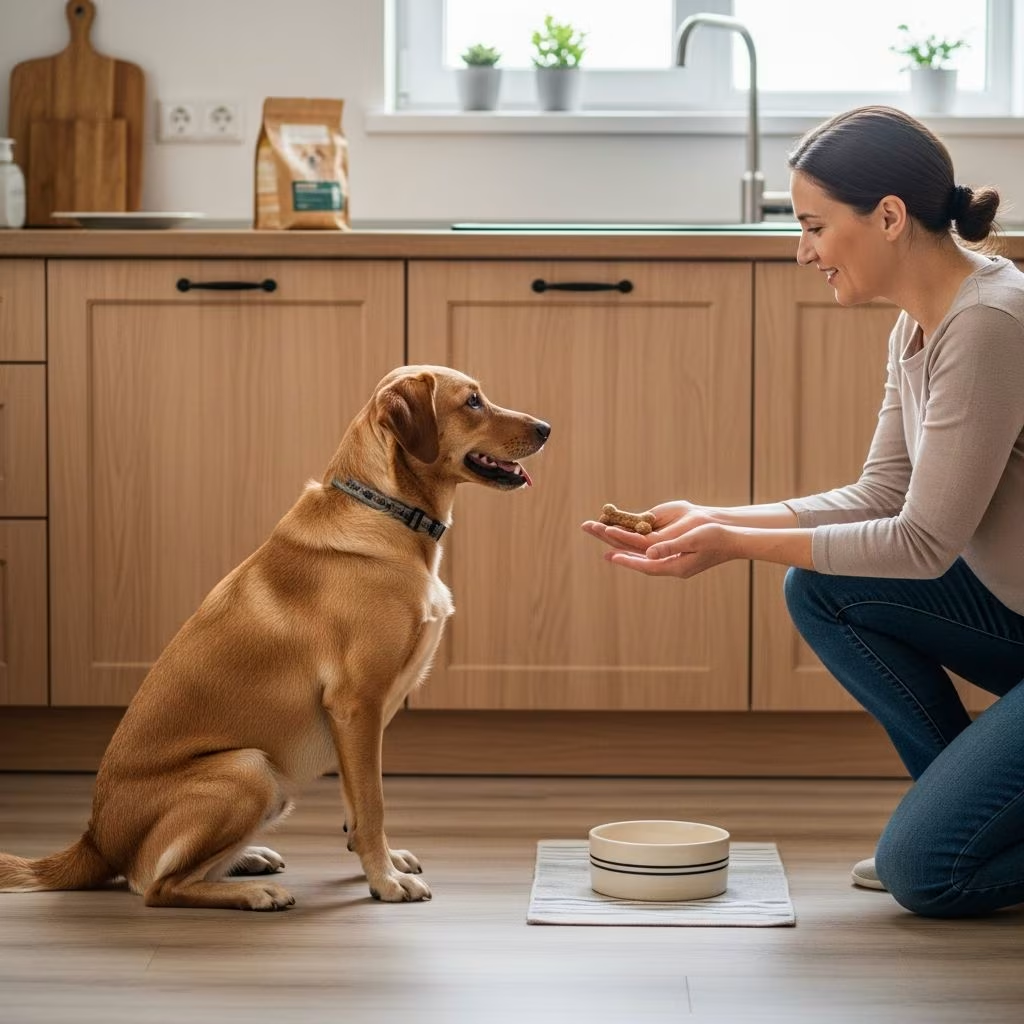
Food aggression, often called resource guarding, can be worrying and even dangerous if it is not addressed early and safely. The good news is that many dogs can learn to feel relaxed and even happy when people approach them at mealtimes, especially when training relies on positive reinforcement instead of punishment.
This guide explains what food aggression is, how to spot early warning signs, practical steps to prevent it in puppies and adult dogs, and when to call in a qualified behavior professional for extra help.
What Is Food Aggression and Resource Guarding?
Food aggression is a form of resource guarding in which a dog reacts defensively when someone comes near their food, treats, or food-related items. Resource guarding can involve many different objects, but food bowls and chews are among the most common triggers.
Common Signs of Food Guarding
Dogs may show a range of subtle to obvious behaviors when feeling threatened around food. Typical warning signs include:
- Stiffening of the body or freezing over the food bowl
- Lowered head hovering over food or leaning over the bowl
- Hard staring or glaring when someone approaches
- Growling, snarling, or showing teeth
- Snapping or lunging if the person does not move away
- Biting in severe cases, especially if the warning signs were ignored
- Frantic or unusually fast eating as someone approaches
Even very mild signs matter. Early intervention is safer and more effective than waiting until the dog feels forced to bite.
Why Dogs Guard Food
From an evolutionary and behavioral perspective, guarding valuable food items is normal animal behavior. However, in a home environment, it can be risky and stressful. Research on dogs and wolves shows that social relationships and feeding contexts influence how tolerant animals are when others come near their food.
Common contributing factors include:
- Early experiences in the litter – puppies that had to compete for scarce food sometimes learn to guard their meals.
- Lack of positive handling around food – dogs never taught that people near their bowl bring “bonus” rewards may feel unsure or threatened.
- History of having food taken away – repeated removal of food, bones, or chews can make a dog defensive.
- Stress, anxiety, or pain – dogs with general anxiety or discomfort may be less tolerant around high-value items.
- Multi-dog households – competition with other dogs can increase guarding of bowls, dropped food, and chews.
Prevention: Teaching Dogs to Feel Happy When You Approach
The core principle of prevention is simple: your approach predicts something better, not something being taken away. When dogs repeatedly experience people adding tasty food to their bowl, they learn to relax instead of guard.
A Step-by-Step Exercise to Prevent Food Bowl Aggression
Use this routine with puppies or adult dogs who do not currently show aggressive behavior at the bowl. If you see any signs of tension or guarding, stop and consult a professional right away.
Start by walking past and tossing treats
While your dog is eating their regular meal, calmly walk by at a comfortable distance and toss a small, high-value treat (such as a tiny piece of cooked chicken) into or near the bowl without stopping. Do this only 1–2 times per meal, and not at every meal, to avoid irritating your dog.Pause briefly near the bowl
Once your dog begins to look up in pleasant anticipation when you approach, you can slowly increase the interaction. Walk toward your dog, pause, toss a treat, and then walk away. Keep your movements calm and predictable.Reach toward the bowl
At the next stage, approach, gently reach one hand toward (but not into) the bowl, toss a treat with the other hand, and walk away. Over time, you may briefly touch the outside of the bowl before tossing the treat, as long as your dog stays relaxed.Pick up and return the bowl with extras
When your dog happily anticipates your hand near the bowl, you can briefly pick it up, add a few extra treats or a small spoonful of something especially tasty, then place the bowl back down and walk away.
Progress through these steps over days to weeks, not in a single session. Watch your dog’s body language closely; relaxed posture, soft eyes, and loose muscles are good signs. If you see freezing, hard staring, or faster eating, you have moved too quickly and must back up to an easier step.
Key Do’s and Don’ts During Prevention Training
| Do | Don’t |
|---|---|
| Use small, high-value treats your dog loves. | Grab the bowl suddenly or tease your dog by pulling food away. |
| Keep sessions short and positive. | Repeat the exercise so often that your dog becomes annoyed. |
| Let your dog eat in peace most of the time. | Allow children to approach or crowd the dog while eating. |
| Increase difficulty only when your dog looks relaxed and happy. | Ignore early warning signs such as stiffening or growling. |
Using Counterconditioning and Desensitization
The method above is a practical example of two powerful behavior tools used by veterinarians and behaviorists: counterconditioning and desensitization.
- Counterconditioning means changing your dog’s emotional response from negative to positive by pairing the scary trigger (a person near the bowl) with something wonderful (treats).
- Desensitization is the gradual, systematic exposure to the trigger at a level your dog can handle, then slowly increasing intensity as they stay relaxed.
When combined carefully, these techniques can reduce or even eliminate food guarding, especially when guided by a qualified professional for moderate to severe cases.
Managing the Environment to Avoid Problems
Training works best when you also manage your dog’s environment so they are not repeatedly pushed into situations that trigger guarding. Management protects everyone’s safety while the dog learns new habits.
Safe Mealtime Management Tips
- Feed dogs separately in multi-dog homes, using baby gates, crates, or different rooms to prevent competition and conflict.
- Keep children away from your dog while they eat, and teach kids never to touch or tease a dog at the food bowl.
- Pick up high-value items like bones or special chews when you cannot supervise.
- Avoid confrontations: do not reach into your dog’s mouth, yank bowls away, or scold them for growling.
- Control dropped food using cues like “leave it” to prevent sudden rushes toward fallen food, especially with multiple dogs.
What If Your Dog Already Shows Food Aggression?
If your dog is already growling, snapping, or biting around food, the priority is safety. Do not attempt complex training protocols on your own if there is a risk of being bitten. Instead, combine basic management with professional guidance.
First Steps for Existing Food Aggression
- Stop punishing your dog. Veterinary behavior experts emphasize that punishment, including yelling or physical corrections, can intensify fear and aggression.
- Prevent triggers by feeding your dog in a quiet, separate room where they will not be disturbed.
- Avoid reaching for the bowl while your dog is eating. Instead, call them away with a cue and toss a treat at a distance if you must move the bowl.
- Contact your veterinarian to rule out pain or medical issues and to get a referral to a certified behaviorist if needed.
Working With a Professional
Board-certified veterinary behaviorists and certified behavior consultants use structured versions of the same counterconditioning and desensitization principles described earlier, but with more precise safety measures and individualized plans.
A professional may help you:
- Identify your dog’s specific triggers and early warning signs.
- Design a step-by-step training plan that stays below your dog’s fear threshold.
- Teach safe handling and management strategies for all family members.
- Decide whether medication or other interventions are appropriate, especially for anxiety or severe aggression.
Special Considerations in Multi-Dog Households
Food aggression can be more complex when multiple dogs live together, because competition increases the perceived value of food and can spark conflicts.
Reducing Tension Between Dogs
- Feed each dog separately, with doors, crates, or gates preventing physical access to one another during meals.
- Use individual bowls and keep them spaced apart, even if dogs appear friendly with each other.
- Pick up empty bowls immediately after eating to prevent guarding of the feeding area.
- Store food and treats securely so dogs cannot access and guard them unsupervised.
- Teach cues such as “leave it” and “wait” to control movement toward food and dropped items.
Helping Your Dog Build Lifelong Good Habits
Preventing food aggression is not a one-time project; it is an ongoing habit of combining good management with reward-based training. Over your dog’s lifetime, maintain predictable, low-stress mealtime routines and occasionally refresh the “approach means bonus treats” lesson.
Simple Habits That Support Long-Term Success
- Occasionally walk by and drop a small treat in the bowl while your dog eats, as long as they remain relaxed.
- Continue feeding dogs separately in busy or high-stress situations (holidays, visitors, moves).
- Supervise children closely and maintain clear rules about giving dogs space at mealtime.
- Seek professional support early if you notice any new guarding behaviors.
Frequently Asked Questions (FAQs)
Q: Is some growling over food normal, or is it always a problem?
Growling is a normal canine warning signal, but it tells you your dog is uncomfortable. While many dogs never escalate beyond a growl, it is safest to take it seriously, manage the situation, and consult a trainer or behaviorist before the behavior worsens.
Q: Should I take my dog’s food away to show them who’s in charge?
No. Regularly removing food or confronting a dog at the bowl can increase fear and guarding. Evidence-based approaches emphasize teaching dogs that people near food make good things happen, not that food disappears.
Q: Can food aggression be cured, or only managed?
Many dogs improve dramatically with consistent counterconditioning, desensitization, and careful management, especially when the problem is caught early. Some severe cases may always require extra precautions, but most can be made much safer and less stressful with professional help.
Q: Is it safe for children to help with training?
Children should not be involved in hands-on training for food aggression. Adults should do the exercises while children learn rules about giving dogs space during meals. A professional can advise on age-appropriate ways for kids to interact safely.
Q: How long does it take to prevent or reduce food aggression?
Timelines vary. Some puppies build positive associations in just a few days, while adult dogs with an established guarding history may need weeks to months of structured work. Consistency, safety, and going at the dog’s pace are key.
References
- How to Address Food Aggression in Dogs — Hill’s Pet Nutrition. 2022-05-10. https://www.hillspet.com/dog-care/behavior-appearance/food-aggression-in-dogs
- How to Get Your Dog to Stop Resource Guarding Their Stuff — Kinship / Karen B. London, PhD. 2021-06-15. https://www.kinship.com/dog-behavior/resource-guarding-dogs-solving-troubling-problem
- How to Stop Food Aggression and Resource Guarding in Dogs — Best Friends Animal Society. 2020-08-01. https://bestfriends.org/pet-care-resources/how-stop-food-aggression-and-resource-guarding-dogs
- An Easy Way to Prevent Food Aggression in Dogs — Psychology Today / Stanley Coren, PhD. 2014-11-03. https://www.psychologytoday.com/us/blog/canine-corner/201411/easy-way-prevent-food-aggression-in-dogs
- The influence of social relationship on food tolerance in wolves and dogs — Range F. et al., PLoS ONE. 2017-08-02. https://pmc.ncbi.nlm.nih.gov/articles/PMC5493712/
- Helping Your Dog Thrive: Food-Related Aggression — American College of Veterinary Behaviorists (overview via clinician resources). 2021-09-01. https://www.dacvb.org/page/OwnerResources



